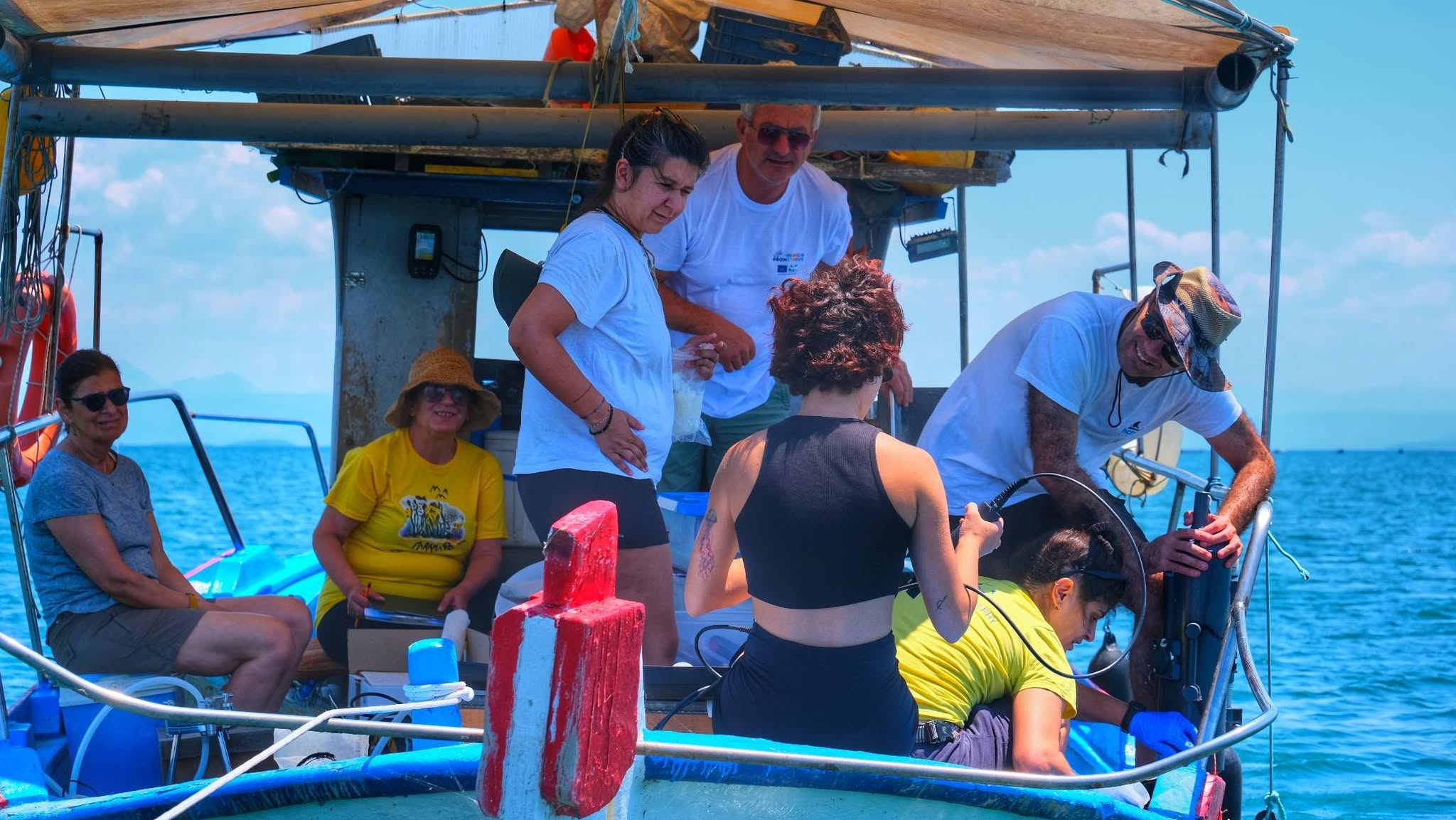
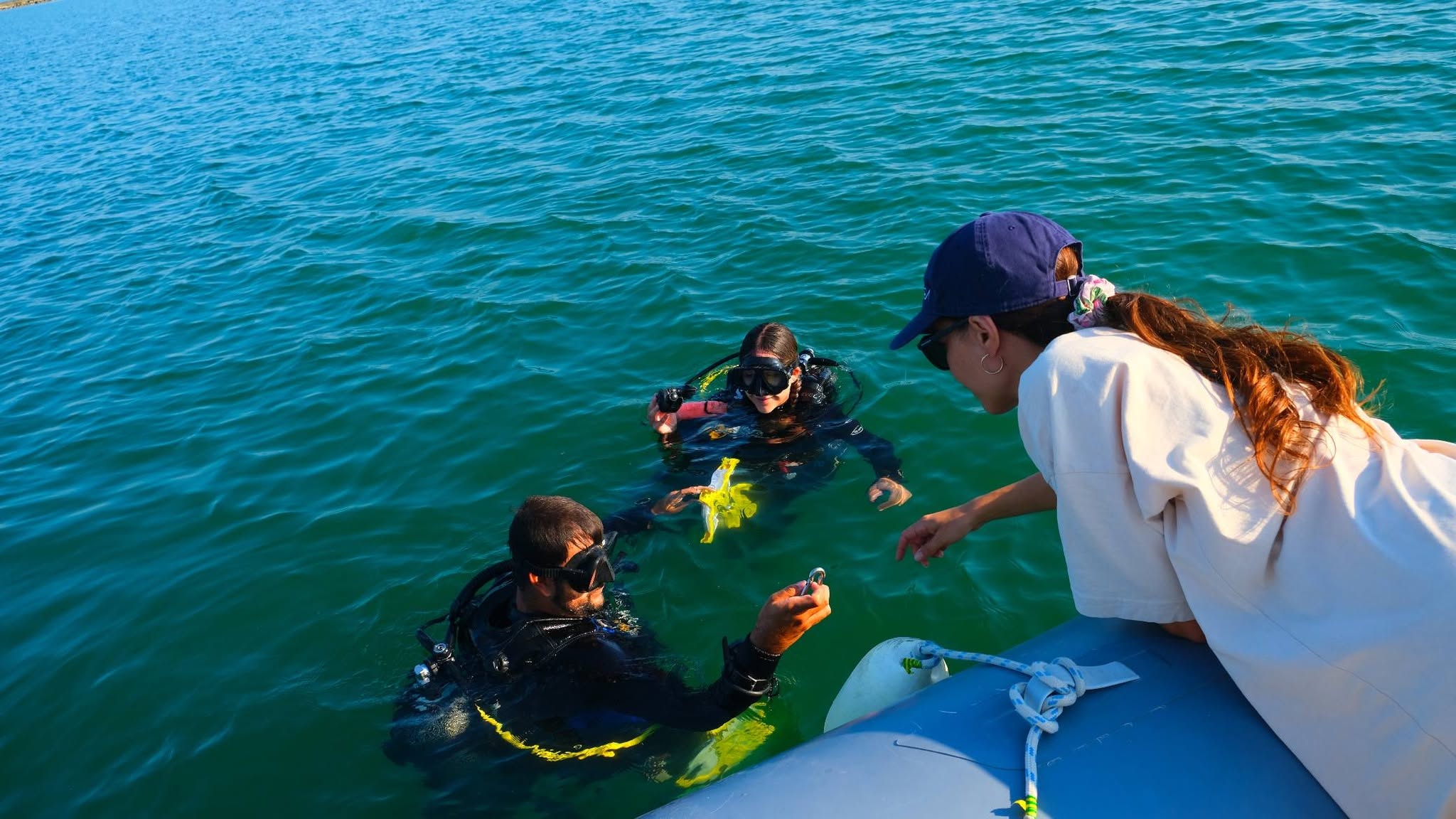
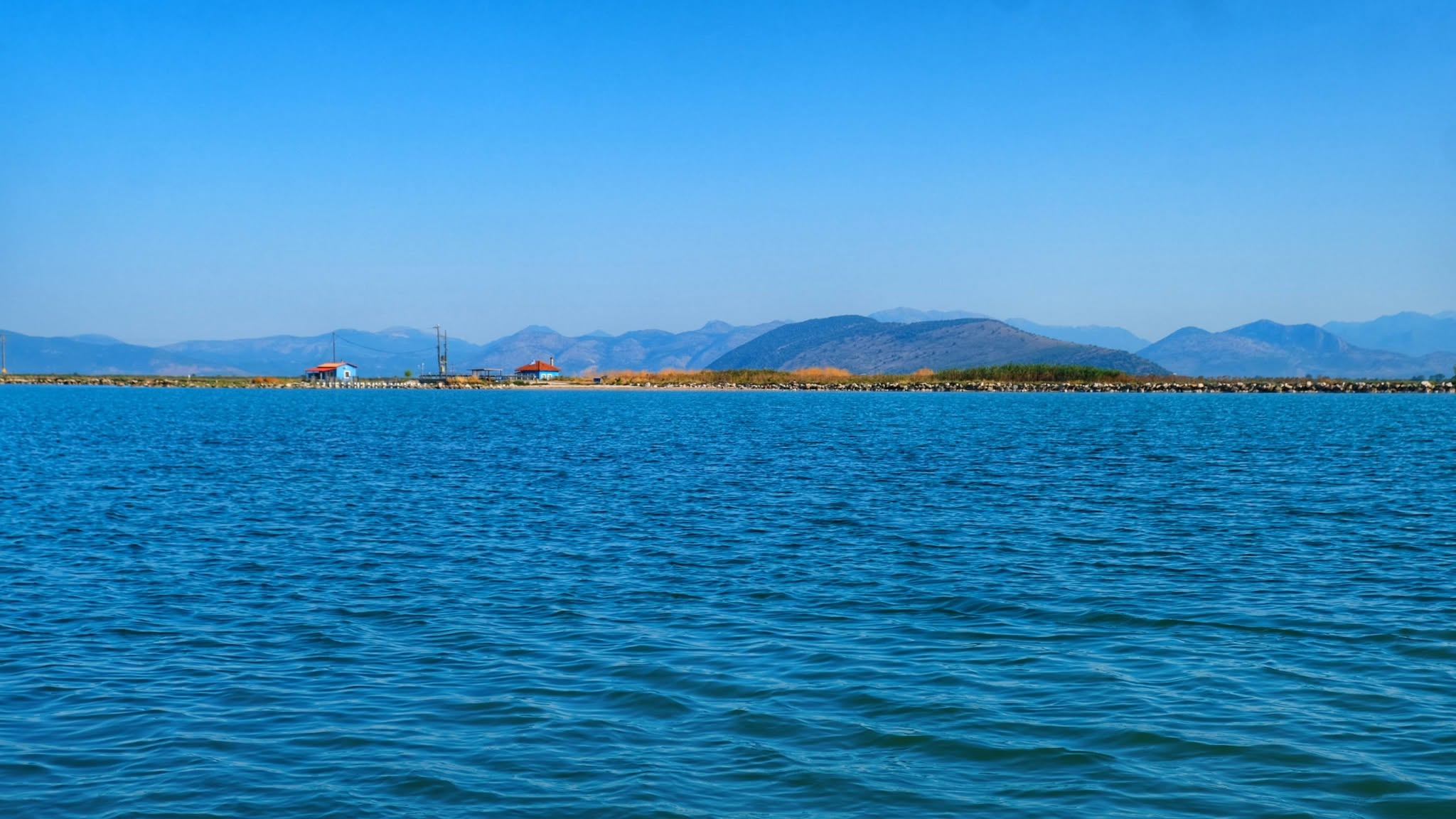
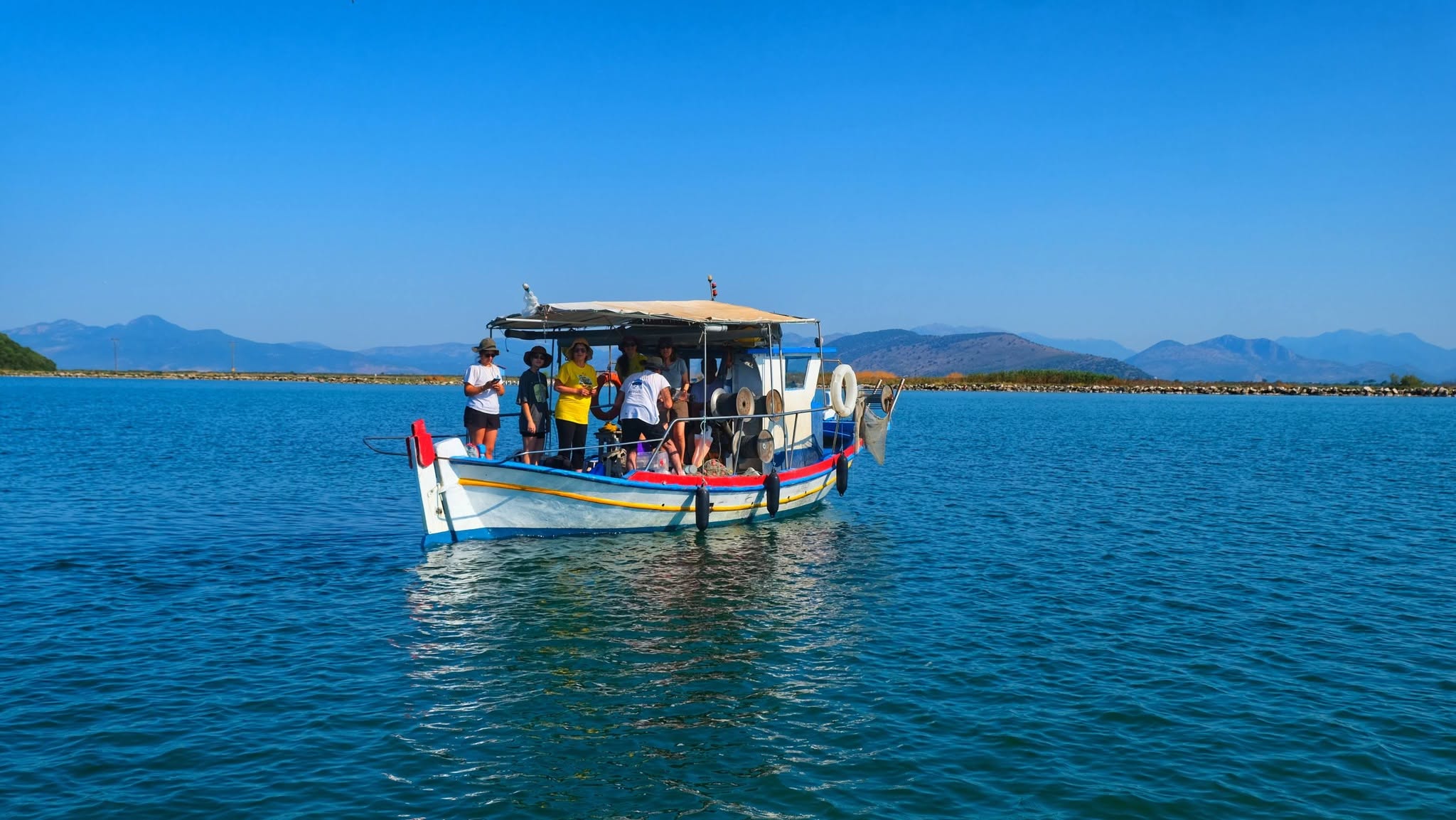
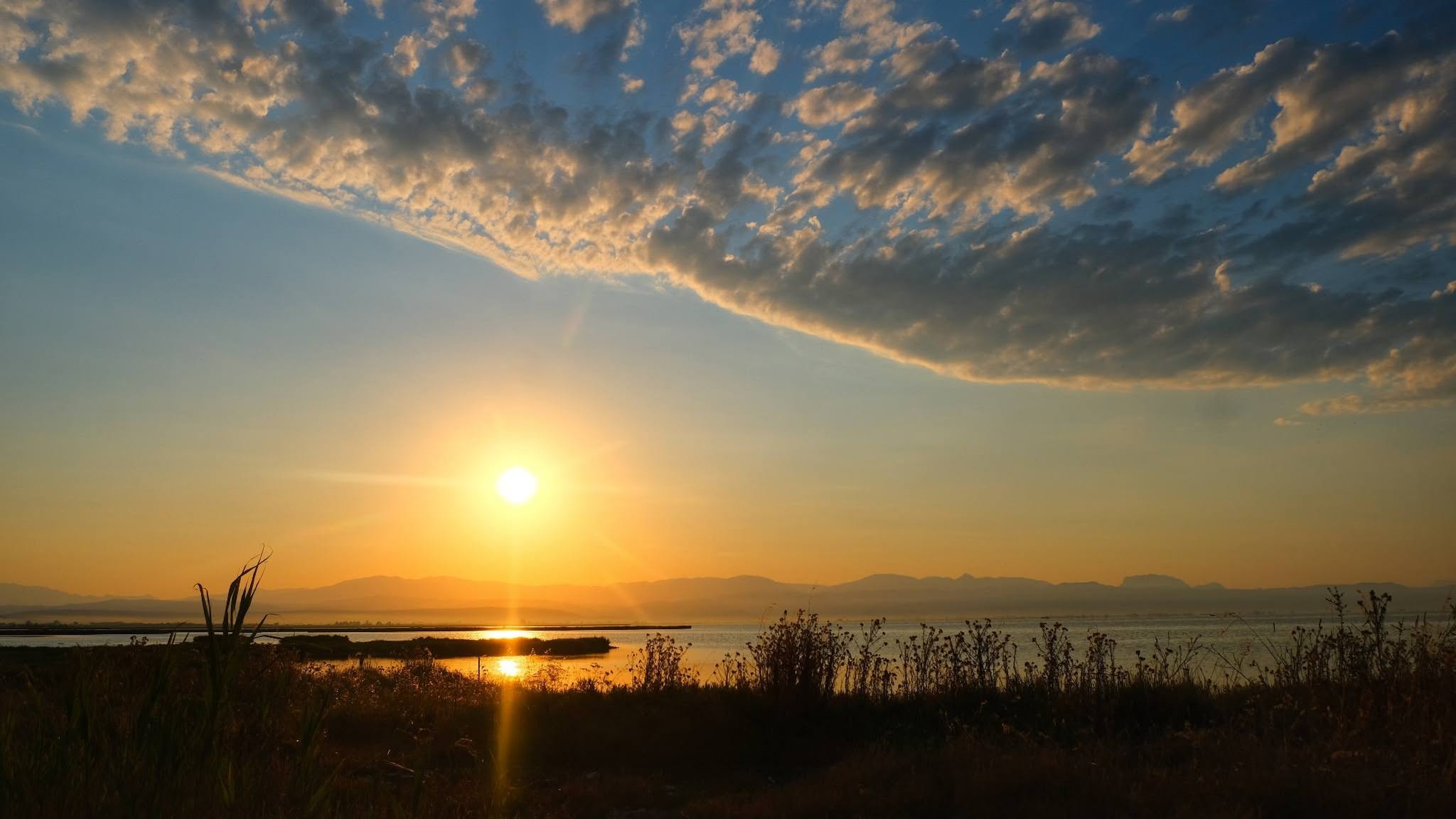
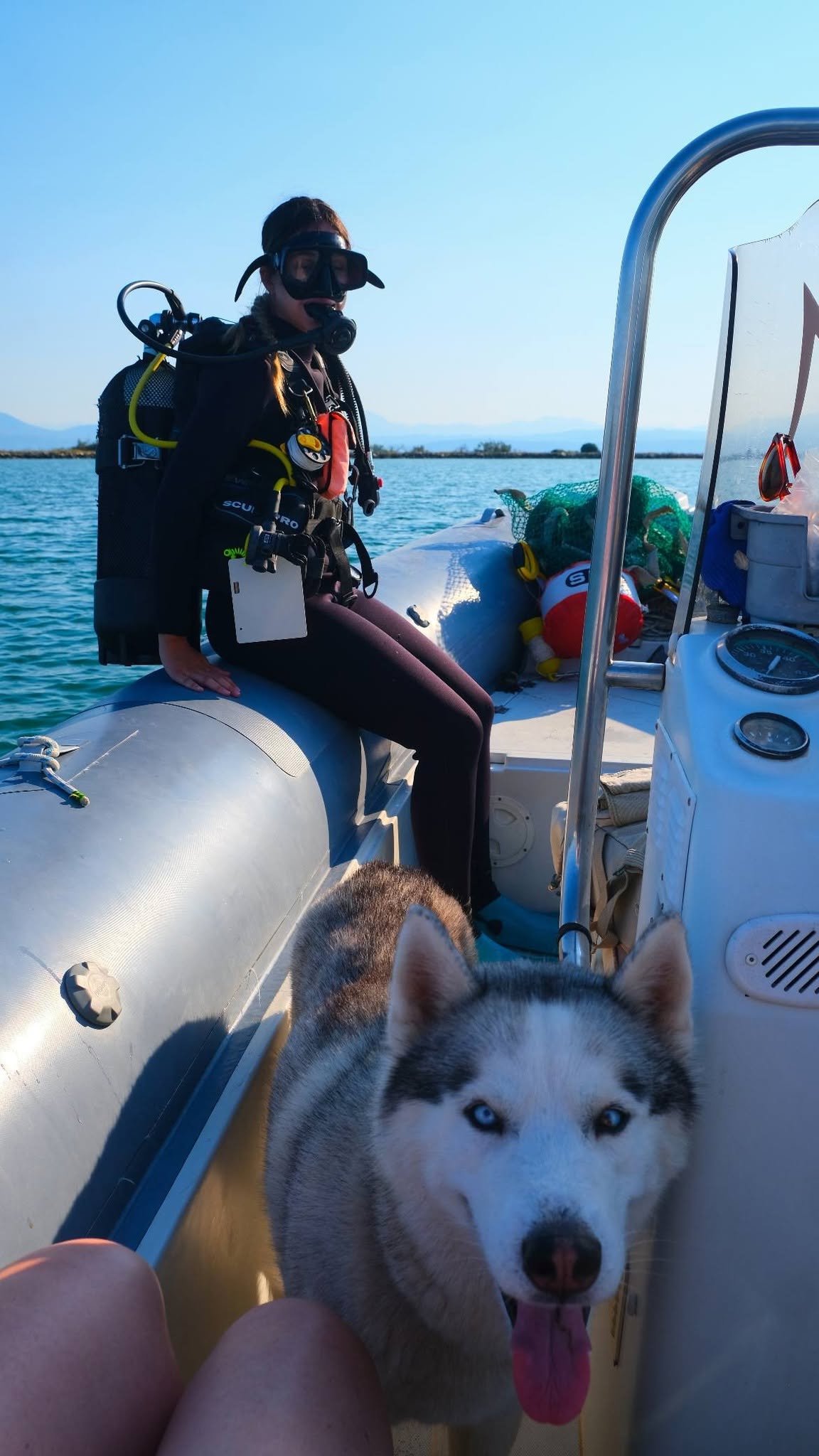
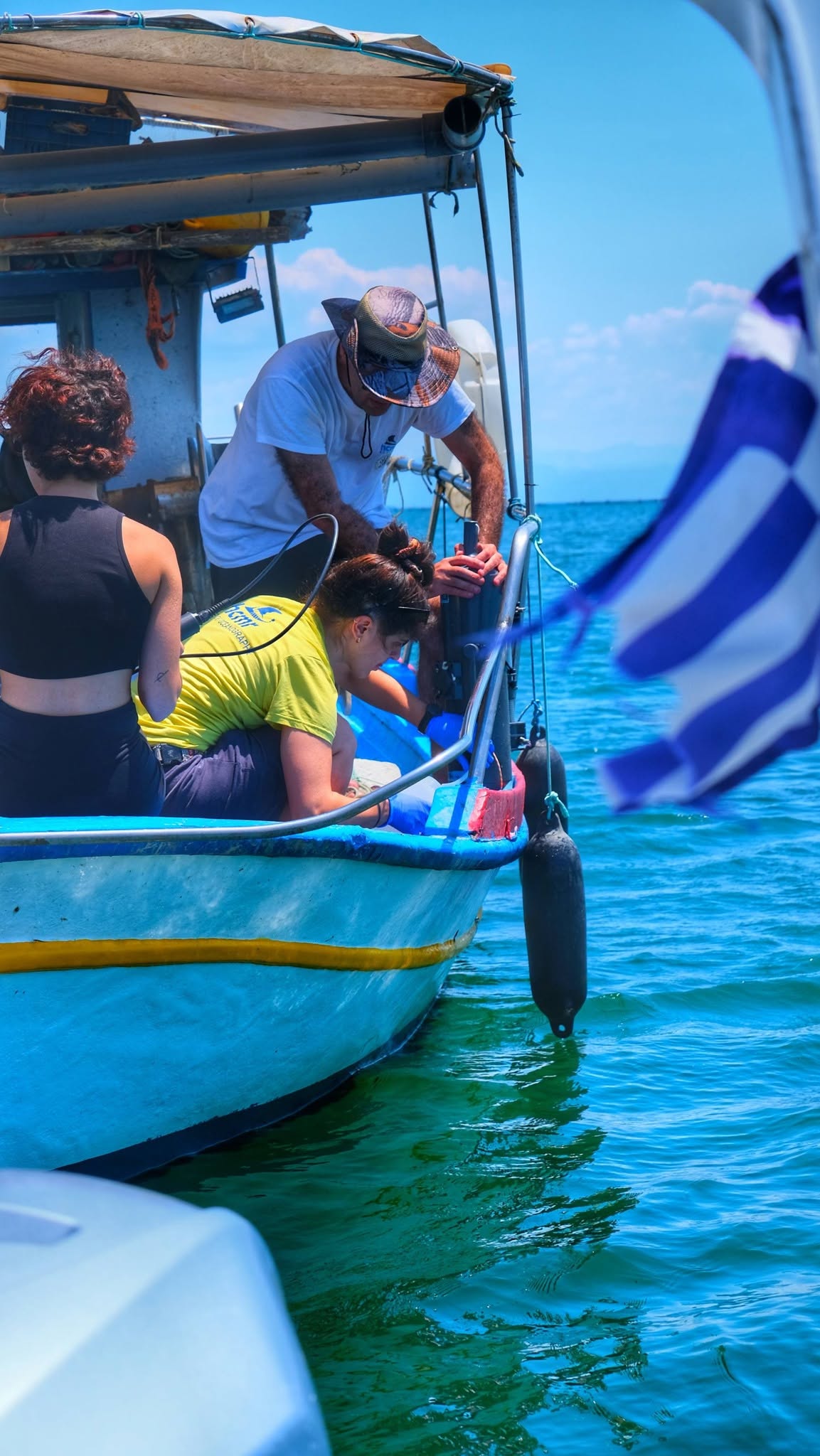
From 7 to 9 July 2026, within the framework of the Interreg Euro-MED MIRAMAR project, HCMR and MIO-ECSDE successfully carried out a three-day sampling campaign in the Amvrakikos Gulf, one of Greece’s most ecologically important coastal ecosystems.
The campaign focused on assessing the cumulative effects of multiple environmental stressors on seagrass meadows, among the Mediterranean’s most valuable marine habitats. Seagrass ecosystems play a vital role in supporting biodiversity, storing blue carbon, protecting coastlines, and sustaining fisheries. Yet they are increasingly threatened by interacting pressures, including chemical and plastic pollution, underwater noise, invasive species, and the impacts of climate change.
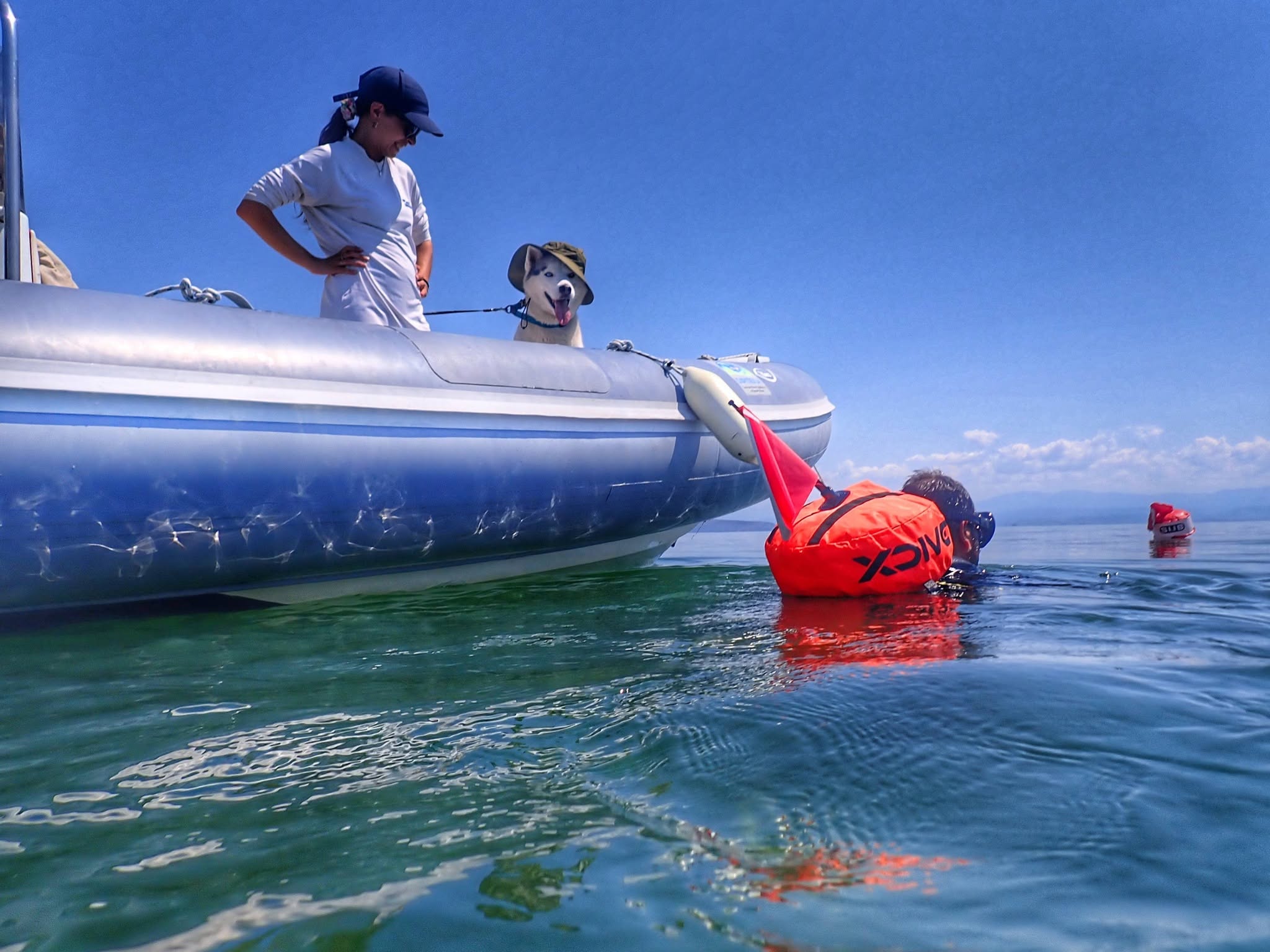
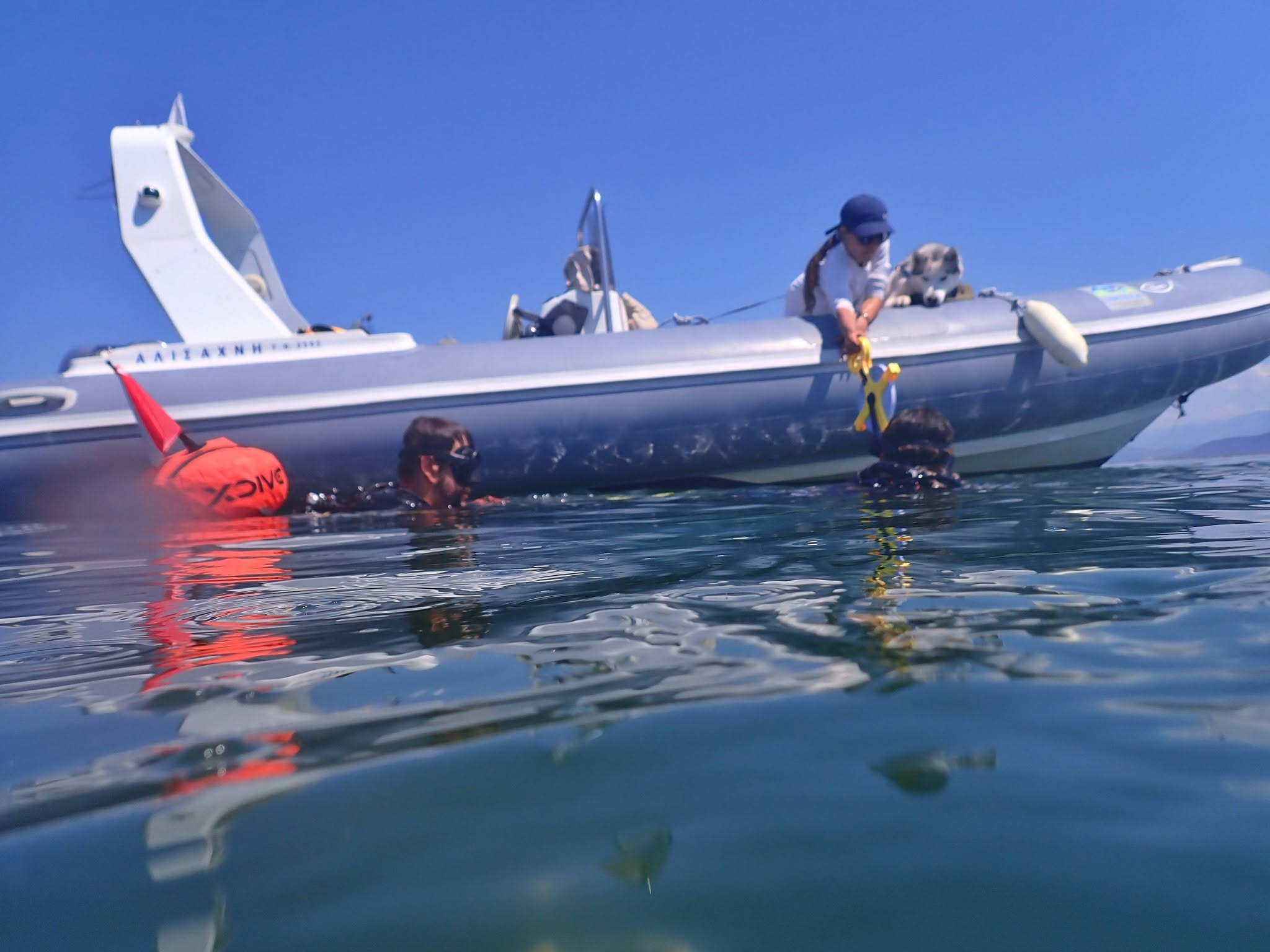
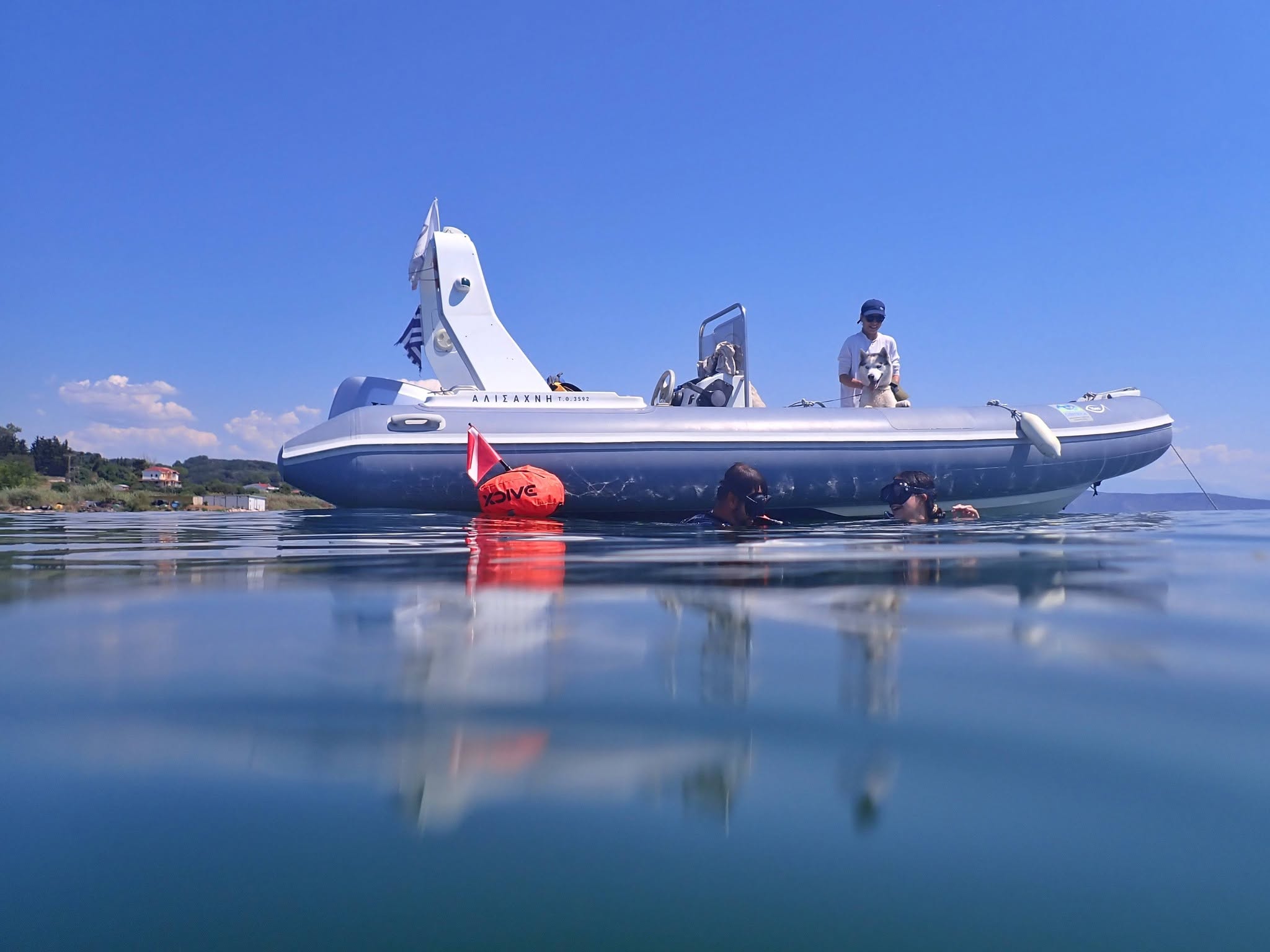
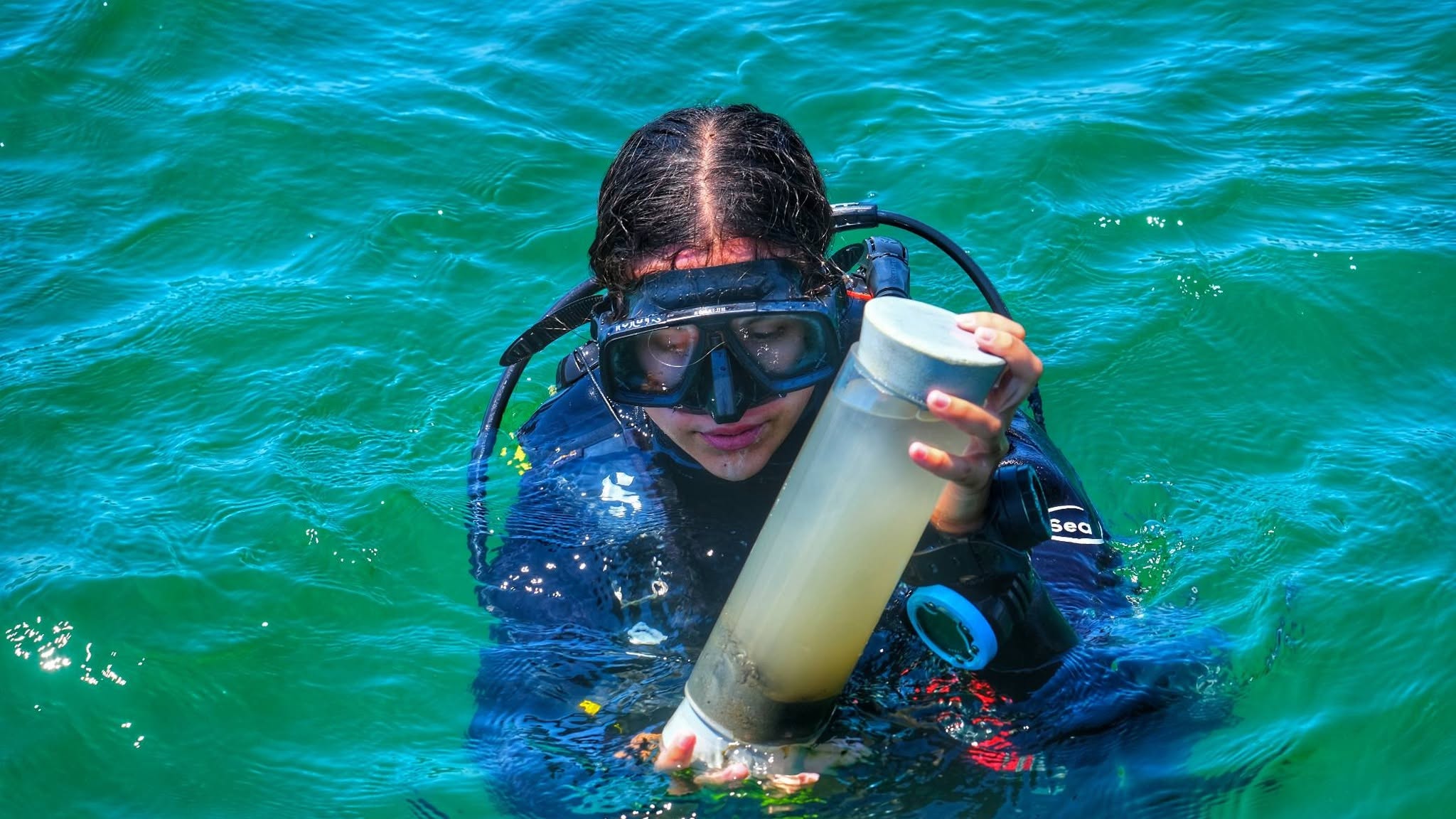
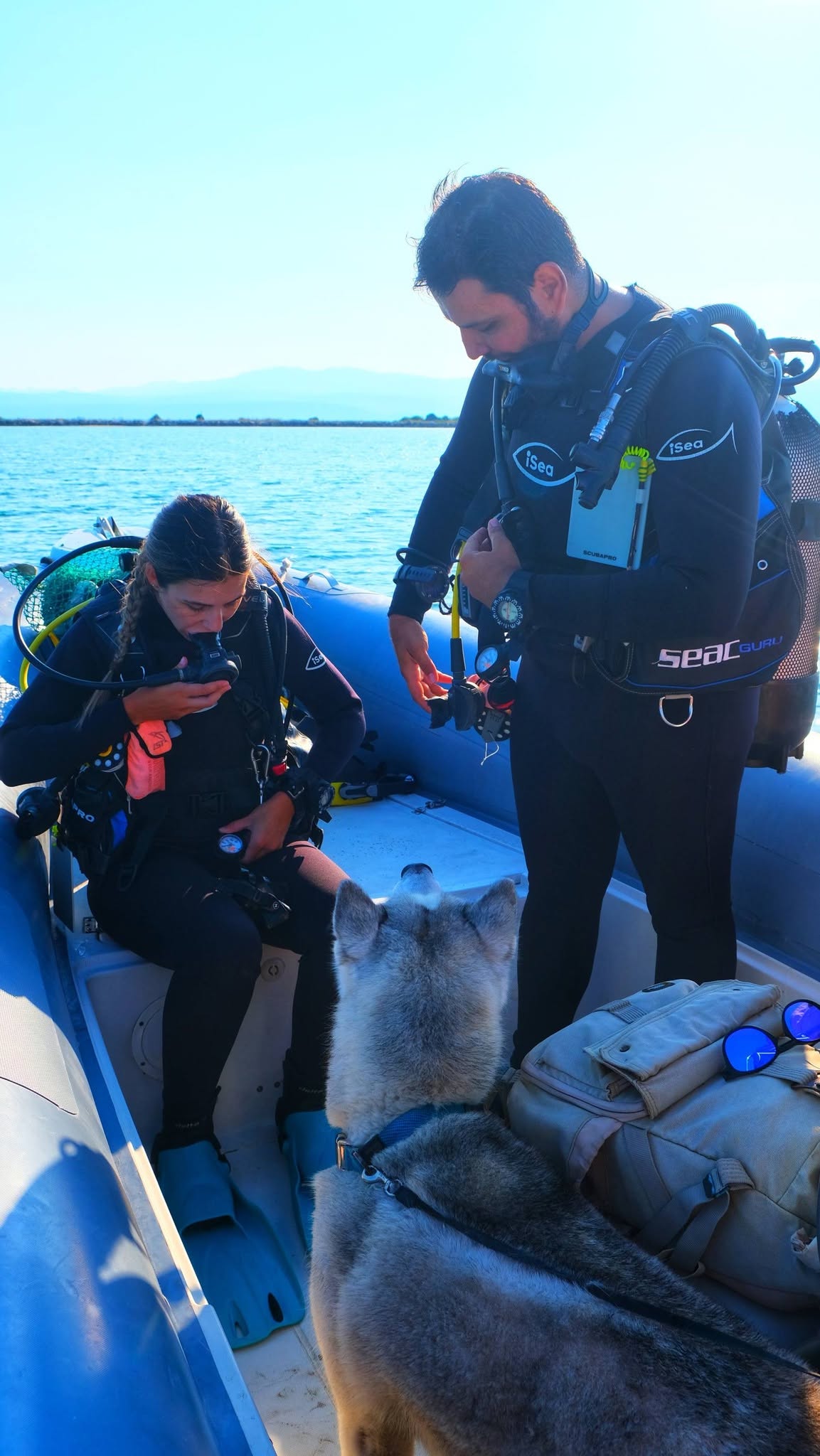
During the field mission, researchers collected water, sediment, and biota (seagrass, fish) samples to investigate how these stressors jointly affect the health and resilience of seagrass meadows. The samples will be analysed for legacy contaminants (heavy metals, polycyclic aromatic hydrocarbons, and organochlorines), emerging contaminants (PFAS, pesticides, and pharmaceuticals), as well as macrolitter and microlitter.
The data collected will contribute to MIRAMAR’s objective of developing a harmonised, cross-border monitoring framework capable of assessing the combined impacts of multiple environmental pressures on Mediterranean marine and coastal ecosystems. By moving beyond the traditional single-stressor approach, the project aims to generate integrated scientific evidence that better reflects the complex reality of ecosystem degradation.
Across nine pilot areas in six Mediterranean countries, MIRAMAR is testing innovative monitoring and assessment methods to improve the understanding of cumulative impacts and support ecosystem restoration and climate-resilient management. The project’s outputs will include harmonised monitoring protocols, practical toolkits, operational roadmaps, and good practice examples to support environmental authorities and practitioners throughout the Mediterranean.
Beyond scientific monitoring, MIRAMAR promotes stakeholder engagement and cross-border collaboration through living labs and co-creation processes, which will begin in October 2026. These activities, led by MIO-ECSDE, will ensure that the project’s solutions are grounded in local needs while remaining transferable across different governance contexts.
Read this in French here