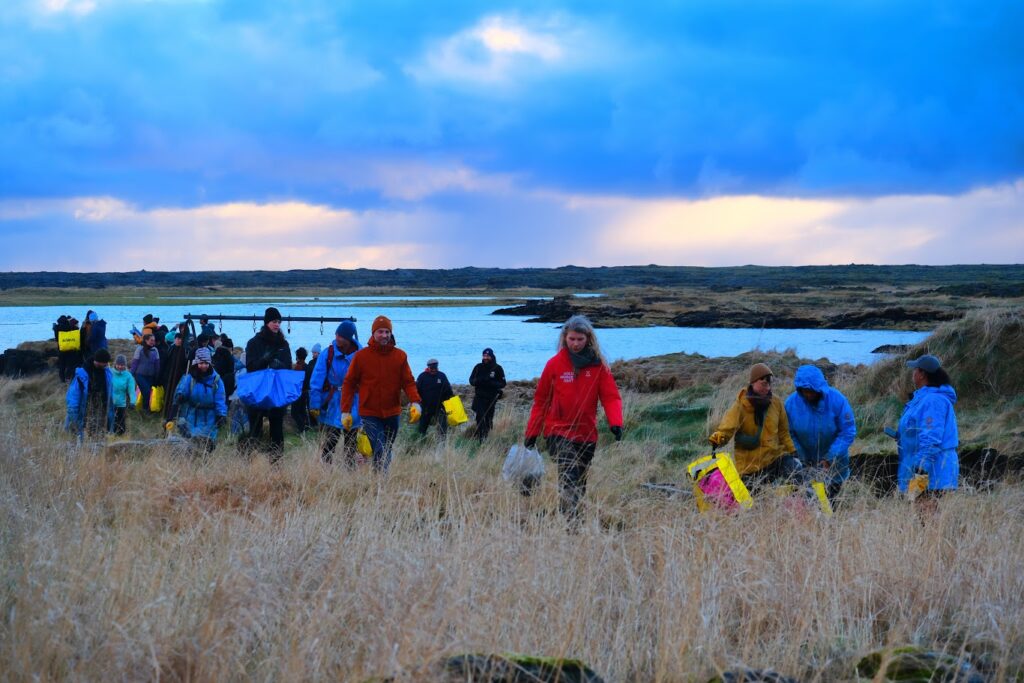
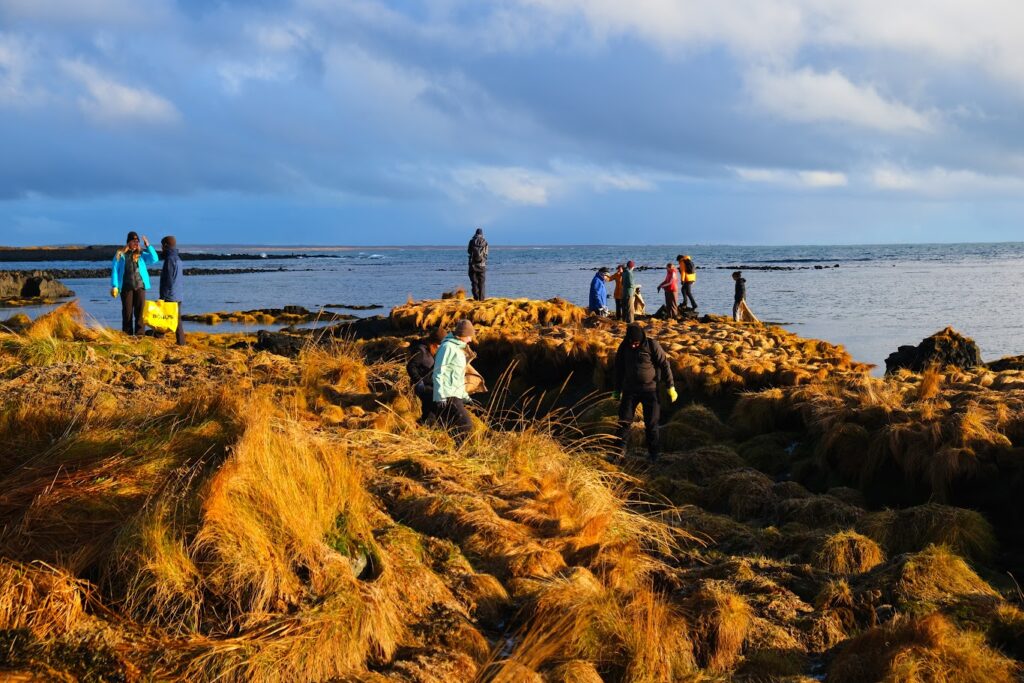
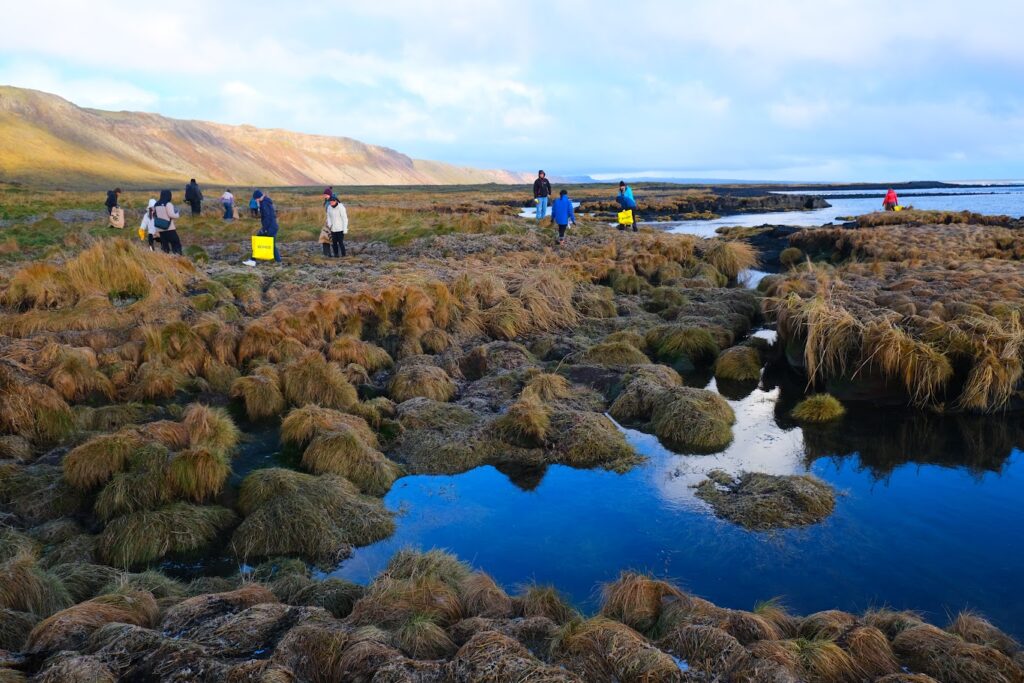
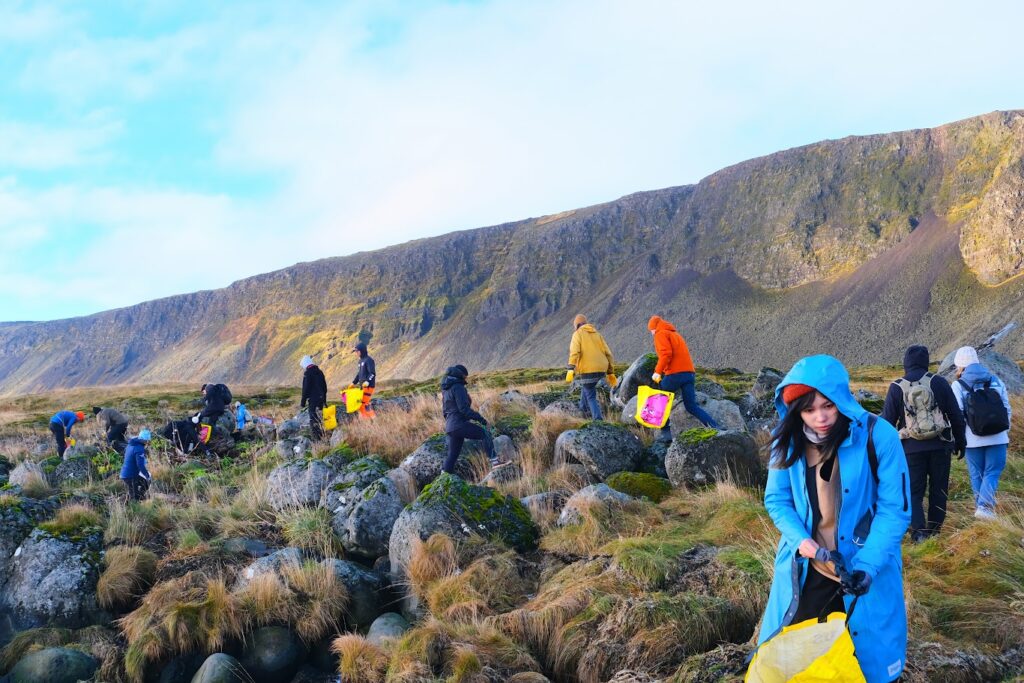
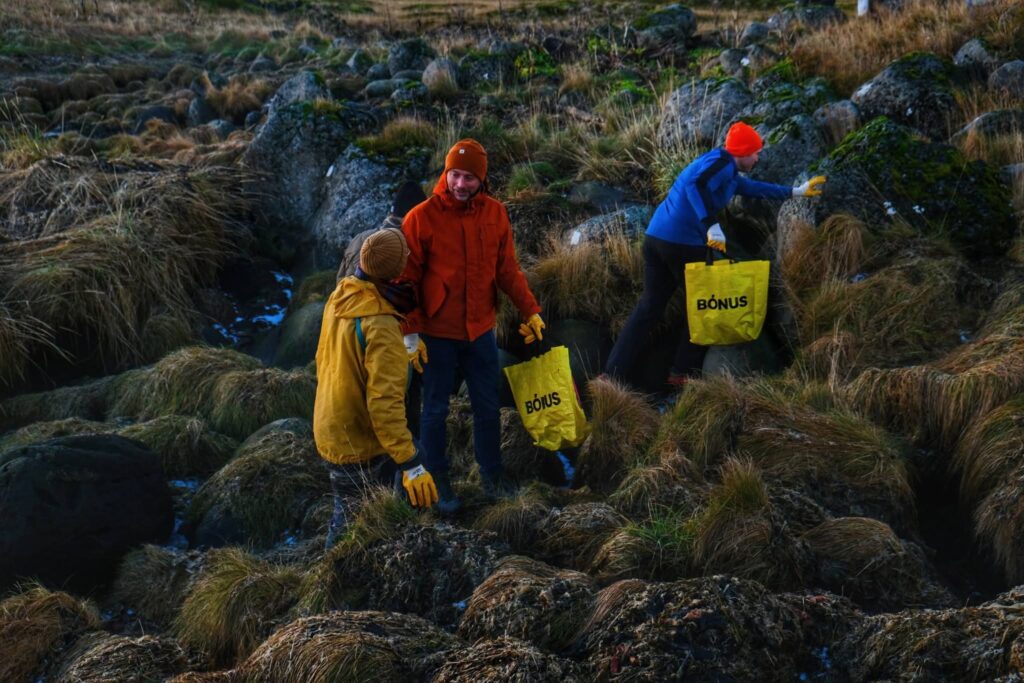
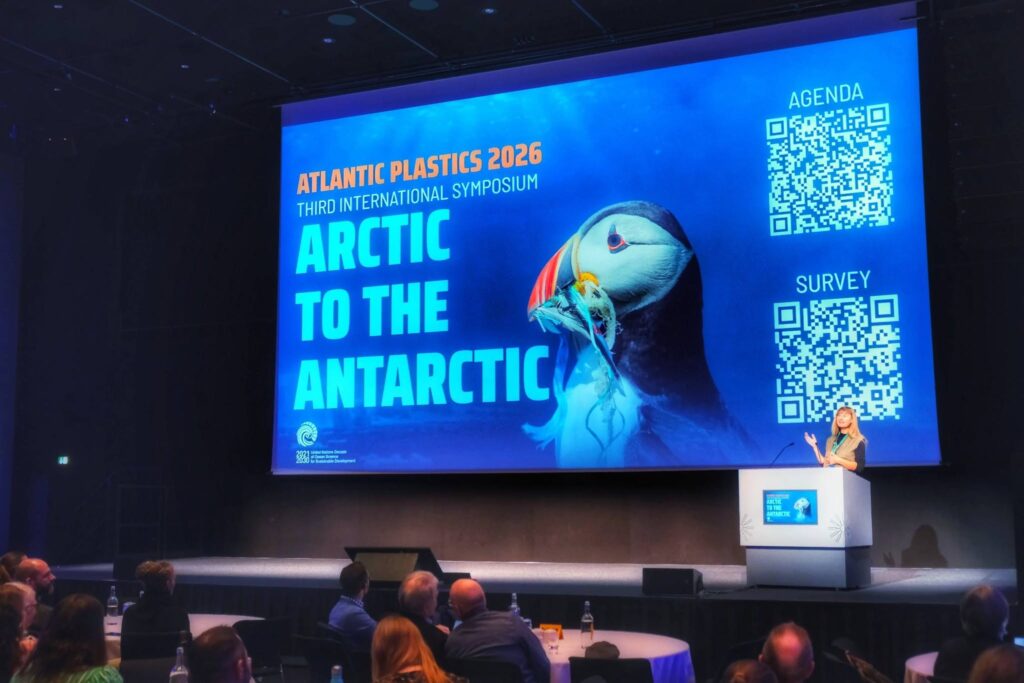
MIO-ECSDE participated in the Third International Symposium on Marine Plastic Pollution – From the Arctic to the Antarctic, held on 20–22 October 2026 in Reykjavík, Iceland. Officially opened by Mr. Jóhann Páll Jóhannsson, Iceland’s Minister of the Environment, Energy and Climate, the event brought together 115 speakers and presenters from 31 countries and attracted more than 200 participants, providing an important platform for exchanging scientific knowledge, exploring solutions and strengthening international cooperation to tackle plastic pollution.
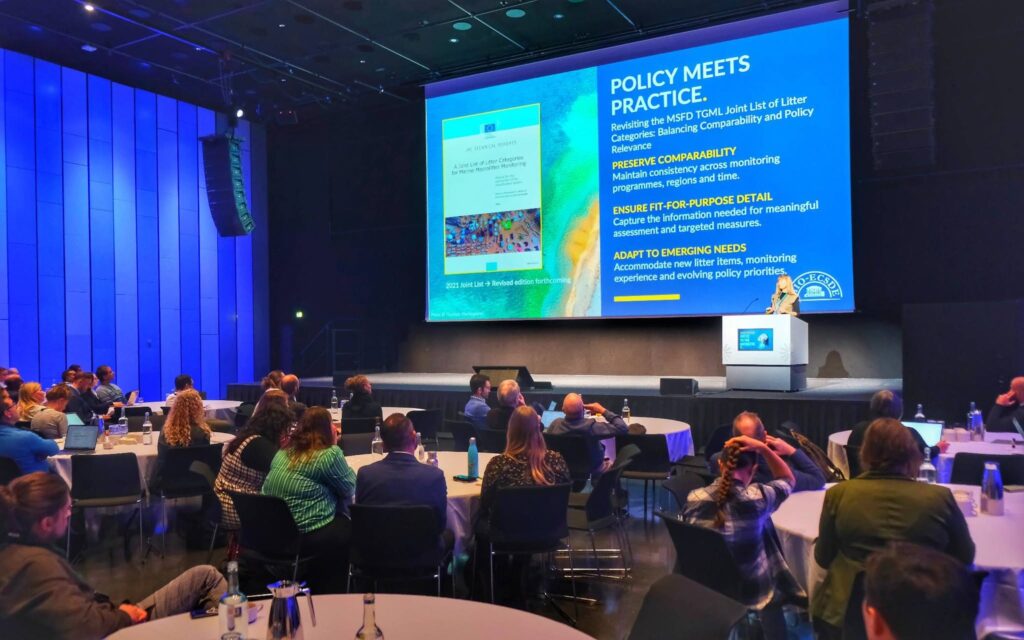
Dr Thomais Vlachogianni, MIO-ECSDE’s Head of Science, Research and Policy, delivered a keynote address under the theme “Innovative plastic pollution monitoring and assessment across multi-scales”, entitled “Making Plastic Pollution Monitoring Count: Bridging Scientific Innovation, Environmental Assessment and Policy.” Drawing on her extensive Euro-Mediterranean experience in marine litter monitoring, assessment, prevention and mitigation, she addressed a fundamental question: How can increasingly sophisticated scientific observations be translated into meaningful environmental assessments and, ultimately, more effective action?
While scientific research and technological innovation have dramatically expanded our ability to detect and characterise plastic pollution across environmental compartments and geographical scales, fragmented datasets, methodological inconsistencies and uneven monitoring coverage continue to limit the practical use of this growing body of evidence. The keynote emphasised the need to move beyond simply generating more data towards producing reliable, comparable and fit-for-purpose evidence that can support environmental assessments, identify pollution sources, evaluate risks and inform effective policy responses. Conventional field surveys, emerging monitoring technologies and participatory science all have complementary roles to play in achieving this.
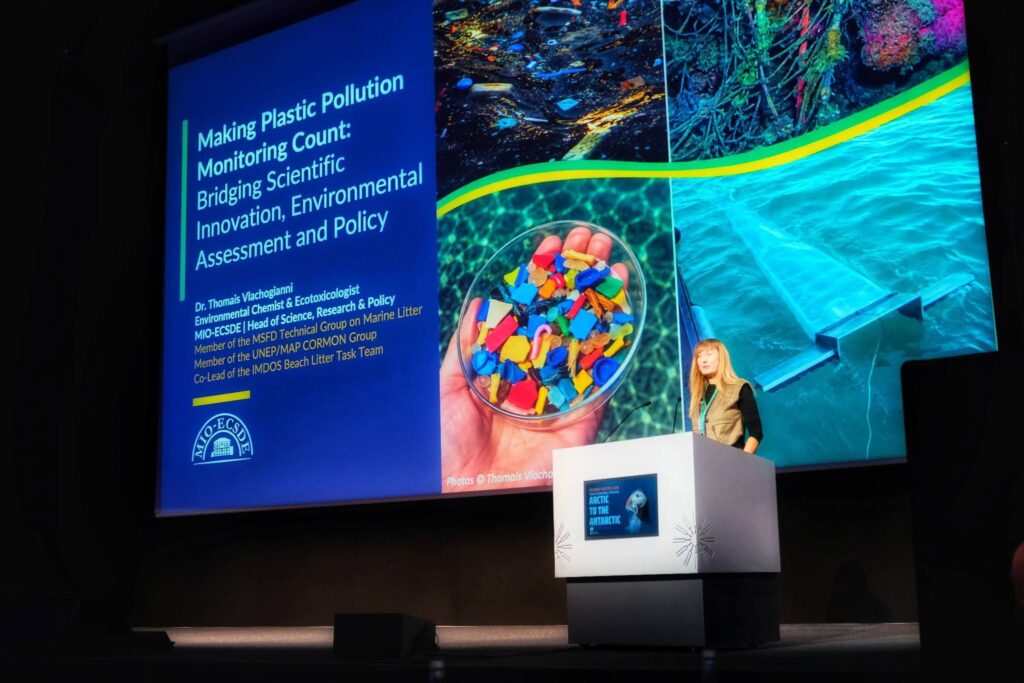
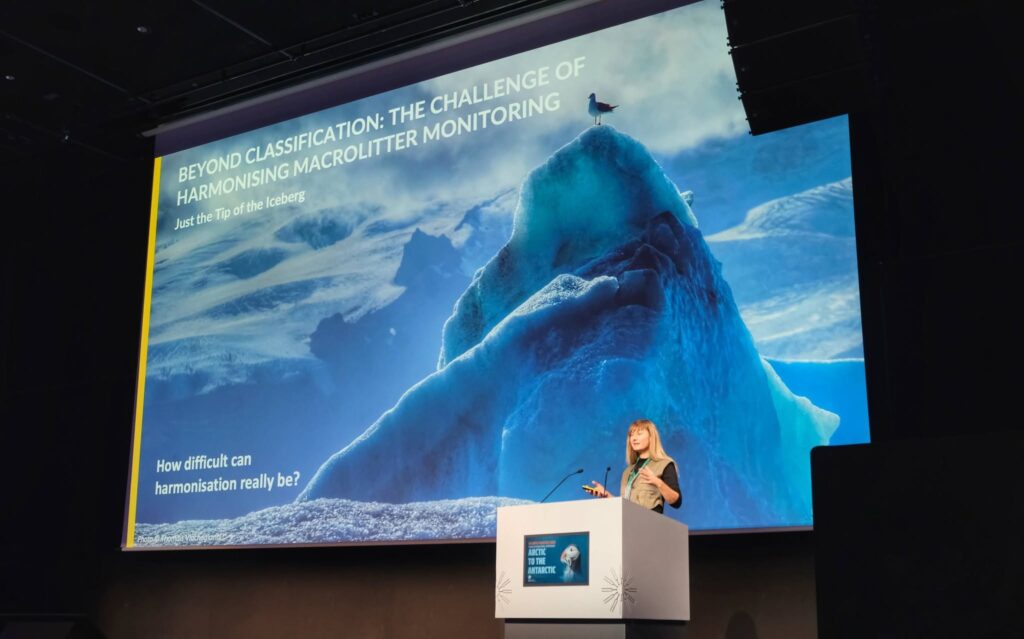
A central focus of the keynote was the harmonisation of marine litter monitoring, highlighting that comparability goes far beyond common litter classification systems to encompass sampling methodologies, detection limits, data quality and reporting practices. Drawing on concrete examples from European Regional Seas, Ms Vlachogianni illustrated how the level of detail captured through monitoring can make a crucial difference in identifying pollution sources and designing targeted prevention measures. She also stressed the importance of translating monitoring observations into meaningful environmental indicators and assessments that can track environmental trends and evaluate the effectiveness of interventions.
Particular attention was also given to participatory science, reflecting MIO-ECSDE’s longstanding commitment to engaging citizens and local communities in environmental protection. Beyond expanding monitoring coverage and integrating valuable local knowledge, participatory approaches can strengthen public awareness, foster ownership of environmental solutions and enable more meaningful community involvement in environmental decision-making.
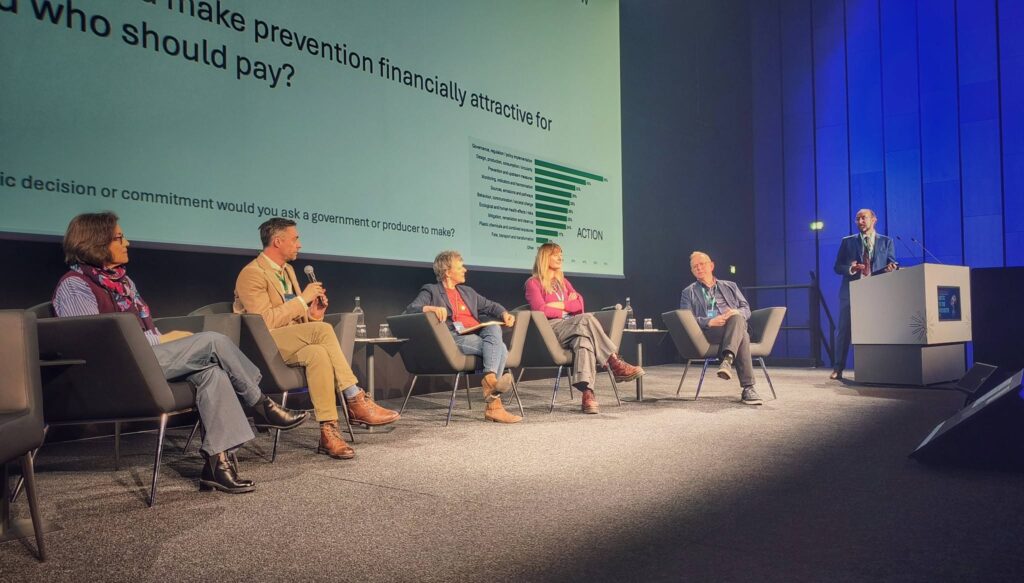
MIO-ECSDE also contributed to the symposium’s closing panel discussion, “From Knowledge to Action”, which reflected on the key messages emerging from the three-day event and explored priorities for future research, policy and action. The discussion highlighted the importance of prevention at source, stronger governance, shared responsibility and sustained international cooperation in addressing plastic pollution.
The symposium was hosted by the Government of Iceland and co-organised by the Icelandic Arctic Cooperation Network, the Protection of the Arctic Marine Environment (PAME) Working Group, UNESCO’s Intergovernmental Oceanographic Commission (IOC), the International Council for the Exploration of the Sea (ICES), and other partner organisations.
Read more about the symposium discussions and key takeaways here