After four years of research, testing, stakeholder engagement and collaboration across Europe, the FOLOU project is reaching the end of its journey, leaving behind a substantial body of knowledge, practical tools and policy recommendations to help prevent and reduce food losses in primary production.
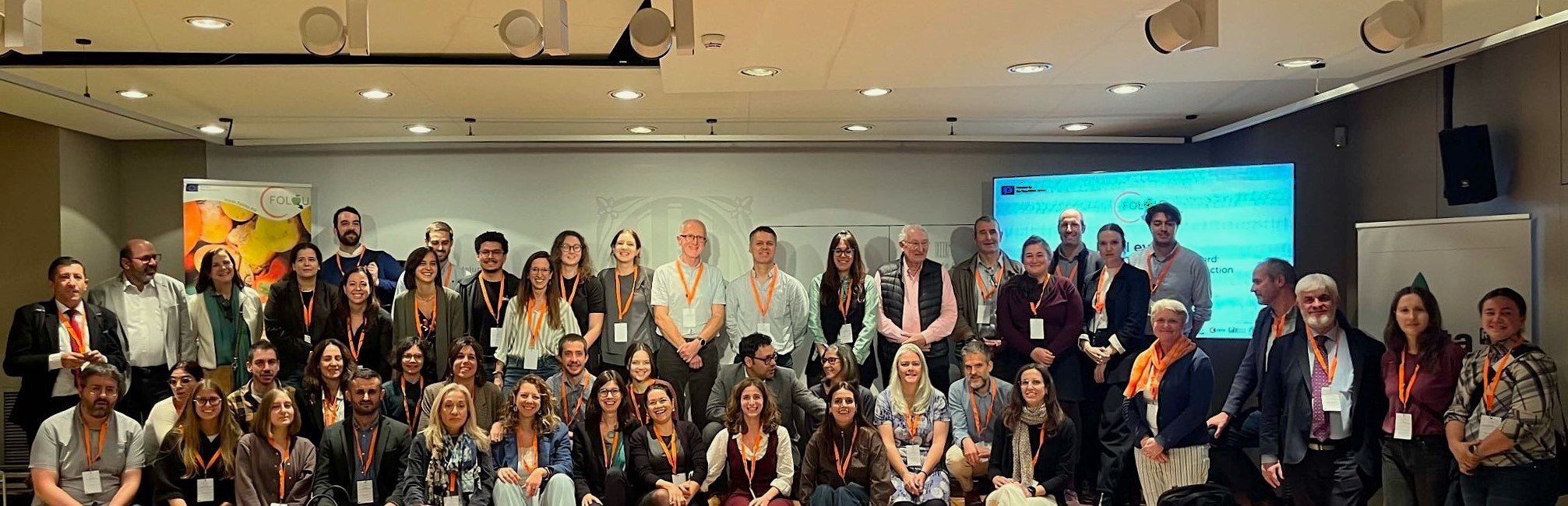
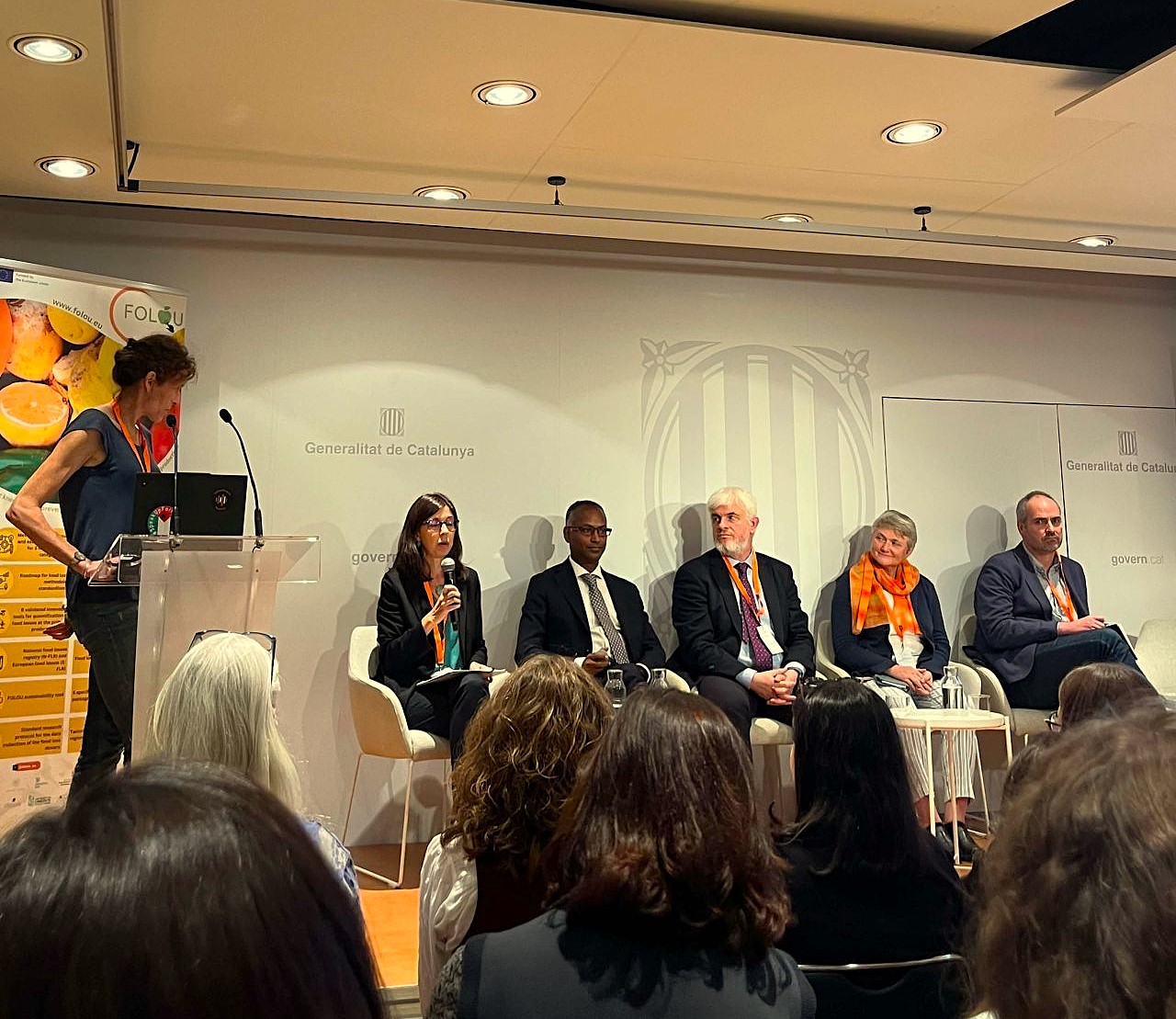
The project’s closing activities brought partners and stakeholders together in Barcelona on 30 October 2026 in the public final event, “Lessons Learnt and the Way Forward: Tackling Food Losses in Primary Production,” held at Palau Robert in Barcelona, Spain.
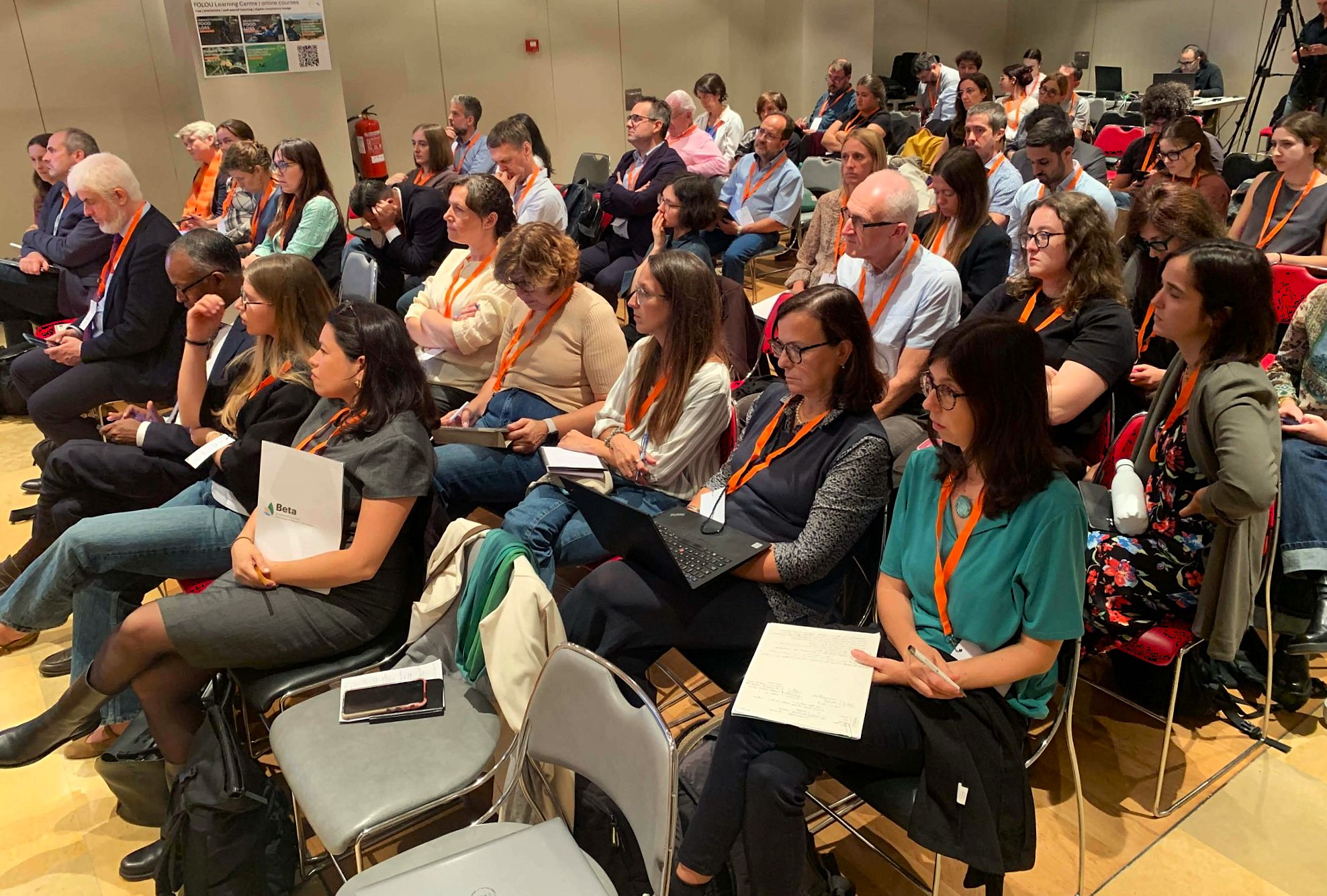
Researchers, policymakers, farmers, industry representatives, project partners and other stakeholders came together to take stock of FOLOU’s achievements and, above all, to look ahead at what is still needed to make food-loss prevention a more prominent part of sustainable food-system policy and practice.
Food losses occurring before products reach the market remain one of the less visible parts of the food-loss and waste challenge. They can result from a wide range of factors, environmental conditions, production practices, market requirements, labour and infrastructure constraints, as well as economic and policy conditions.
FOLOU was launched in 2023 to help close critical knowledge and data gaps at this primary-production stage. Bringing together 16 multidisciplinary partners, the project has worked around four main levers of change: understanding why and where food losses occur; measuring them through harmonised methodologies and innovative tools; training stakeholders; and supporting the adoption of solutions and policy approaches.
During the Barcelona final event, partners presented their results. But the discussions went well beyond a presentation of project outputs.
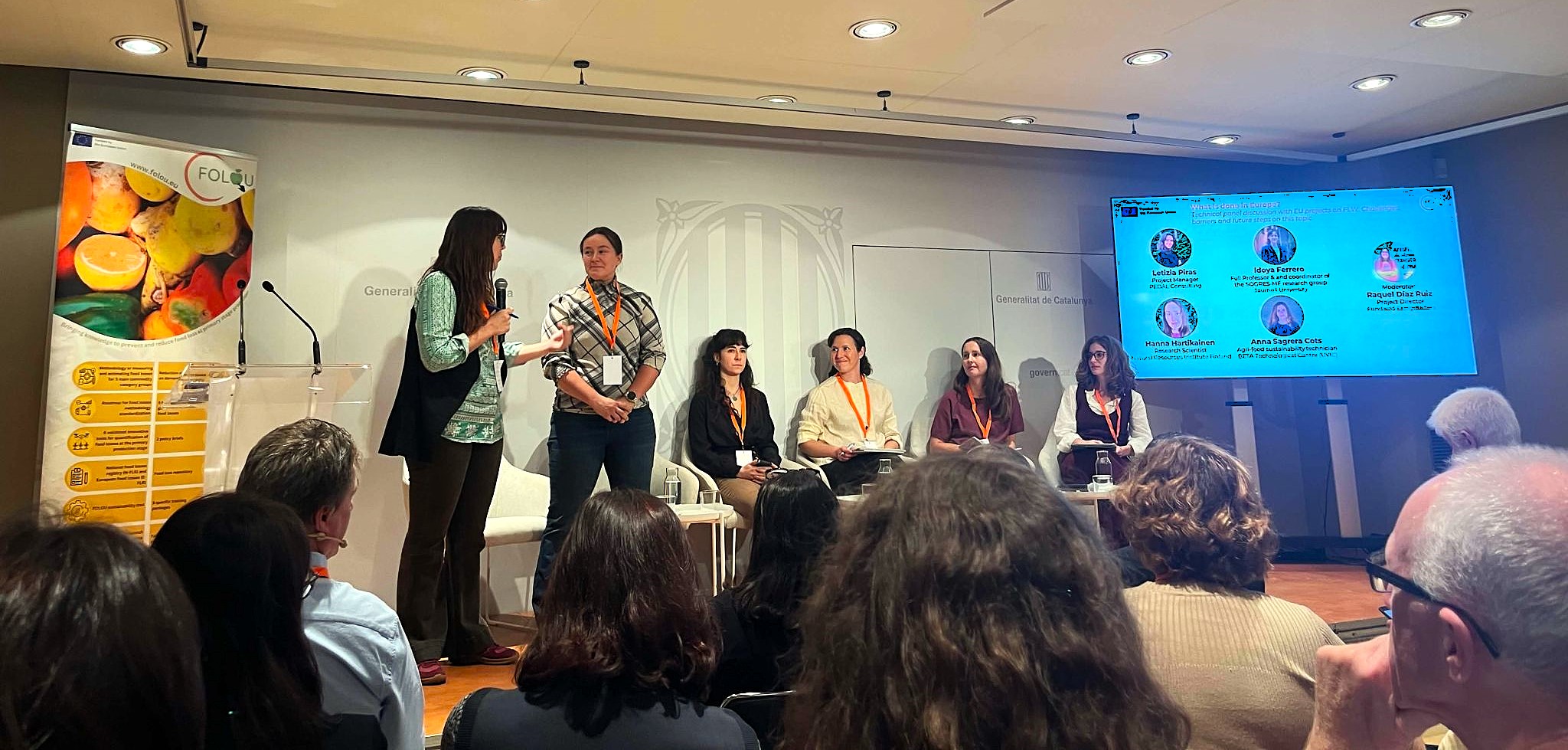
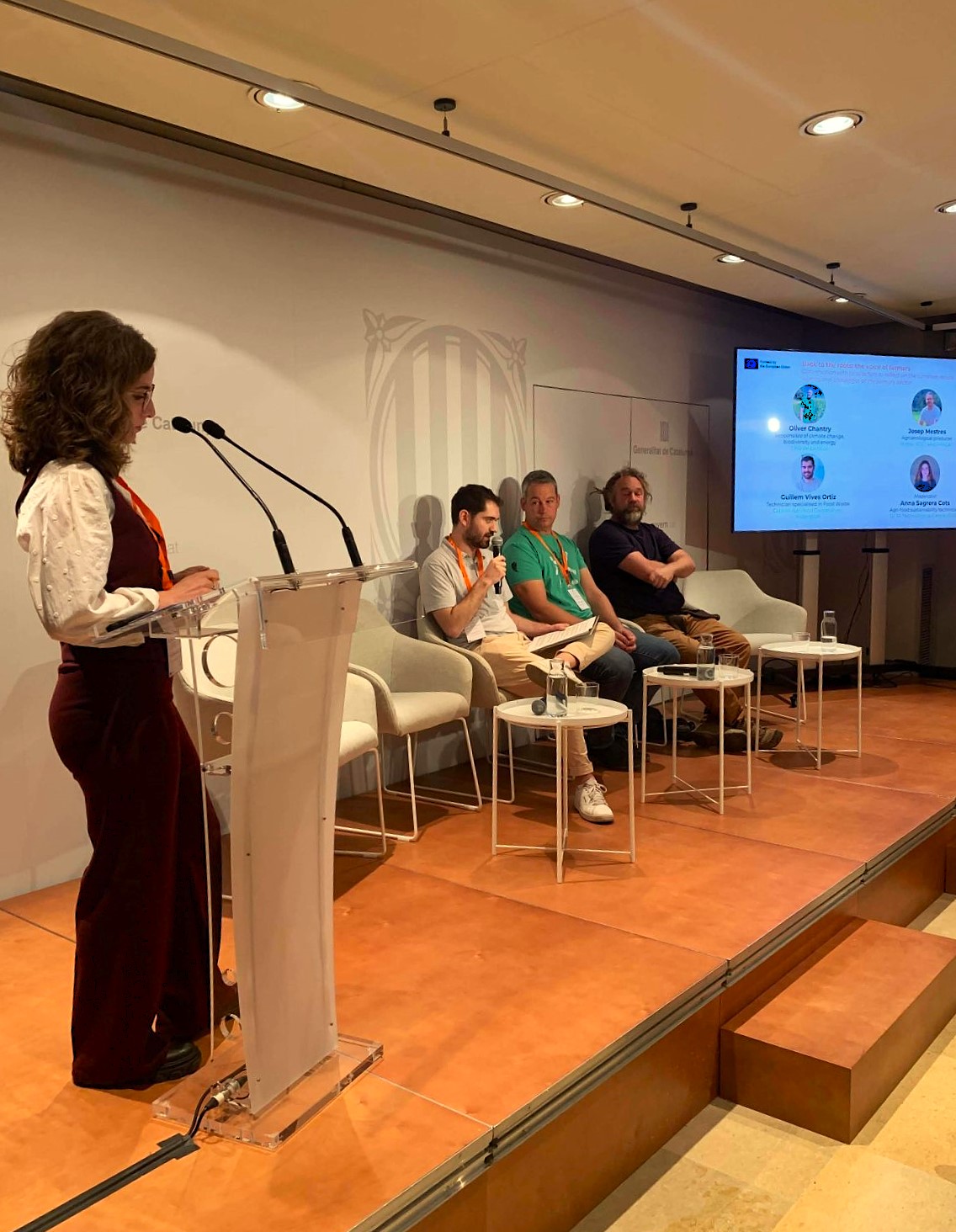
Representatives of FOLOU’s Twinning Regions shared experiences from different European territories, while farmers and agricultural organisations brought attention to the realities encountered on the ground. Exchanges with other EU-funded projects provided space to compare approaches, barriers and possible areas for future collaboration. The final sessions turned to the European policy context and to recommendations for strengthening prevention and reduction of food loss in primary production.
A central message emerged from the discussions: better measurement is indispensable, but measurement alone will not prevent food loss. Progress also depends on practical solutions that respond to producers’ realities, collaboration across the food system, and sustained attention to food loss in policies and decision-making.
A common methodology for measuring what is being lost
Among FOLOU’s most significant achievements is its work towards a harmonised methodology for quantifying food loss in primary production.
This work has already moved beyond the project itself with the publication of CWA 18410:2026 – Methodology for the Quantification of Food Loss in Primary Production, developed through the European Committee for Standardization process.
The methodology provides a common framework for quantifying food losses across agriculture, livestock and aquaculture, supporting more reliable and comparable data and helping measurements move from plot, farm or production-site level towards wider territorial assessments. It covers five major commodity groups: fruits and vegetables; cereals and pulses; roots and tubers; meat and dairy; and aquaculture products.
FOLOU’s results remain available
Although FOLOU is approaching its formal conclusion, its results have been designed to remain accessible and usable beyond the lifetime of the project.
The project’s online resource library now brings together its reports, methodologies, tools, research, training resources and deliverables. Among the major outputs currently publicly available are:
- the Food Loss Methodology and Quantification Manual, supporting consistent measurement across primary-production sectors — Food loss methodology
- the infrastructure for National and European Food Loss Registries — Registry information system
- research and datasets on the direct and indirect drivers of food loss — Data collection on food-loss drivers
- results from testing FOLOU’s innovative measurement and estimation solutions — Testing results
- the FOLOU Repository and resources for exploring available food-loss data — FOLOU Repository
- a portfolio of training and capacity-building courses for different stakeholder groups — Training portfolio
- analysis of the EU regulatory and policy landscape affecting food loss and recommendations for action — Policy analysis
- experiences and materials generated through the Twinning Regions Programme — Twinning Regions programme
A joint factsheet developed by the FOLOU, ROSETTA and COMBINE projects brings together practical policy recommendations on food loss and waste. FOLOU representatives continued this exchange at the joint BREADCRUMB, ROSETTA and CATALYSE final event in Brussels on 5 November 2026, underlining the prospects for cooperation beyond individual projects. Read the joint policy recommendations.
Explore FOLOU’s results and deliverables: FOLOU document and resource library.