
Within the framework of the Interreg IPA ADRION TETHYS4ADRION project, MIO-ECSDE, in cooperation with project partners, organised a series of technical webinars on riverine macrolitter monitoring through participatory science on 25 June and 9 July 2026. The webinars aimed to strengthen the capacities of civil society organisations, researchers, public authorities, local communities and other stakeholders to contribute to systematic riverine litter monitoring, promoting the generation of reliable, comparable and fit-for-purpose environmental data.
The webinar series comprised four technical training sessions addressing two complementary monitoring approaches: macrolitter deposited on riverbanks and macrolitter floating on river surfaces. Drawing on established European and Mediterranean monitoring guidance, including the MSFD Technical Group on Marine Litter (TGML) and IMAP CORMON frameworks, the sessions provided practical guidance on monitoring site selection, sampling units, survey frequency, litter identification and classification, field data collection and reporting. Particular emphasis was placed on applying harmonised methodologies and standardised litter classification systems, while making scientific monitoring protocols accessible to non-specialist participants. The sessions were delivered by Dr Thomais Vlachogianni (MIO-ECSDE) and Dr Roberto Crosti (ISPRA).
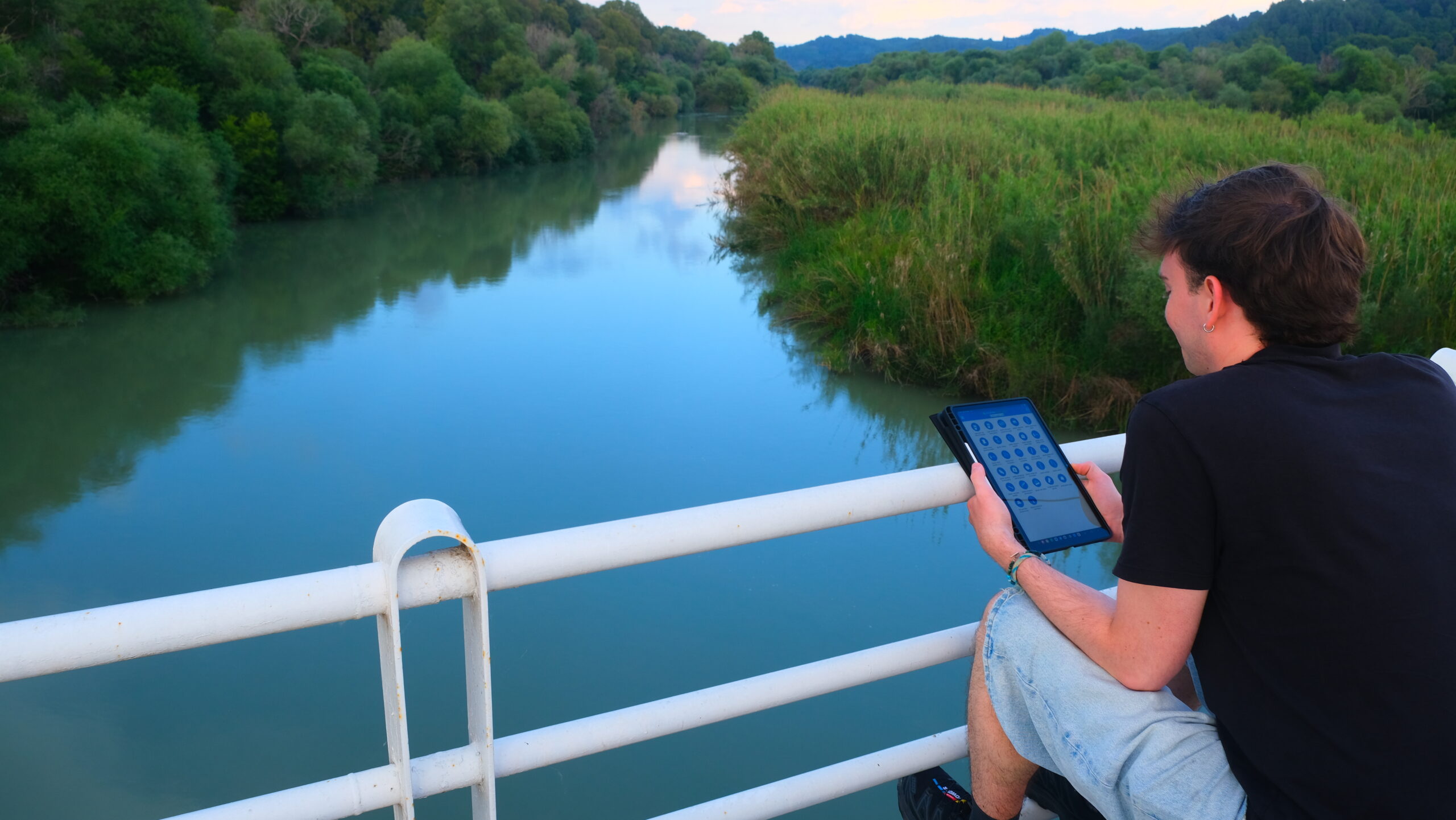 The initiative attracted 80 registrations from 15 countries, reflecting considerable interest across the Adriatic-Ionian region and beyond. Participants represented a diverse range of stakeholders, primarily higher education and research institutions, NGOs and interest groups, and public authorities. Notably, more than half of the registrants expressed a clear interest in participating in the project’s forthcoming participatory science campaign.
The webinar series constituted an important preparatory step for the TETHYS4ADRION participatory science campaign, designed to engage communities in monitoring riverine macrolitter across five pilot river areas: Alfeios (Greece), Buna/Bojana (Albania/Montenegro), Neretva (Bosnia and Herzegovina/Croatia), Soča/Isonzo (Slovenia/Italy) and Reno (Italy). Beyond strengthening monitoring capacities, the initiative contributes to the project’s broader ambition of connecting community-generated environmental evidence with stakeholder dialogue, science–policy cooperation and improved aquatic litter governance.
Read in French here