TETHYS4ADRION has moved swiftly from project launch to hands-on implementation, with a major capacity building event on 14–15 October in Metković, Croatia held back-to-back with the biannual partners’ meeting on 16-17 October. This two-day workshop equipped project partners with the knowledge and practical skills needed to begin monitoring litter along riverbanks and at the water surface at the project’s five pilot rivers.
The workshop combined theoretical sessions with applied field training. Participants were introduced to the key concepts and harmonised protocols for assessing macrolitter, mesolitter and microliter in different matrices of the river system. This guidance prepared partners for the upcoming monitoring campaigns that will generate fit-for-purpose data to support decision-making and mitigation planning.
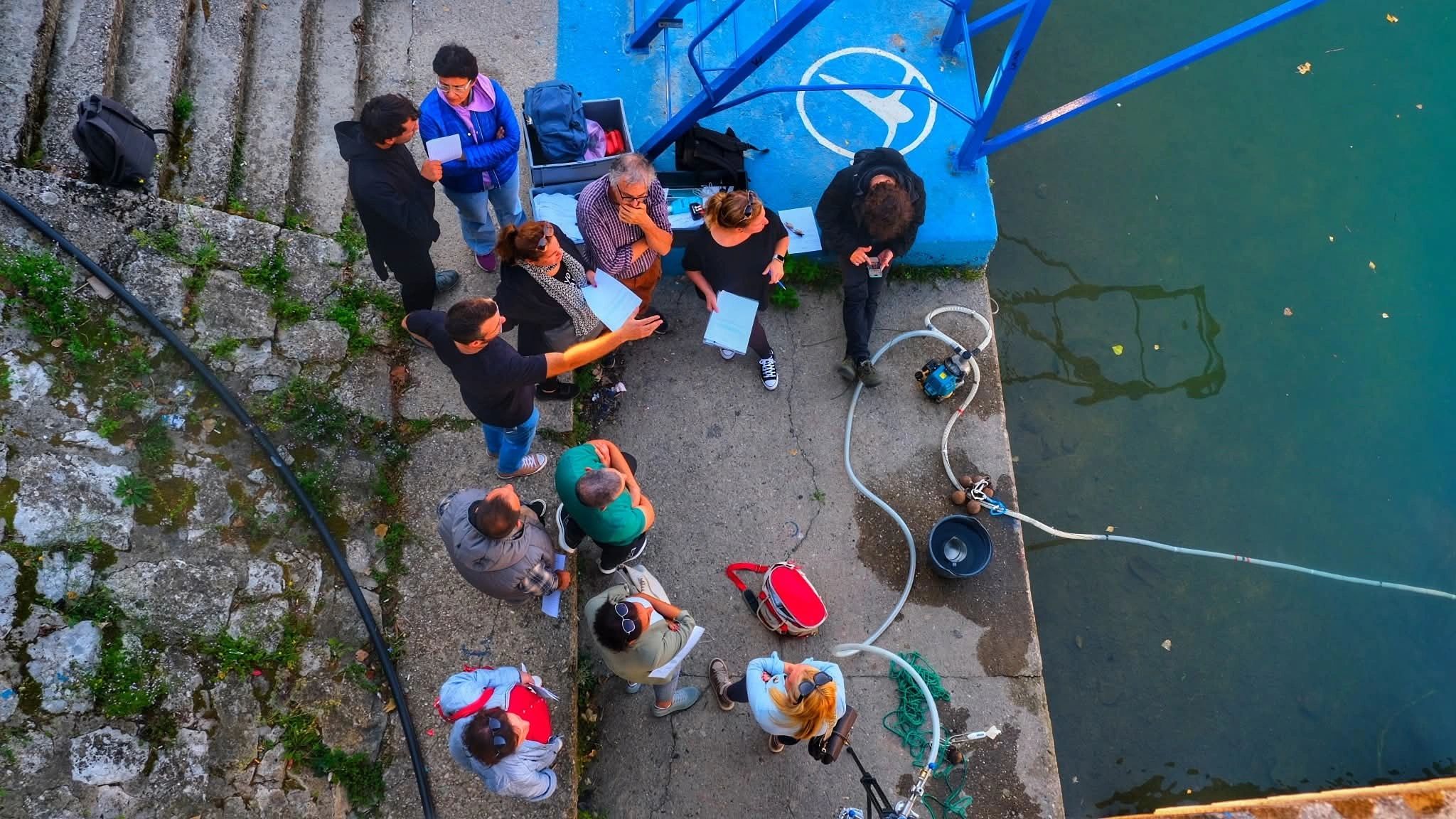
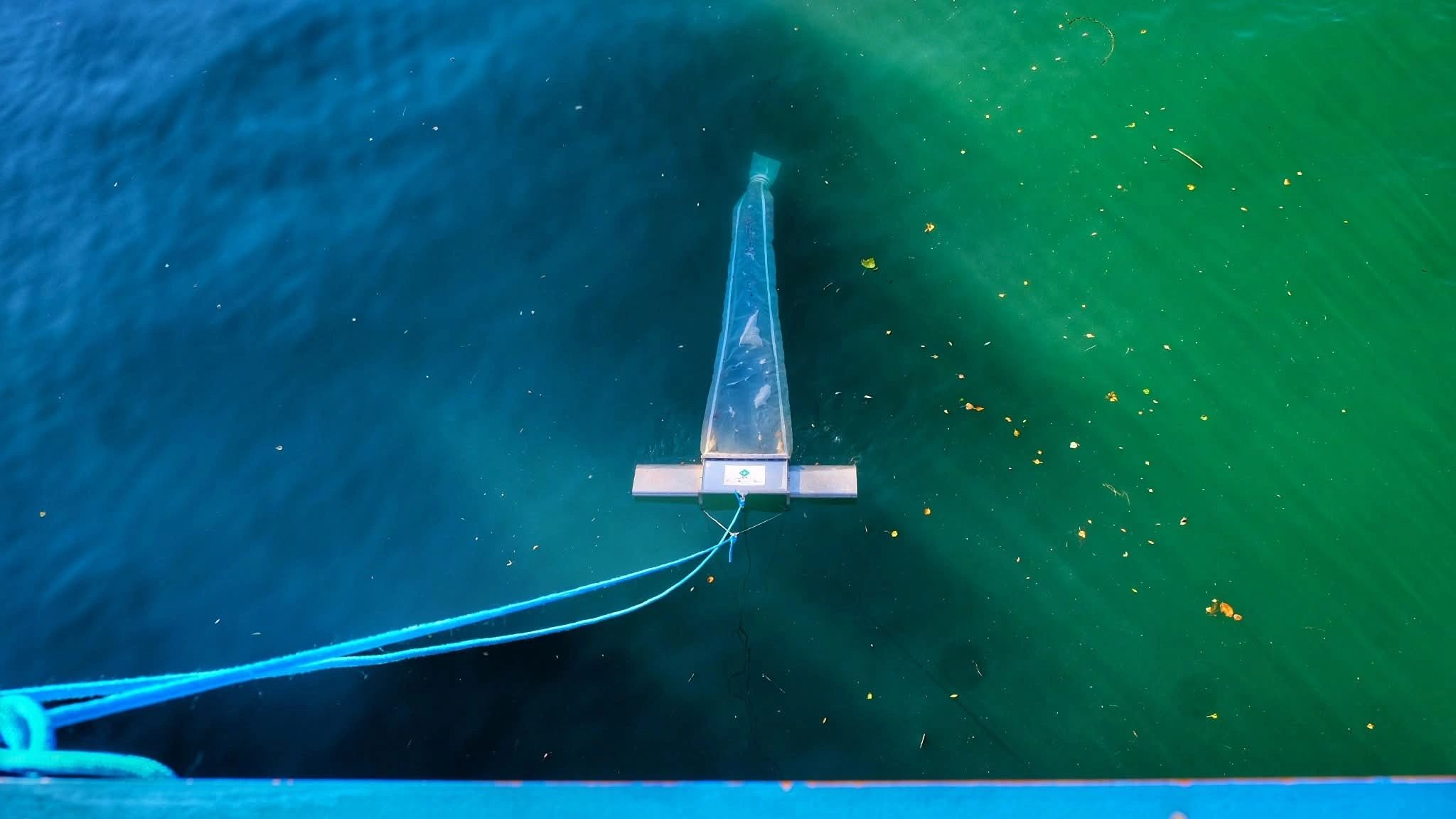
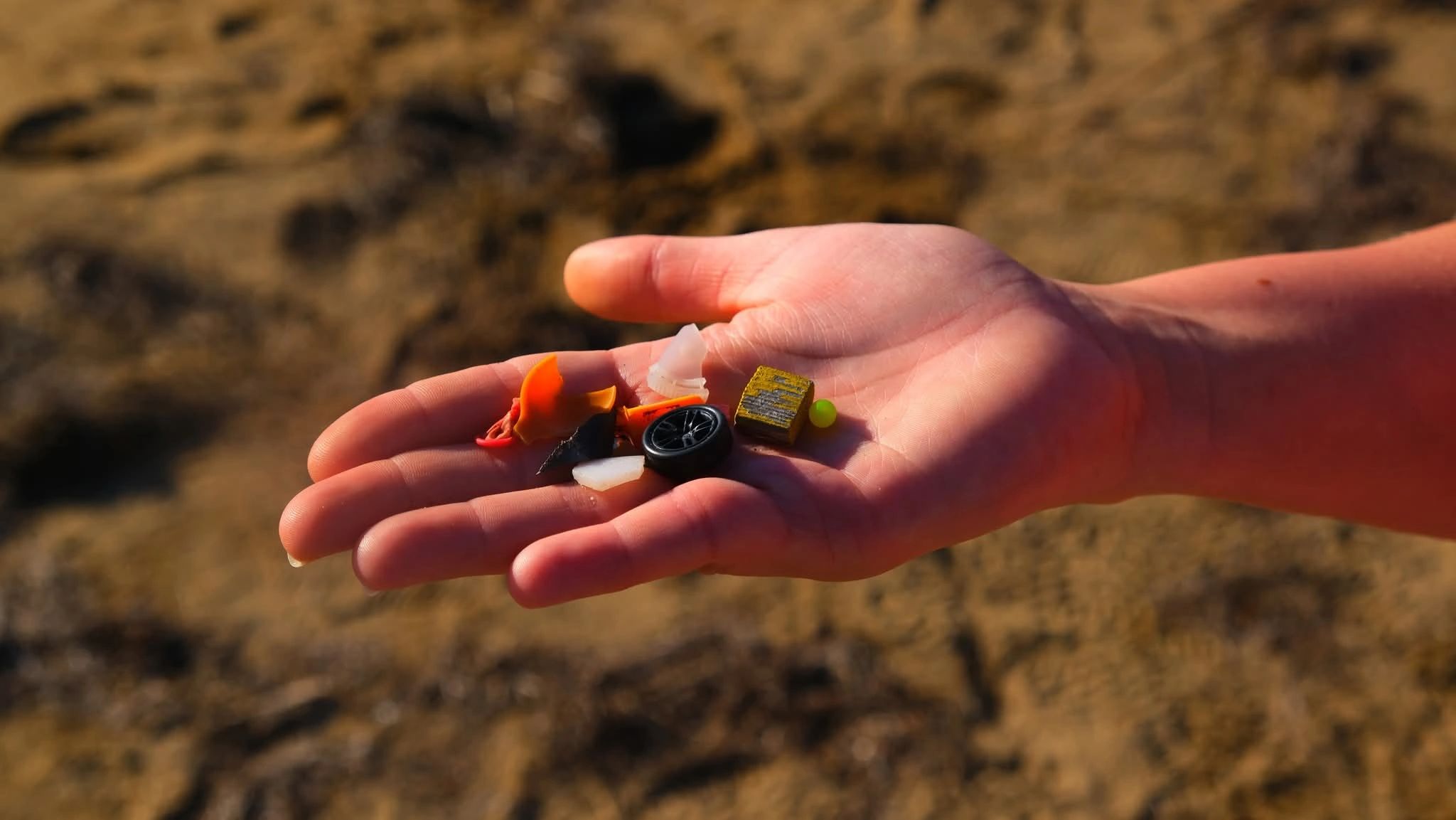
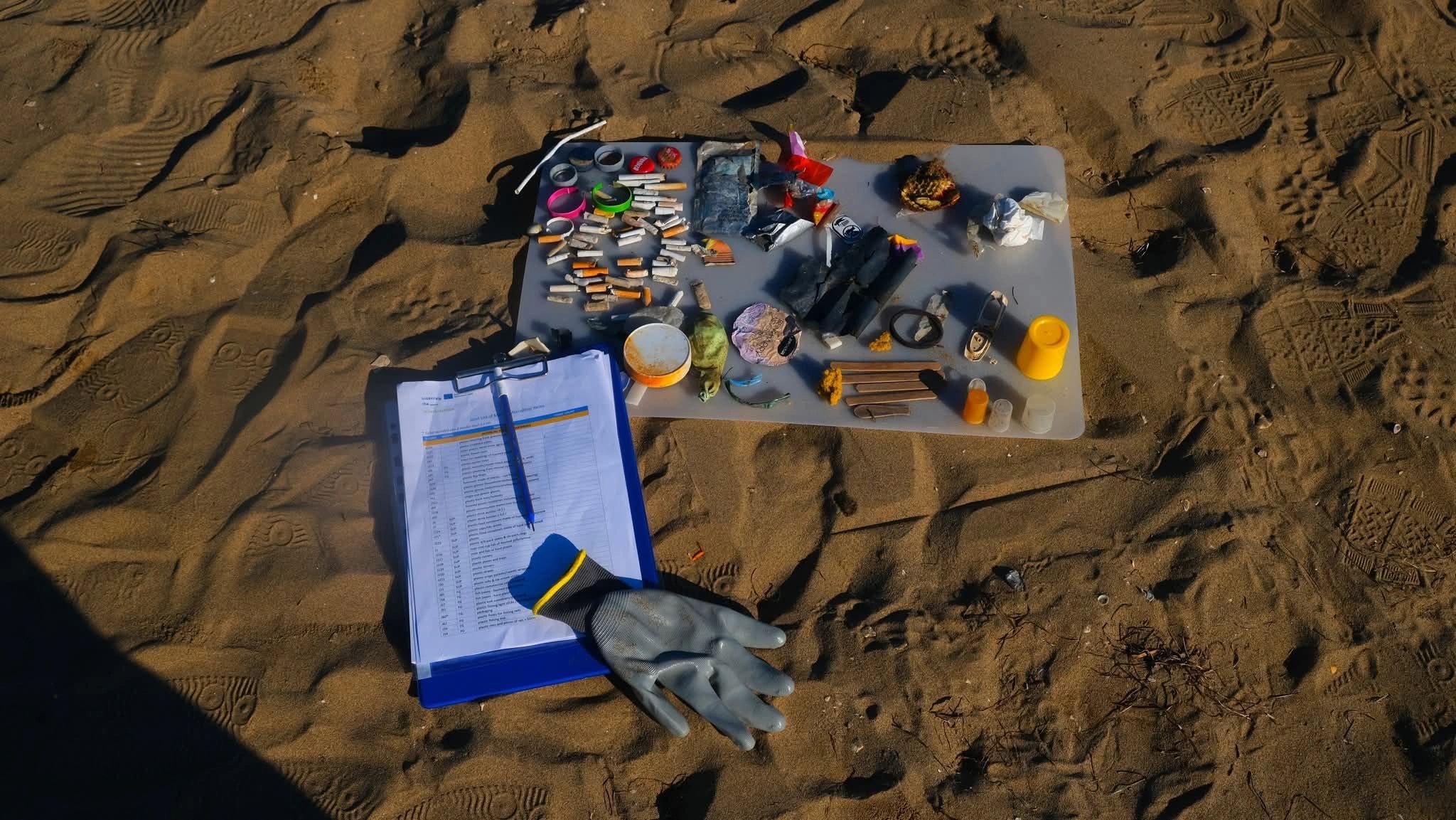
The practical exercises took place on the Neretva River in Metković and on a nearby beach near the Neretva Delta. Field teams practiced conducting surveys, collecting samples, using monitoring tools, and applying established protocols under real conditions. The training also addressed essential questions such as how to adapt protocols to local conditions, how to conduct consistent sampling across sites, and how to carry out laboratory analysis.
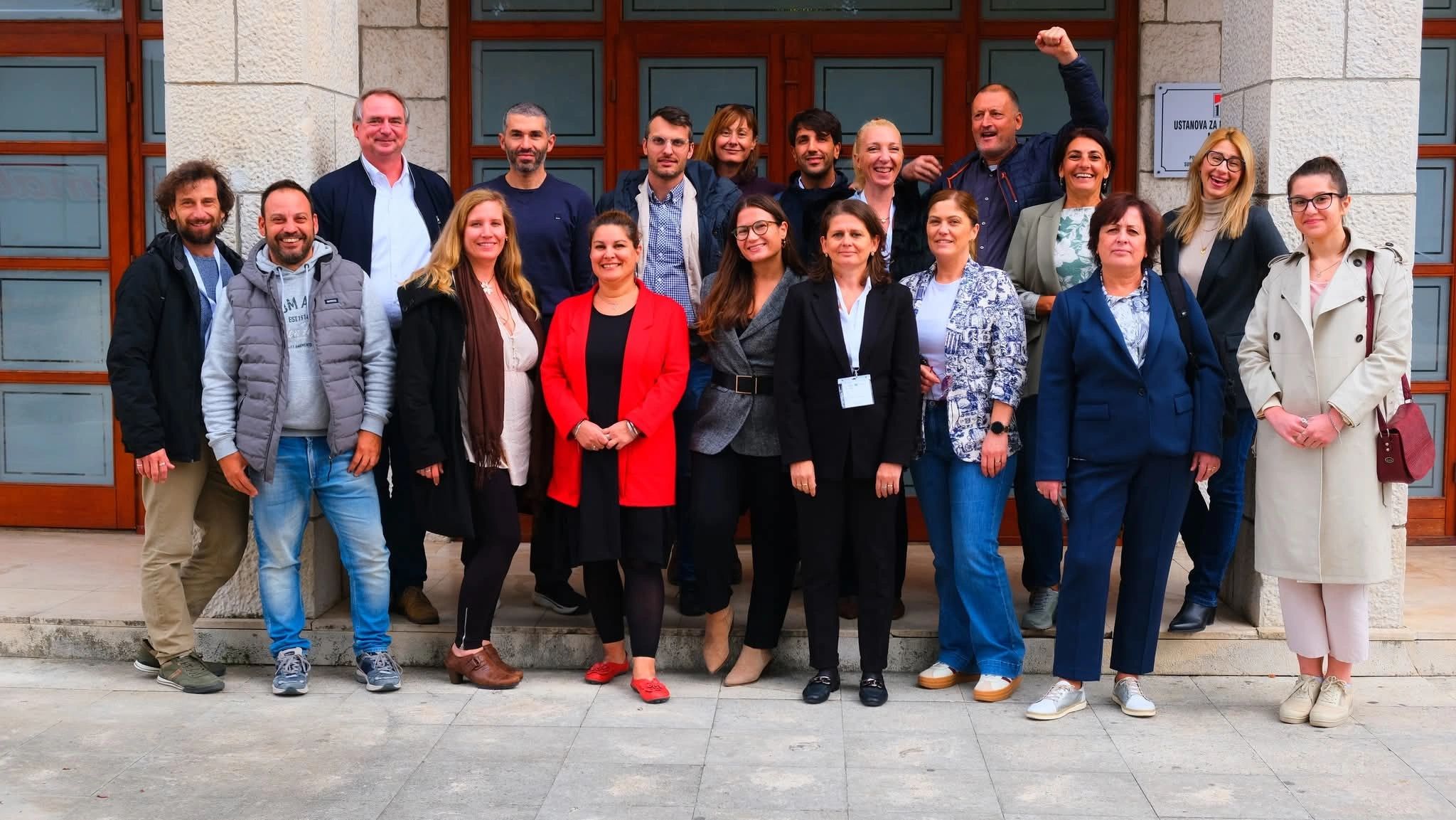
This capacity building event was jointly organised by the Institute of Oceanography and Fisheries, ISPRA, MIO-ECSDE, IWRS, and the City of Metković, which generously hosted the workshop.
Alongside the training, project partners continued refining the harmonised riverine litter monitoring approach that will be applied across the five pilot rivers — Alfeios (Greece), Buna-Bojana (Albania–Montenegro), Soča (Italy–Slovenia), Neretva (Croatia–Bosnia and Herzegovina), and Reno (Italy). This unified approach will help ensure consistent data collection, enable cross-site comparisons, also with inputs from participatory science initiatives.
In parallel, partners are advancing the first set of measures for litter prevention, mitigation, and restoration, while also elaborating GIS-based mapping of wider river areas to identify litter sources, accumulation zones, and retention points.
With monitoring preparations completed and the first field campaigns underway, TETHYS4ADRION is rapidly building the evidence base and partnerships needed to reduce riverine litter and strengthen freshwater ecosystem resilience across the Adriatic–Ionian region.
Read this in French here