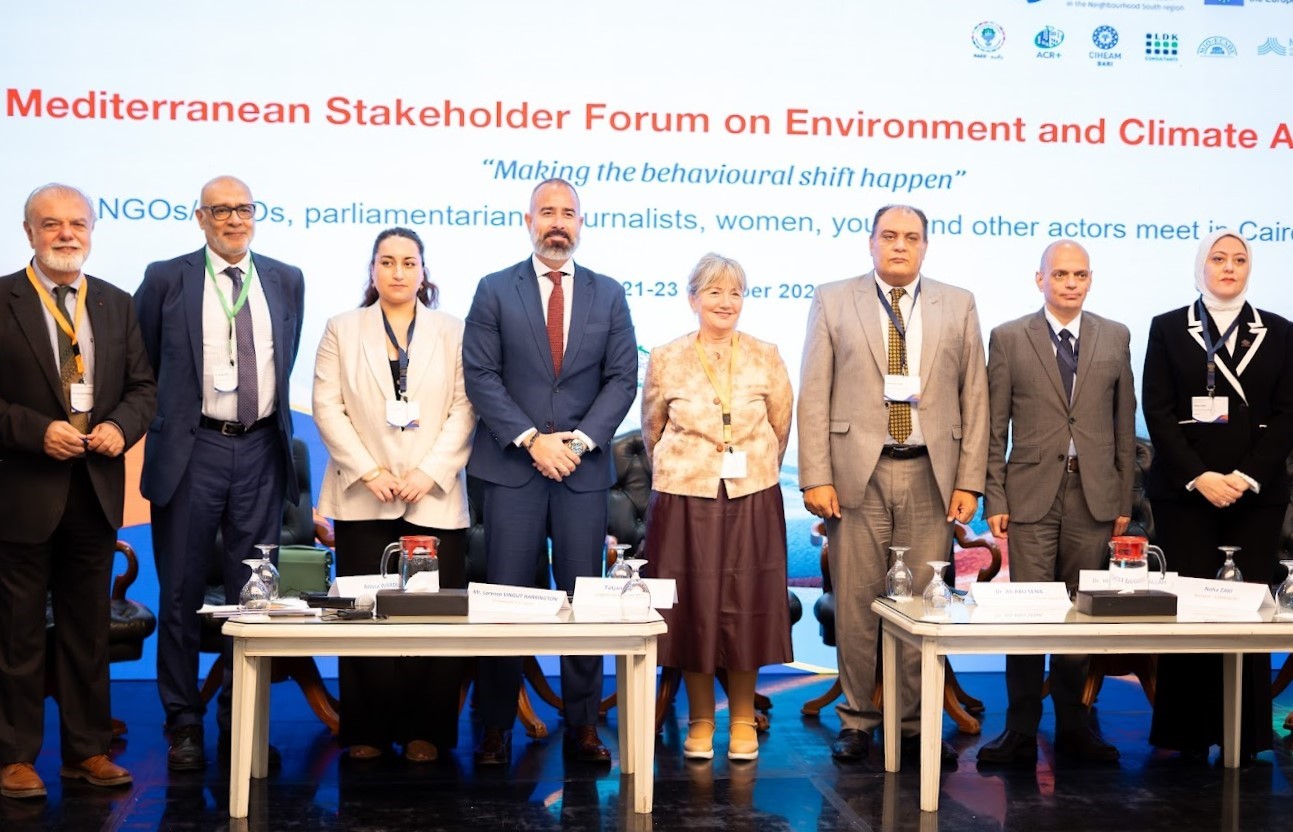
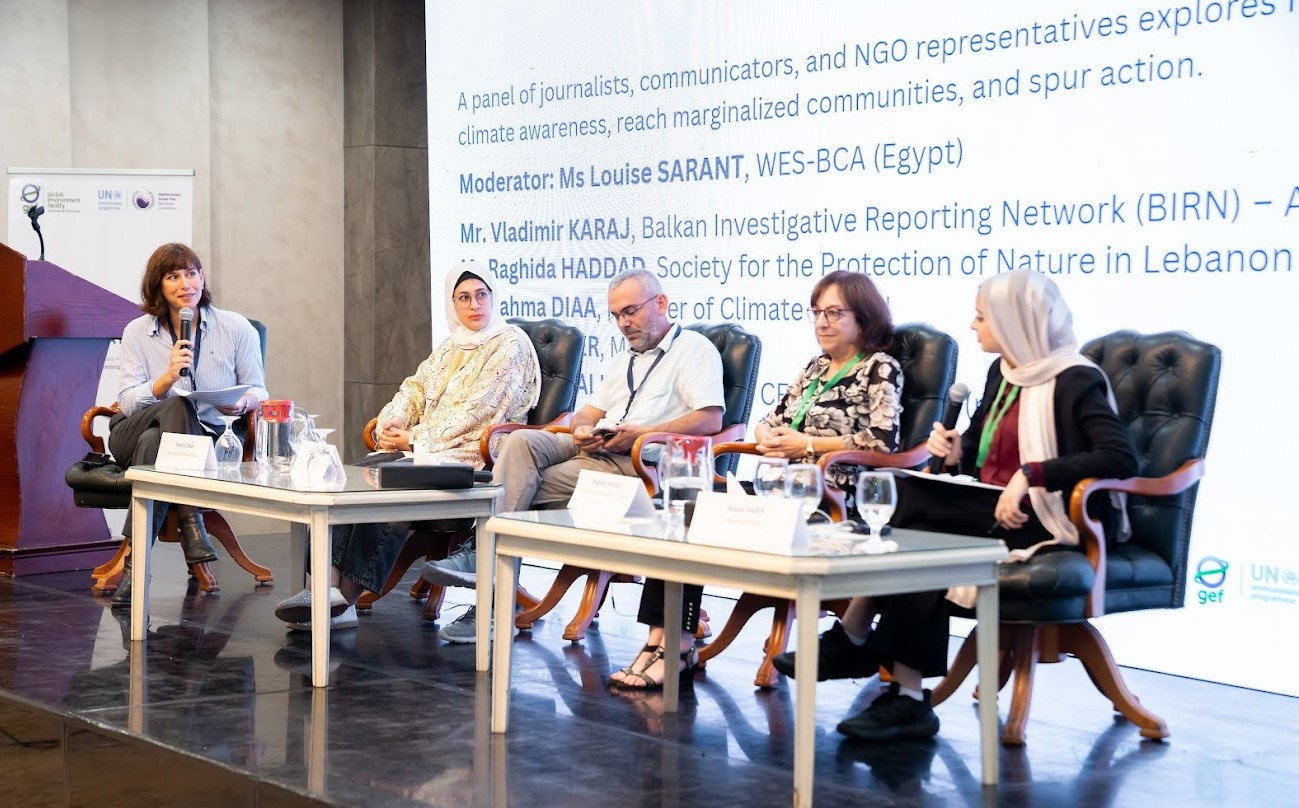
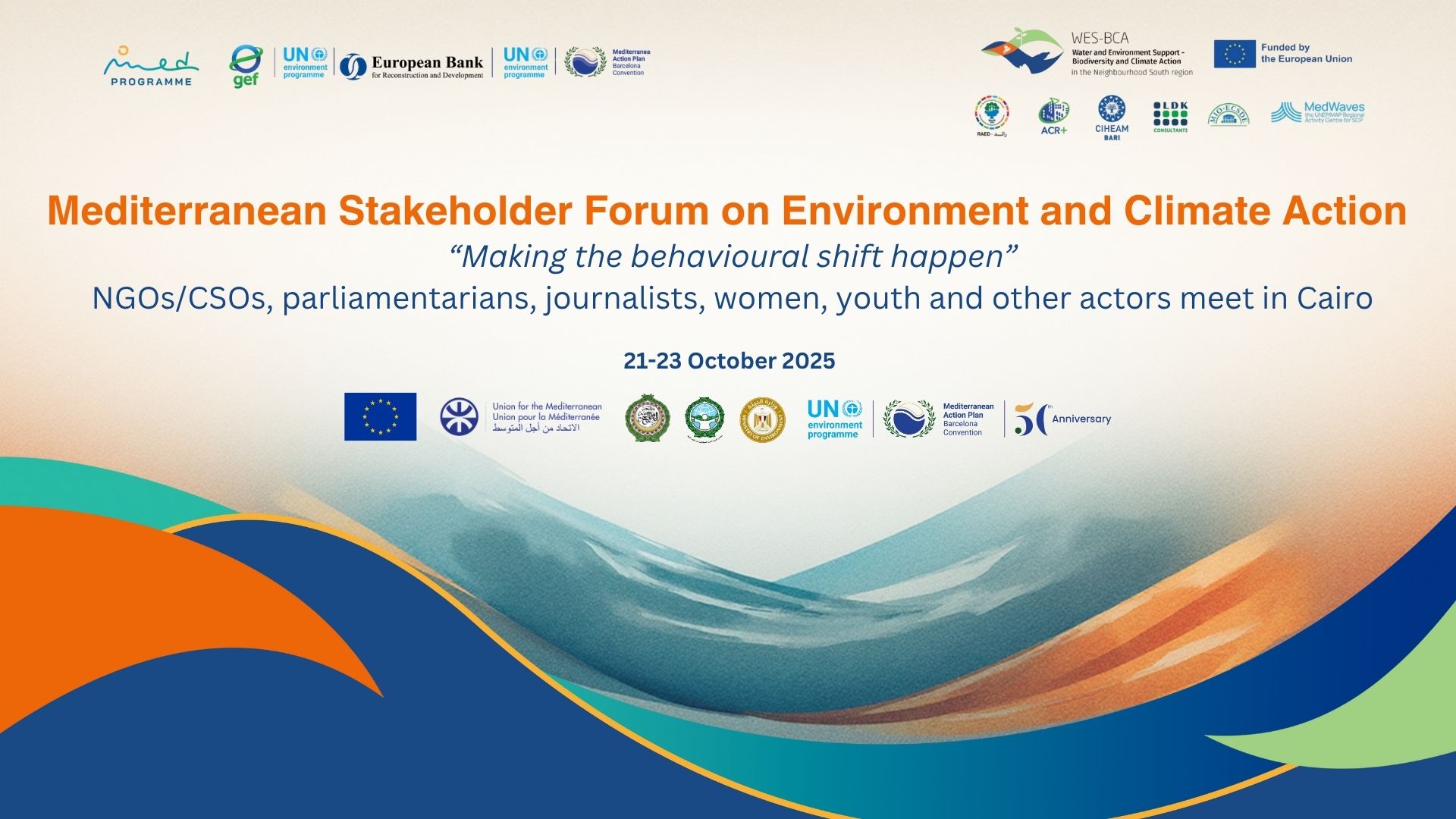
The Mediterranean Stakeholder Forum on Environment and Climate Action – “Making the Behavioural Shift Happen: NGOs/CSOs, Parliamentarians, Journalists, Women and Youth Organisations, and Other Actors Meet in Cairo” successfully took place over 2,5 days from 21–23 October 2025.
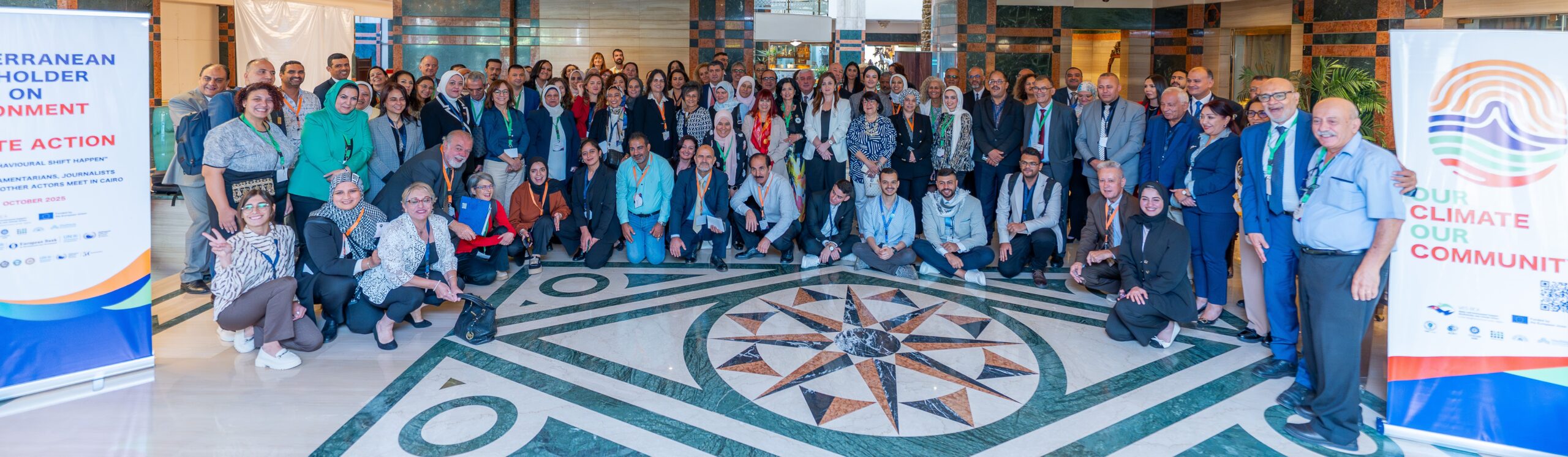
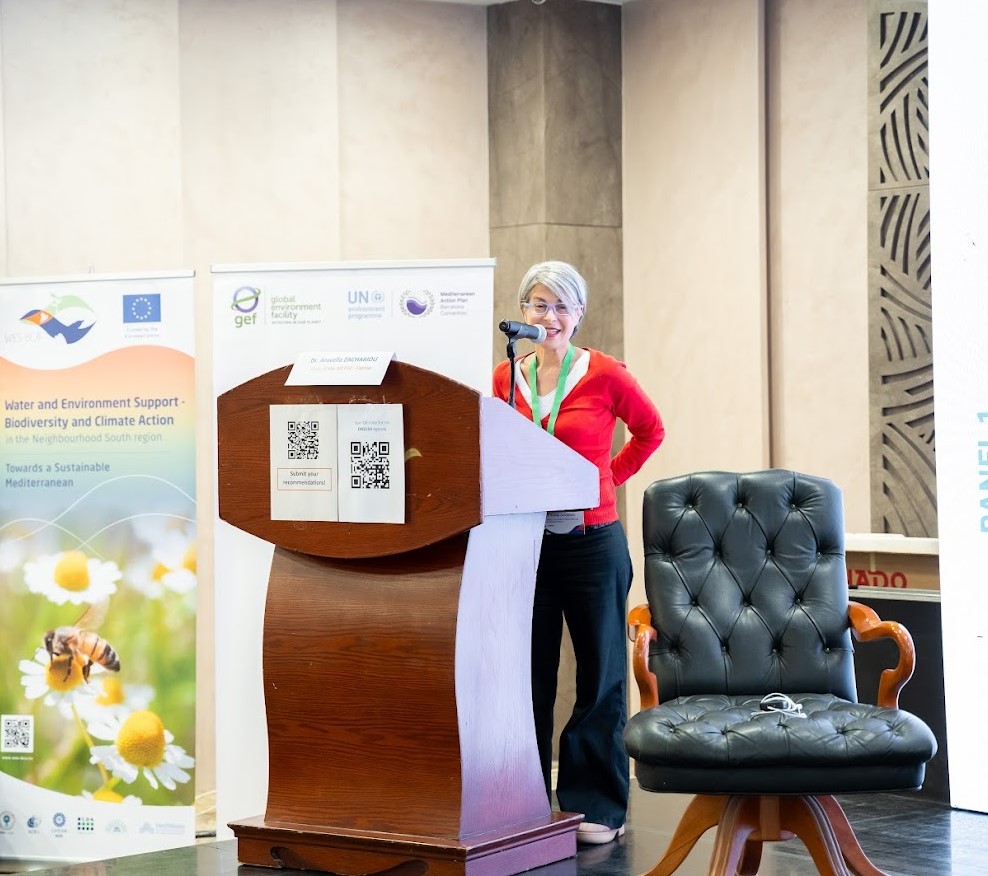
The Forum was co-organised and co-financed by the EU-funded “Water and Environment Support-Biodiversity and Climate Action (WES-BCA) in the Neighbourhood South region” project and the GEF-funded Mediterranean Sea Programme (MedProgramme): “Enhancing Environmental Security”, and hosted by the WES-BCA Consortium Member RAED (the Arab Network for Environment and Development). All major regional policy frameworks (the EU, the Union for the Mediterranean, the Mediterranean Action Plan of UNEP, and the League of Arab States) supported the Forum as did the Ministry of Environment of Egypt.
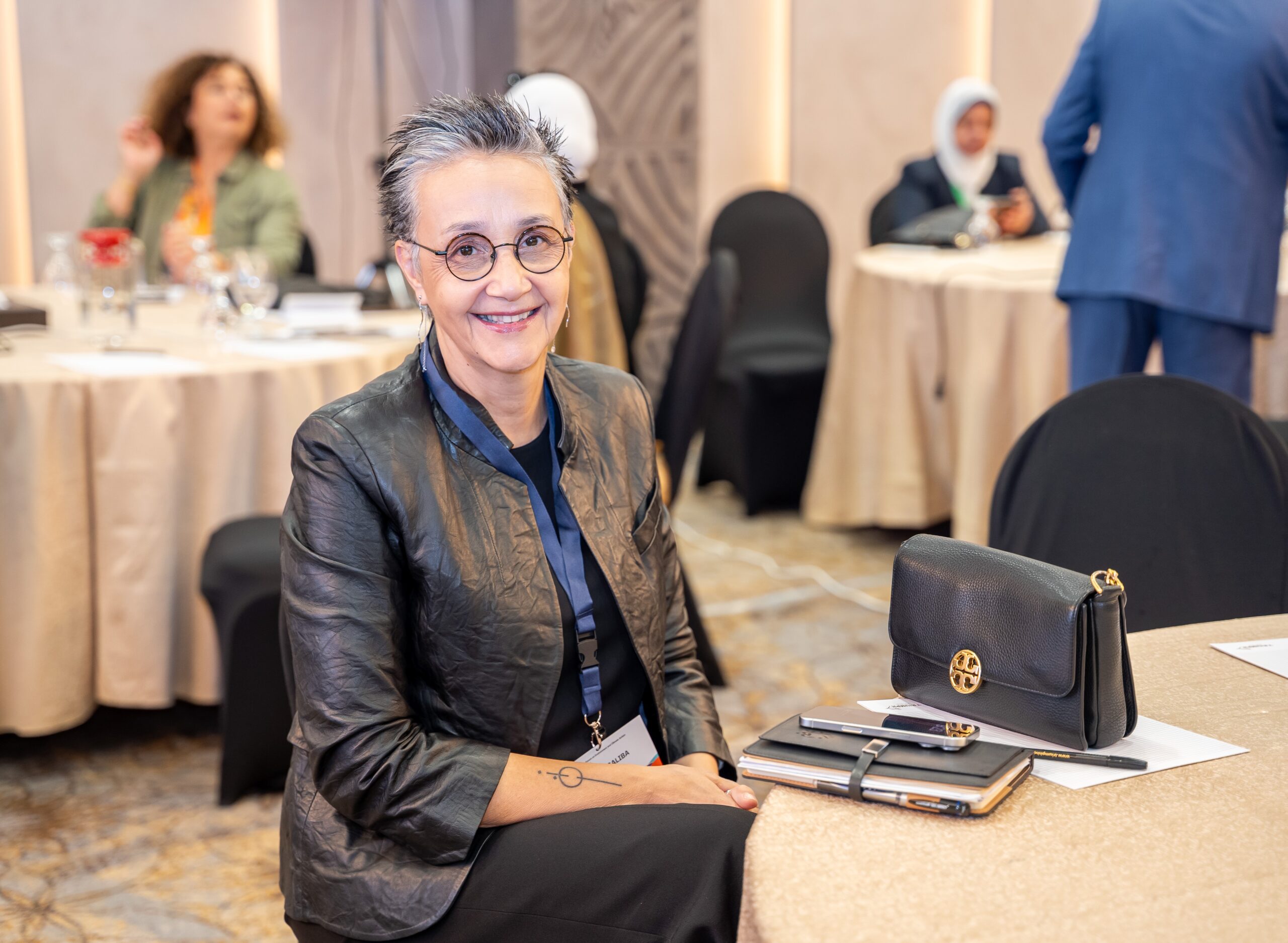
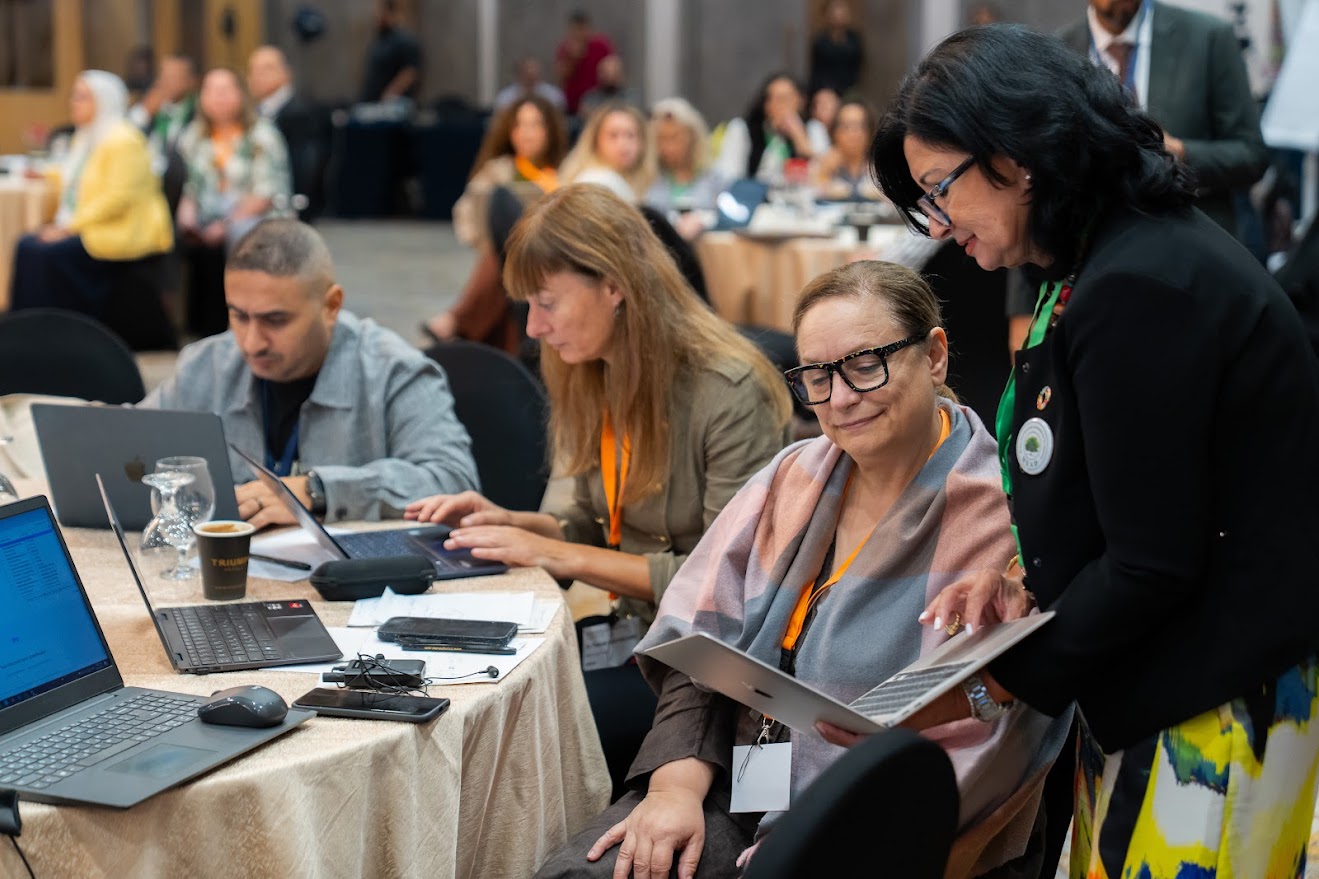
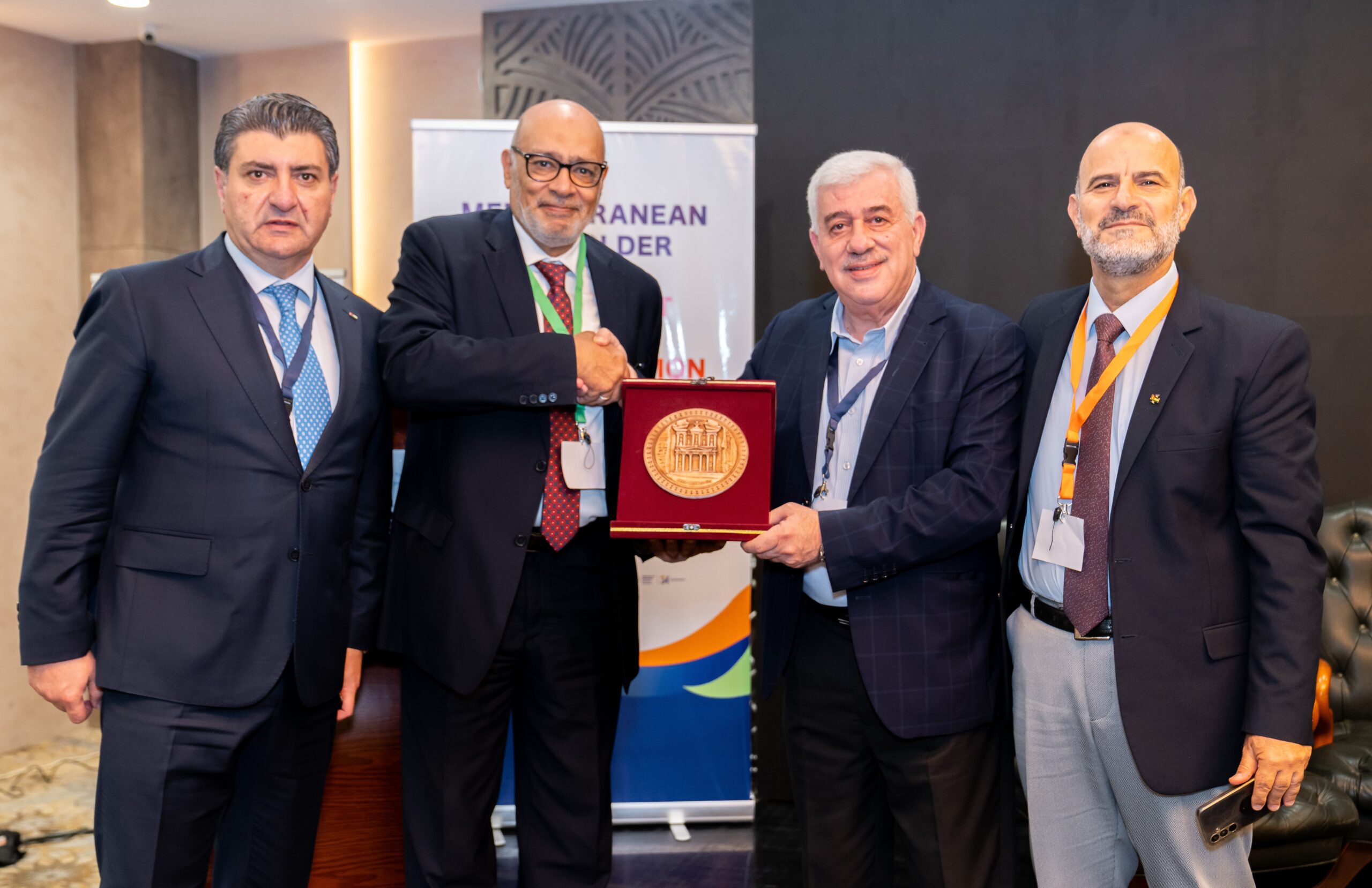
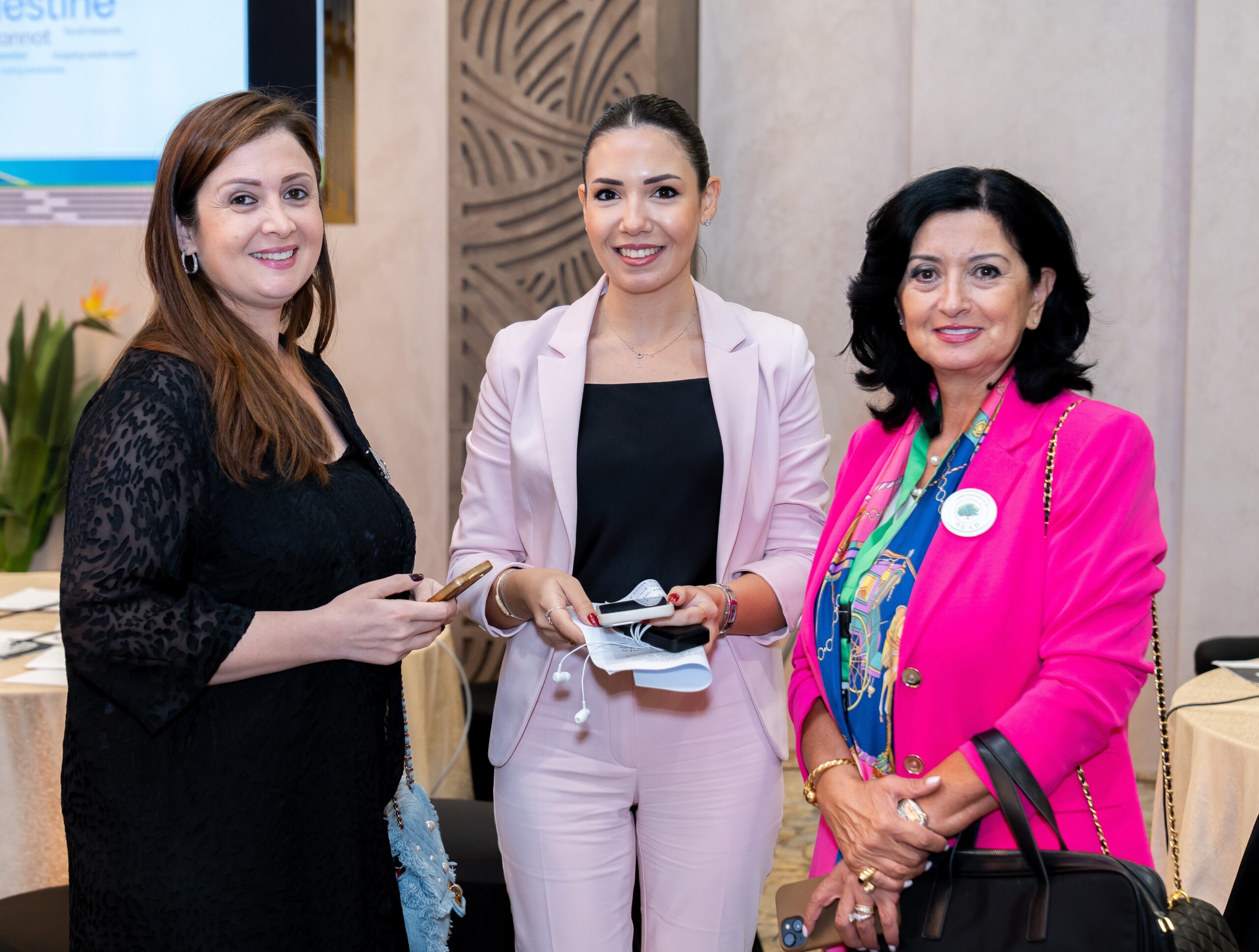
More than 170 stakeholders participated, ranging from environmental, developmental and cultural NGOs/CSOs, to youth, women, parliamentarians, journalists, academics, educators, water specialists, progressive companies, local authorities, as well as some government officials and intergovernmental organisations. The gender balance for those participating in person was excellent (close to 50%, at 45% male, 55% female), while approximately 23% of the participants were youth, who contributed to all panel discussions of the Forum. The satisfaction rate of the participants was 92% based on the completed evaluation form circulated at the end of the Forum and resent a few days later. Various participants contributed with their suggestions for an even better Forum to be organized in the near future.
Pooling together the targeted and carefully selected WES-BCA and MedProgramme stakeholders across 12 combined Partner Countries (Albania, Algeria, Bosnia and Herzegovina, Egypt, Jordan, Lebanon, Libya, Montenegro, Morocco, Palestine, Tunisia and Türkiye) complemented with experts and speakers from various additional countries (Belgium, Croatia, Cyprus, France, Greece, Italy, Portugal, Serbia and Spain) (totaling 21 countries) made for a very interactive and productive forum.
The final Forum material (final Concept Note, Agenda & Presentations) has been uploaded here: https://drive.google.com/drive/folders/19Sde93D6blMjSO0toiBsQs350uHJjzmZ?usp=drive_link
Photos from the Forum can be accessed from here: https://photos.app.goo.gl/W7x9VHSSuCKXxSPp8
A short video on the Forum is available here: https://drive.google.com/file/d/1U9a0tvhXkH7I4FOKjOvVSRjCS6pFlPGT/view?usp=sharing
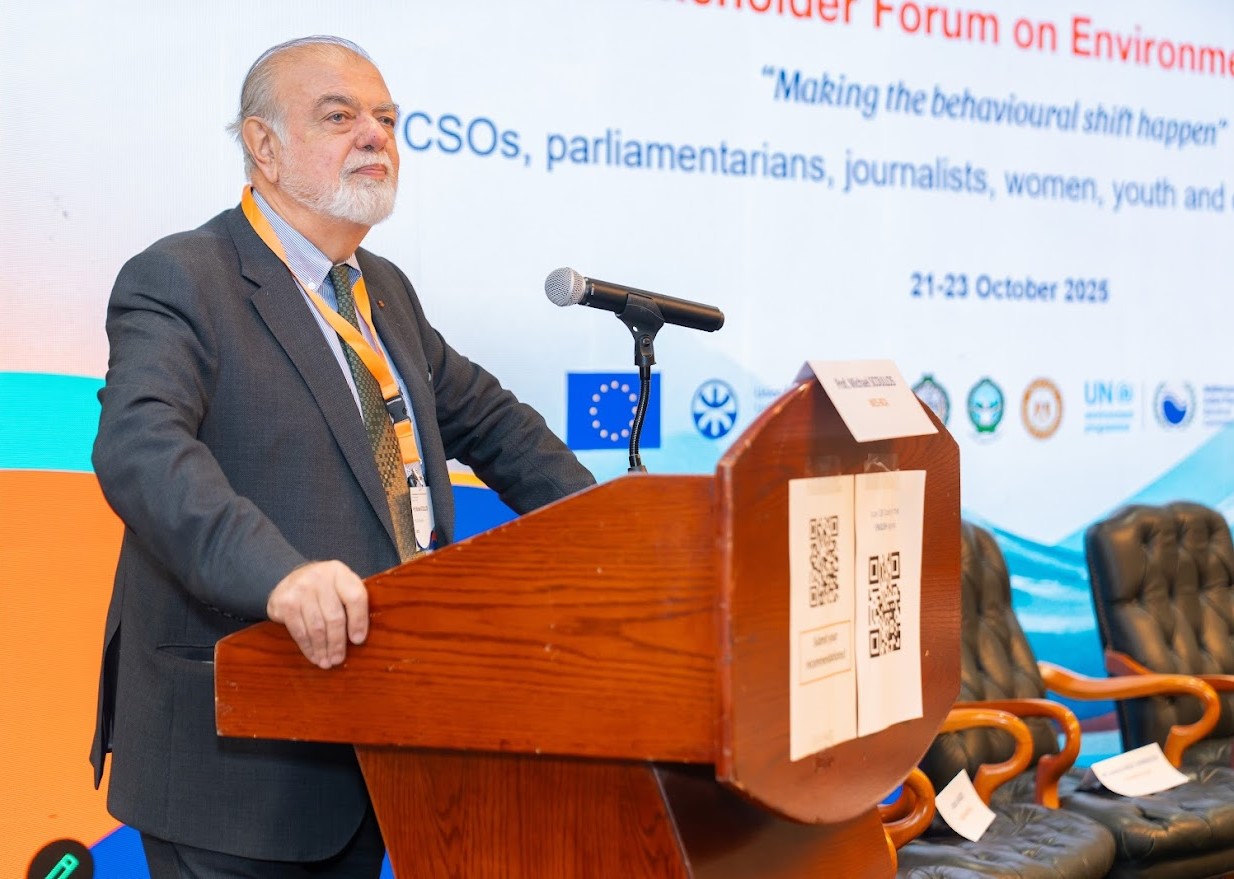
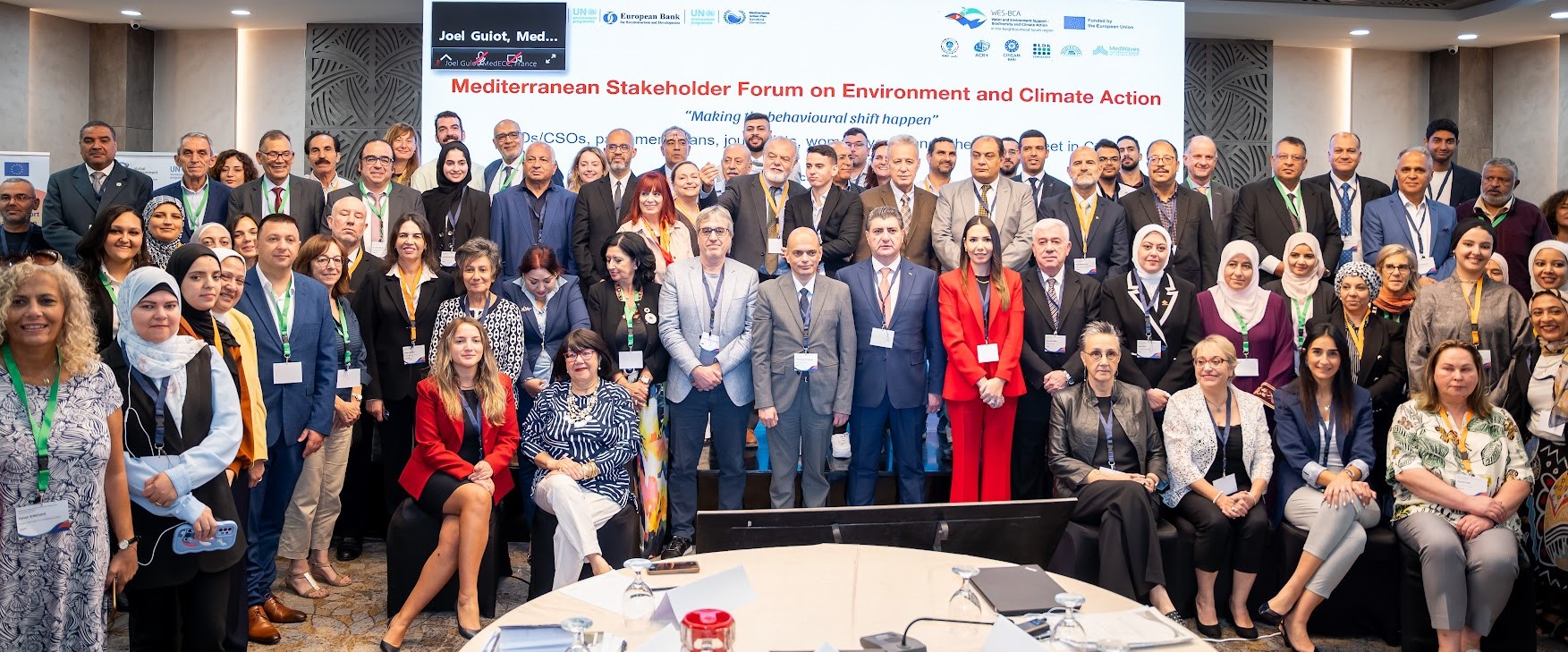
Core messages from the Forum, as also communicated to COP24 of the Barcelona Convention on the 4th of December 2025
- More urgent interventions are needed, speeding up no-regret measures, inspired by good practices so as to resist fatalism and inertia.
- Governments, despite the many and genuine efforts, good initiatives and some successes for many key issues, seem to be “running to catch up” despite evidence and knowledge, applied and replicable low-cost solutions, new technologies and digital tools, strategies and declarations. Why? Because of delay in strengthening governance structures, establishing robust institutions, that work together, in transparency, with accountability, hand in hand with civil society. They do not want to replace governments, but to assist them, and introduce new generation governance.
- Civil Society welcomes the commitment at regional and national level to implement highly integrated governance approaches, like the Strategy for Water-Energy-Food-Ecosystem (WEFE) Nexus in the Mediterranean Source-to-Sea Continuum as a guiding framework for regional and national action.
- At the same time, civil society is frustrated with the resistance of some governments to take it all the way when it comes to effectively and efficiently addressing more complex challenges such as plastics pollution and maritime decarbonisation.
- We want to show our determination for hope and we need Youth with us every step of the way. Youth in turn, welcomes regional initiatives and efforts that focus on and engage Youth such as the UfM Youth Strategy, the initiative to expand the category of the Non-Contracting Party Members of the MCSD for including regional and sub-regional organizations of Youth (and Women) working in the field of environment and sustainable development. Also, Youth expectations are high of the new Pact for the Mediterranean, where it is clearly mentioned that special attention should be paid to empowering and constructively engaging with Youth.
- There are major challenges for civil society, connected to the shrinking civic space the world over, with corresponding limited access to financial resources that are needed to enable them to remain at the forefront of innovation; effective and efficient partners.
- We share the responsibility of achieving resilience to our respective stakeholder base. We need to see the success at regional level reaching and affecting people and nature at the national and local levels. We need to see coherent legal frameworks that will provide incentives and the enabling environment for sustainability. And the sustainable financing of implementation.
Read in French here