The Mediterranean’s environmental, climate and socio-economic challenges require cooperation across borders, sectors and communities. This was the central message of “A New Pact for a Sustainable Mediterranean Future”, a three-day gathering held in Athens from 19–21 May 2026, which brought together more than 200 policymakers, researchers, entrepreneurs, civil society representatives, local authorities and practitioners from across the Mediterranean region.
The first day formed part of the 9th Circle the Med Forum, one of the Mediterranean’s platforms for environmental dialogue and cooperation, featuring high-level political discussions on the future of sustainability, climate resilience and regional collaboration. Building on this momentum, the following two days hosted two annual flagship gatherings of the Interreg Euro-MED Innovative Sustainable Economy (ISE) Mission, the MED Innovation Summit and the Community of Practice, organised by the Greek partners of the Mission, MIO-ECSDE and Dynamic Vision.
Through high-level policy dialogue, thematic discussions, training sessions and peer-learning activities, participants exchanged experiences and explored practical solutions for building a more sustainable, resilient and circular Mediterranean.
The event opened with strong messages on the need for deeper regional cooperation and collective responsibility in addressing the Mediterranean’s interconnected environmental, climate and socio-economic challenges. The opening of the Forum featured high-level interventions by George Papandreou, former Prime Minister of Greece, and H.E. Constantine An. Tassoulas, President of the Hellenic Republic, alongside representatives of European and Mediterranean institutions.
Energy as a Bridge for Resilience, Security and Peace
One of the Forum’s highlights was the high-level policy dialogue entitled “Energy as a Bridge: Climate Resilience, Energy Security and Peace in the Mediterranean”.
Bringing together representatives of governments, European institutions, international organisations and academia, the session explored how renewable energy cooperation, cross-border infrastructure and clean energy investments can strengthen resilience, reduce tensions and build trust across the Mediterranean basin.
Among the distinguished speakers were Ambassador Omar Amer Youssef of Egypt, Francesco Corvaro, Special Envoy for Climate Change of the Italian Government, Marija Pujo Tadić, Special Advisor/Envoy for Climate Action of Croatia, Francisco Gaztelu Mezquiriz from the European Commission, Ambassador Hesham Youssef from the European Institute of Peace and Simone Bastianoni, Vice Rector of the University of Siena.
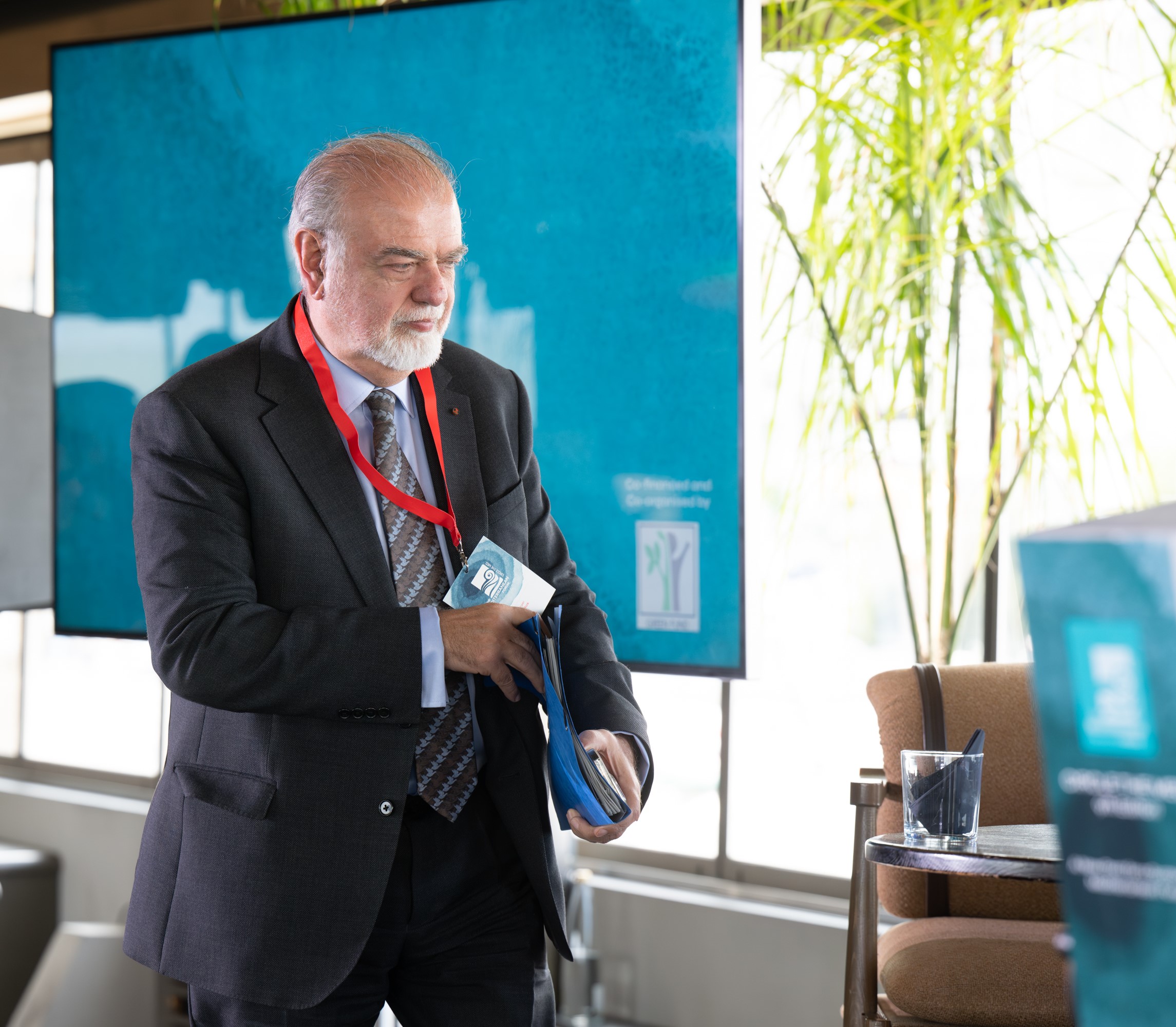 Representing MIO-ECSDE, Prof. Michael Scoullos, Chairman of MIO-ECSDE and Team Leader of the WES-BCA project, emphasized that environmental cooperation has long served as a platform for dialogue, trust-building and regional stability in the Mediterranean. Drawing on MIO-ECSDE’s extensive experience and regional initiatives, particularly through the WES-BCA project and other Mediterranean partnerships, he highlighted how capacity building, stakeholder engagement and knowledge-sharing contribute directly to climate resilience, sustainable development and peaceful cooperation. He further stressed the indispensable role of civil society organisations as facilitators of dialogue and as bridges connecting local communities, policymakers, researchers and regional institutions.
Beyond Mitigation and Adaptation
Climate resilience maintained a central theme of the MED Innovation Summit.
During the panel discussion “Beyond Mitigation and Adaptation for a Climate-Smart Resilient Mediterranean”, experts explored how evidence-based decision-making, foresight methodologies and innovative governance approaches can help Mediterranean societies respond to increasingly complex and interconnected climate risks.
MIO-ECSDE contributed to the discussion through the participation of Dr. Thomais Vlachogianni, Head of Science, Research & Policy and Senior Programme Officer, who presented the work of the MIRAMAR project, in which MIO-ECSDE is a partner. Her intervention highlighted the need to move beyond fragmented, sectoral responses and towards integrated, cross-border approaches that embed climate and ecosystem intelligence into routine decision-making cycles. This means systematically using tools such as climate projections, cumulative impact assessments, and ecosystem-based models to support a more holistic understanding of cumulative, multi-stressor pressures, strengthening resilience across sectors and territories and enabling more coordinated, evidence-based action.
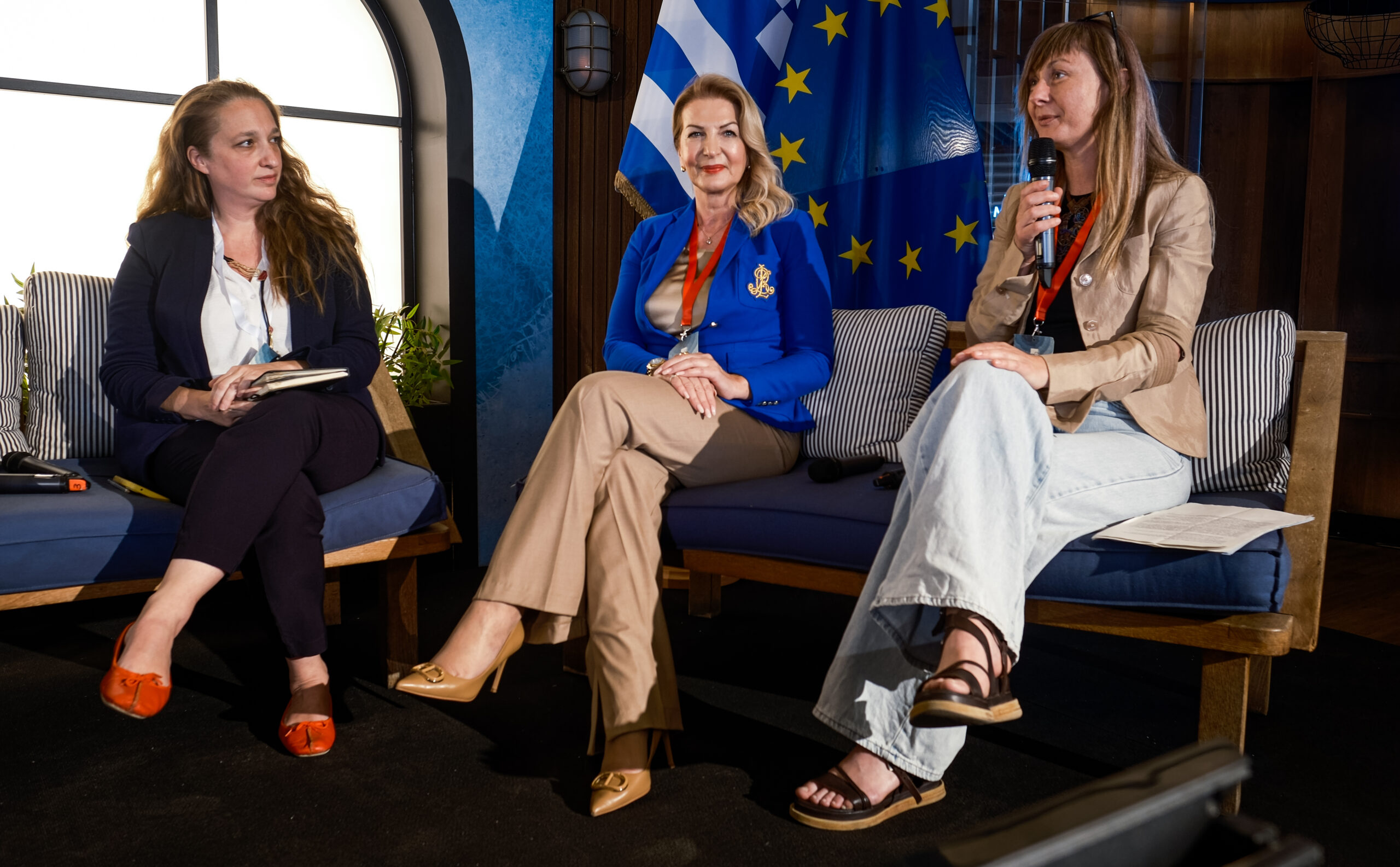
The discussion demonstrated how research, innovation and cooperation can support Mediterranean regions in addressing cascading climate impacts and developing forward-looking strategies for adaptation and resilience.
From Innovation to Replication: Scaling Solutions Across the Mediterranean
The Forum also showcased one of the most successful collaborative mechanisms developed within the ISE Mission: the Mentoring and Twinning Programme, coordinated by MIO-ECSDE.
During a dedicated session of the Community of Practice, Haris Paliogiannis, Senior Policy and Programme Officer at MIO-ECSDE, brought together current and new solution-givers and solution-takers from across the Mediterranean to share their experiences of transferring innovative practices and solutions between territories.
The tandems were the following:
- Georges Youssef, CEO, Agrocedrus & Vasileios Siomadis, Preveza Chamber, OliveOilMedNet Project
- Tomaso Fortibuoni, Researcher, ISPRA & Chrysa Efstratiou, HCMR, BLUE ECOSYSTEM Project
- Olga Batran, Director, B-Hub of Birzeit University & Fabiana Pirola, University of Bergamo, GREENSMARTMED Project
- Konstantinos Papadakis, Co-founder, AgroID & Evdokia Balamou, Anetel, REVIVE Project
- Marion Kussmann, Chief Operations Officer, Confederation of Egyptian European Business Associations & Chrysovalantis Ketikidis, CERTH, VERDEinMED Project
- Béchir Béjaoui, Professor, National Institute of Marine Sciences and Technologies of Tunisia (online) & Ana Rotter, National Institute of Biology, 2B-BLUE Project
The session also included a presentation by Najla Abdellatif Vallander, Founder & Creator, Zero Waste Palestine, a new participant to the programme, who shared her experience of finding a match within current ISE Mission TPs to start a collaboration.
Overall, the session demonstrated how knowledge transfer can move beyond project boundaries and generate tangible impacts in diverse local contexts. Examples ranged from circular economy initiatives and sustainable agriculture to blue economy and innovation ecosystems, highlighting how successful practices developed within Interreg Euro-MED projects are being adapted and replicated throughout the region.
Importantly, the programme is increasingly extending its reach beyond the direct beneficiaries of the Interreg Euro-MED Programme, enabling organisations and communities from across the Mediterranean to benefit from tested solutions, expertise and collaborative networks. As highlighted during the discussions, the human dimension of cooperation remains a key ingredient for successful transfer and long-term impact.
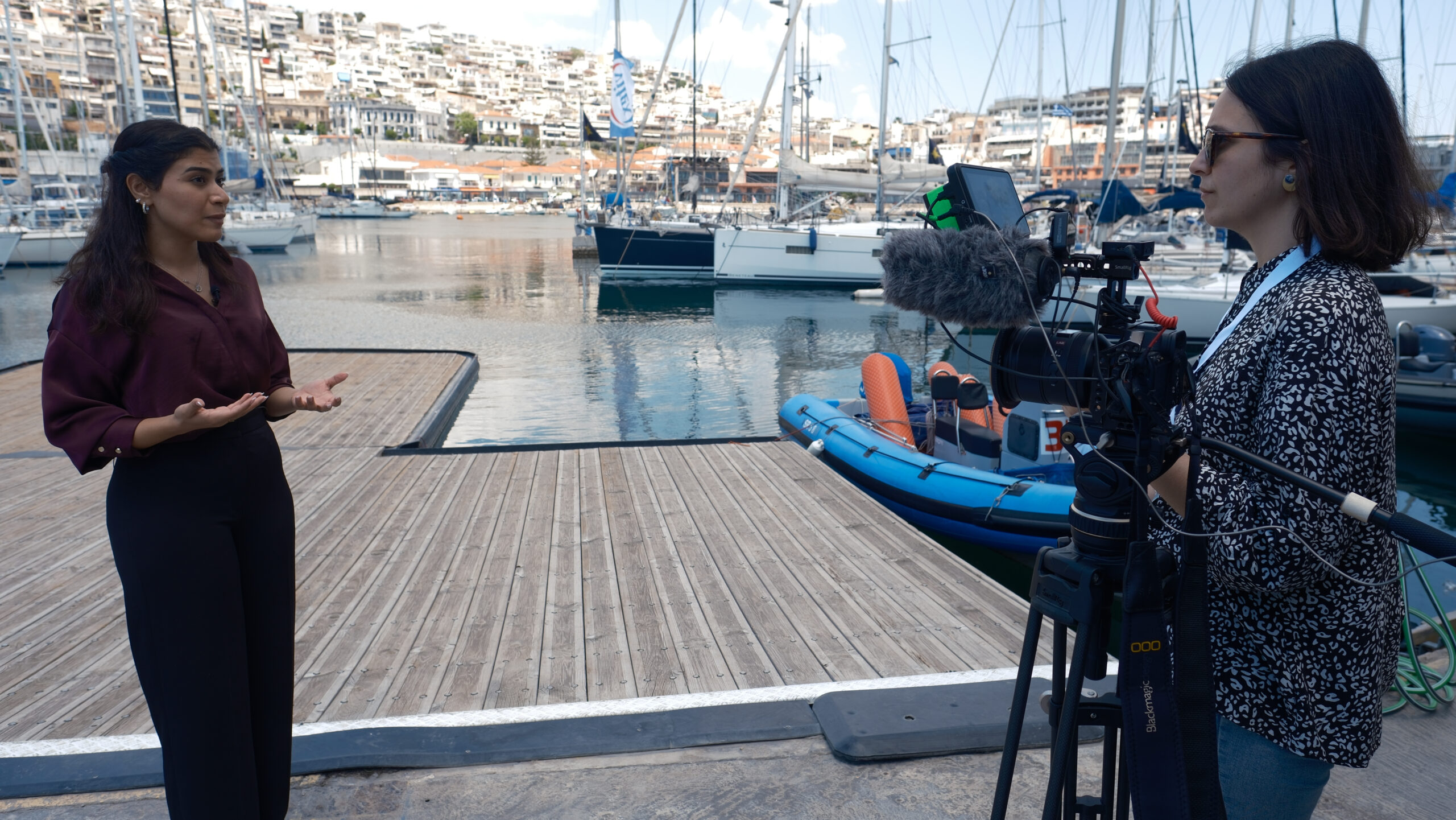
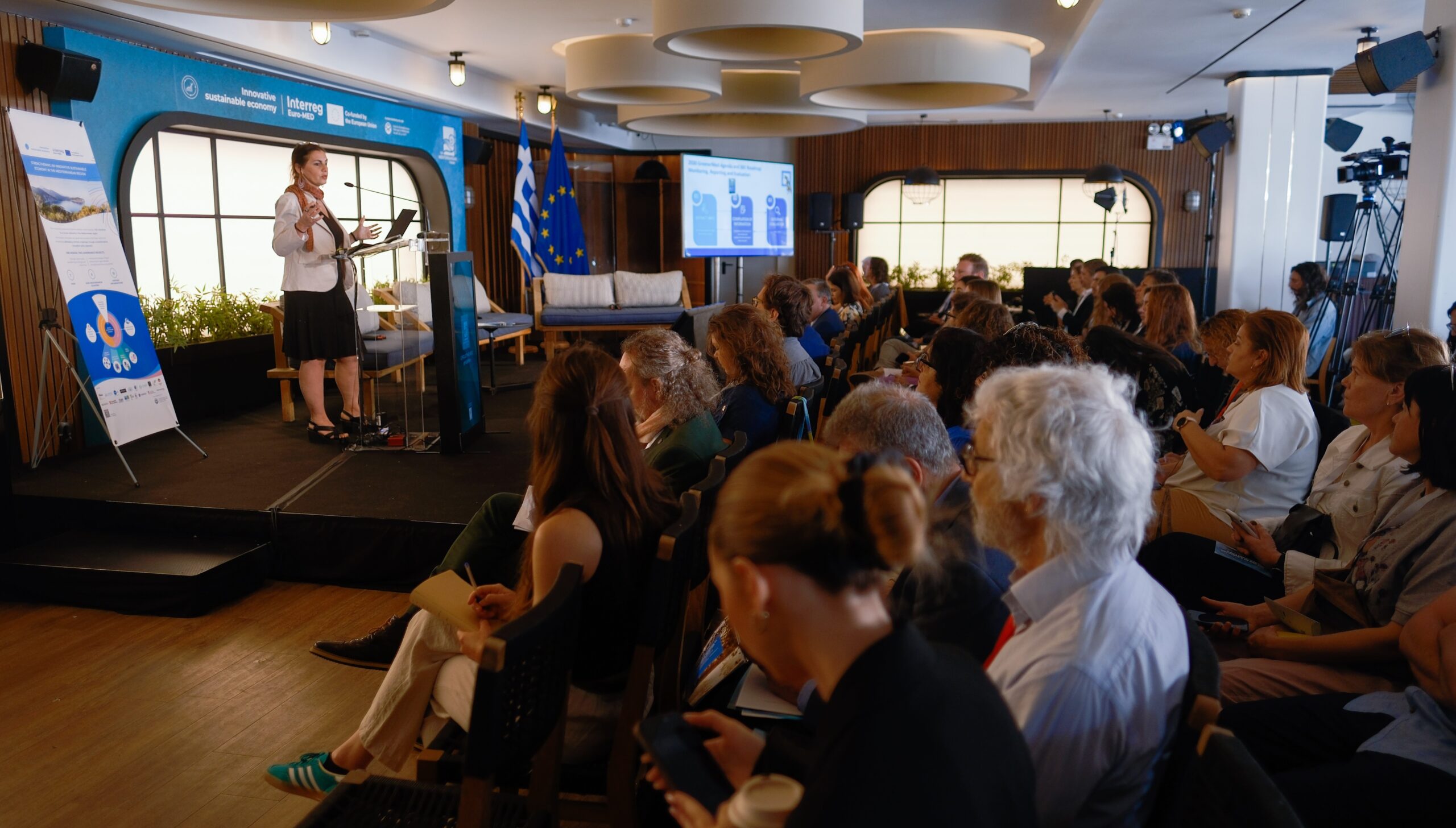
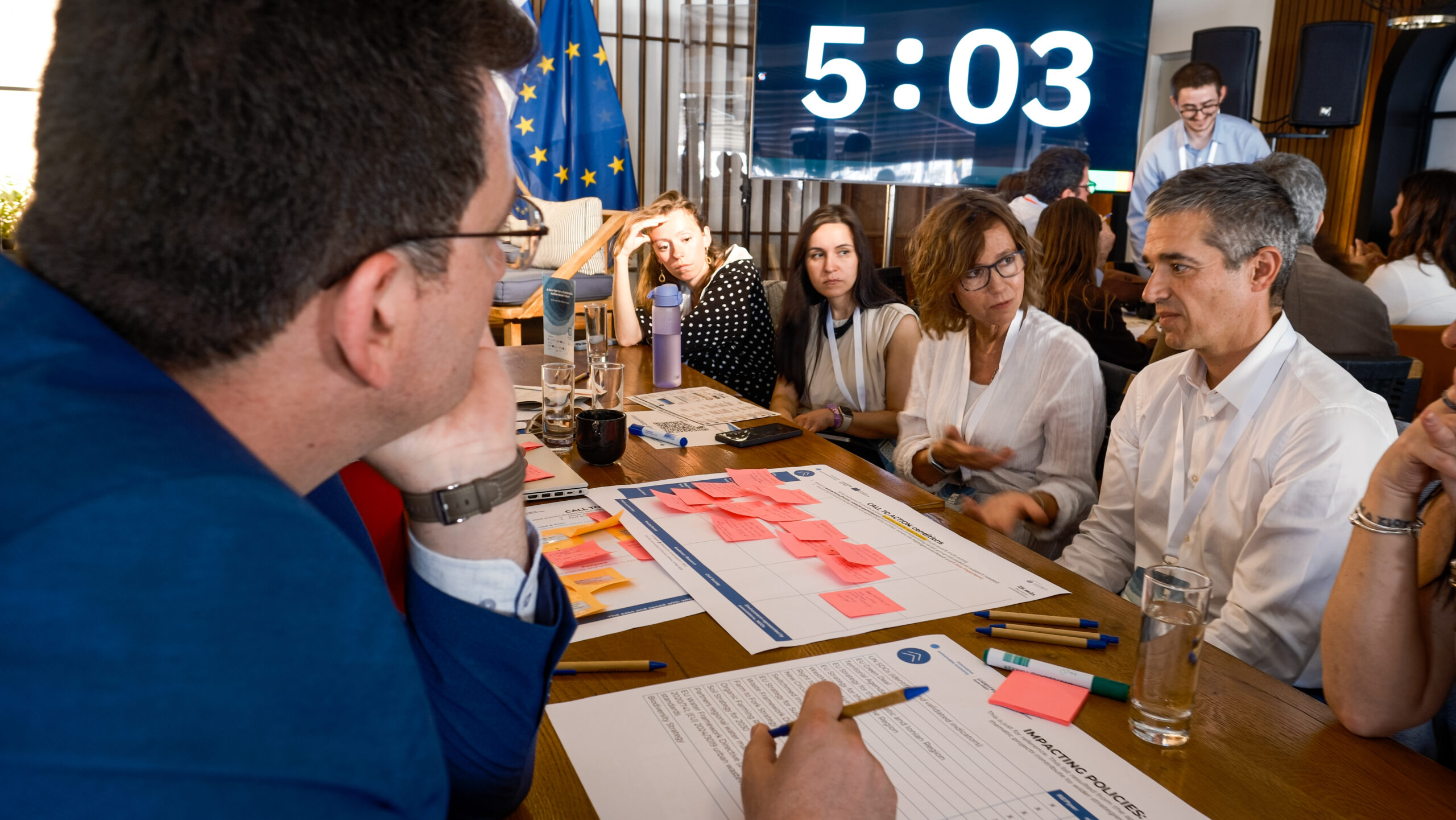
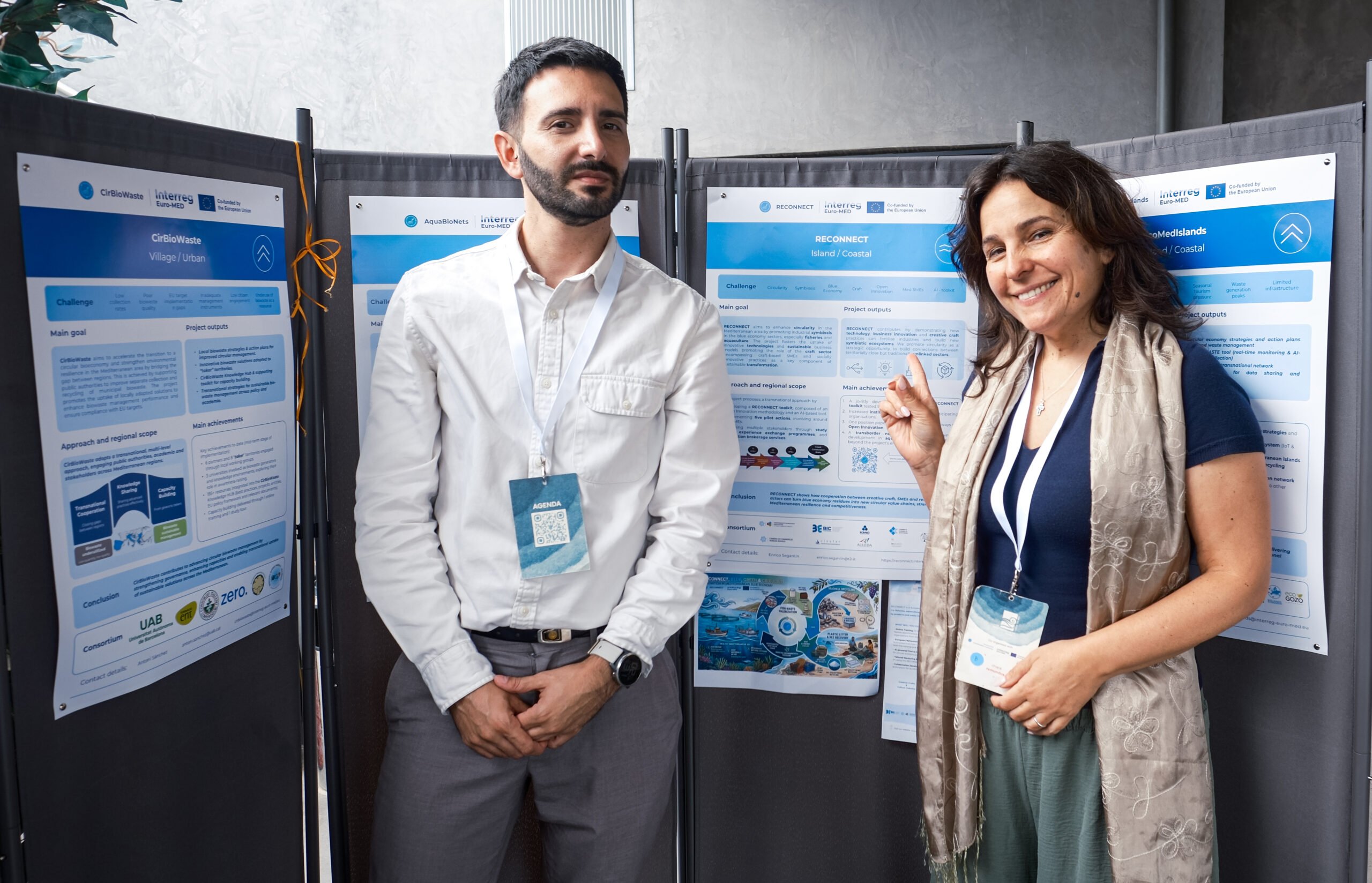
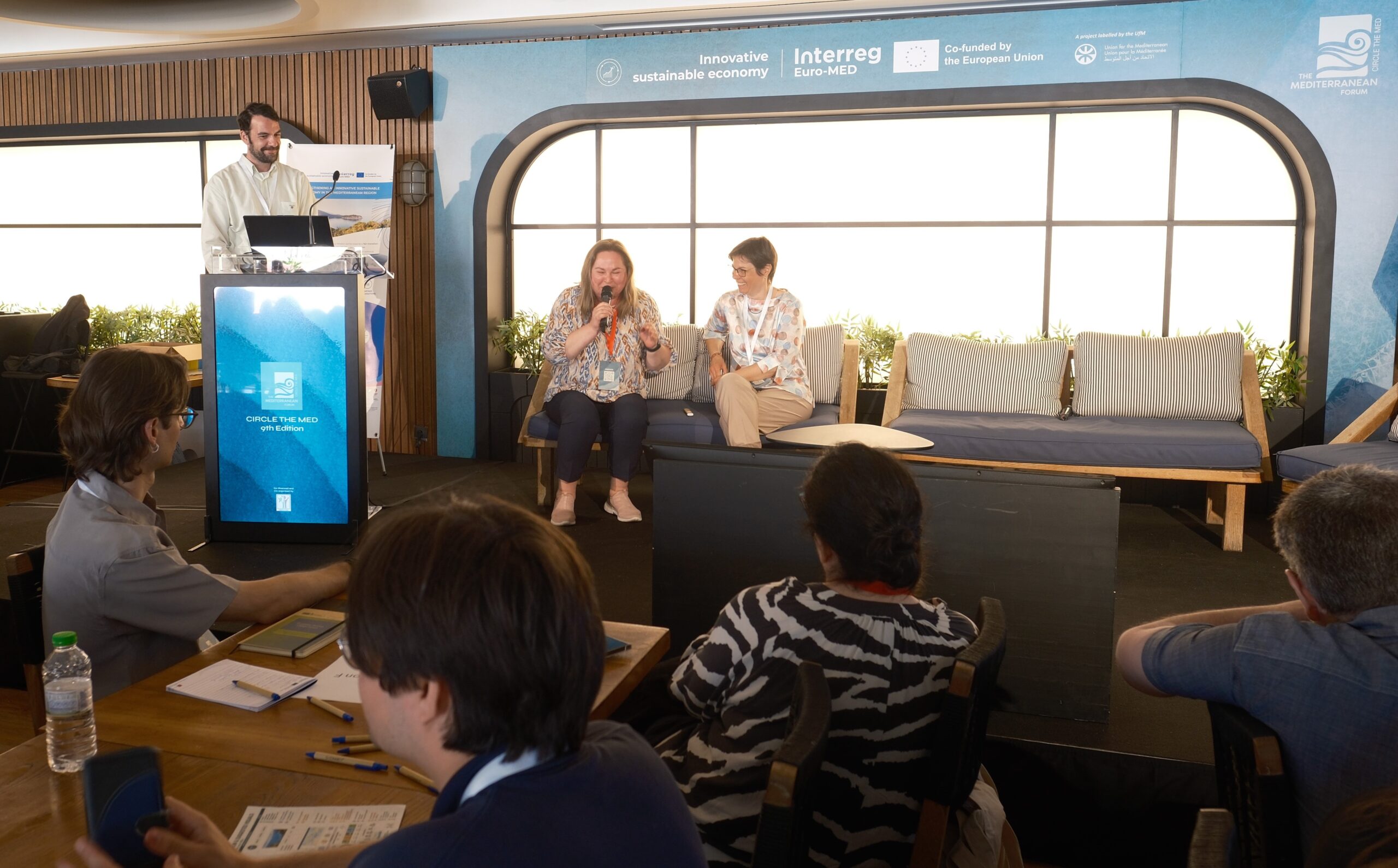
Photos by Emin Yiğit Koyuncuoğlu, REVOLVE.
Building a Mediterranean Community of Action
The Forum further reinforced the growing role of the ISE Mission as a platform for collaboration among its 23 Thematic Projects and governance partners. Through thematic working groups, peer-learning sessions, policy discussions and the Marketplace Village, participants exchanged ideas, identified opportunities for collaboration and contributed to shaping common strategic priorities for the future.
Special recognition was given to the continuous support of the Union for the Mediterranean (UfM) and particularly to Alessandra Sensi, Head of Sector Environment, Green and Blue Economy at the UfM Secretariat, whose contribution has been instrumental in strengthening synergies between Mediterranean stakeholders and advancing the objectives of the ISE Mission.
Beyond the formal sessions, participants had the opportunity to continue exchanges through networking activities and cultural events hosted in Athens, further strengthening the Mediterranean community that has emerged around the Mission.
As co-organiser of the Forum, MIO-ECSDE was proud to contribute to bringing together more than 200 Mediterranean stakeholders committed to accelerating the transition towards sustainable, resilient and inclusive societies. The discussions, partnerships and initiatives showcased during the three days reaffirmed a shared conviction: addressing the Mediterranean’s challenges requires a renewed pact based on cooperation, innovation, solidarity and collective action.
View the highlights of the event below.
Read in French here.