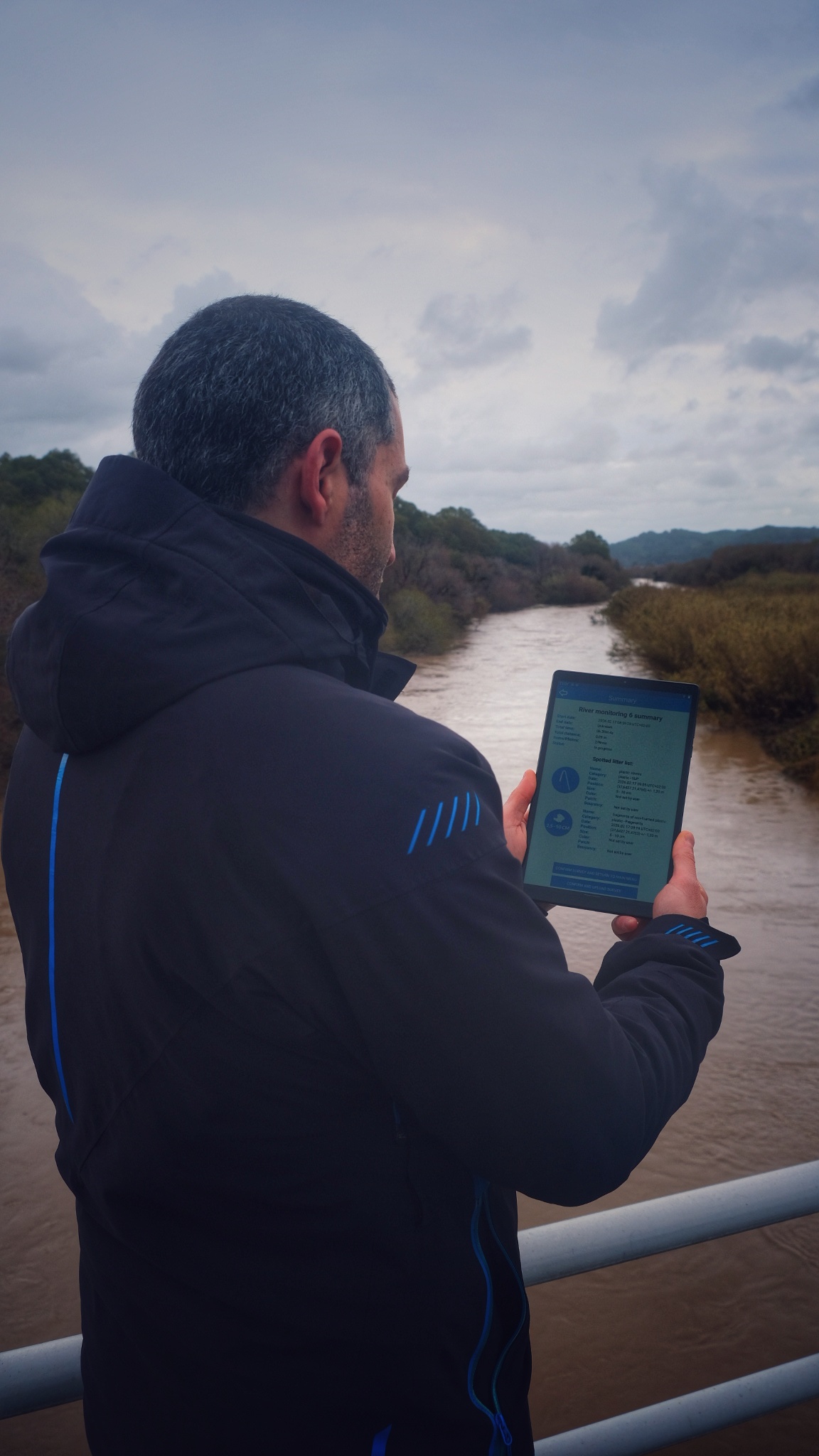
From 16 to 19 February 2026, the TETHYS4ADRION project carried out a 3-day field mission along the Alfeios River, the Peloponnese’s longest river and one of the project’s five pilot sites. Conducted by project partners HCMR and MIO-ECSDE, the visit aimed to monitor riverine litter and engage stakeholders in co-defining solutions based on ongoing research.
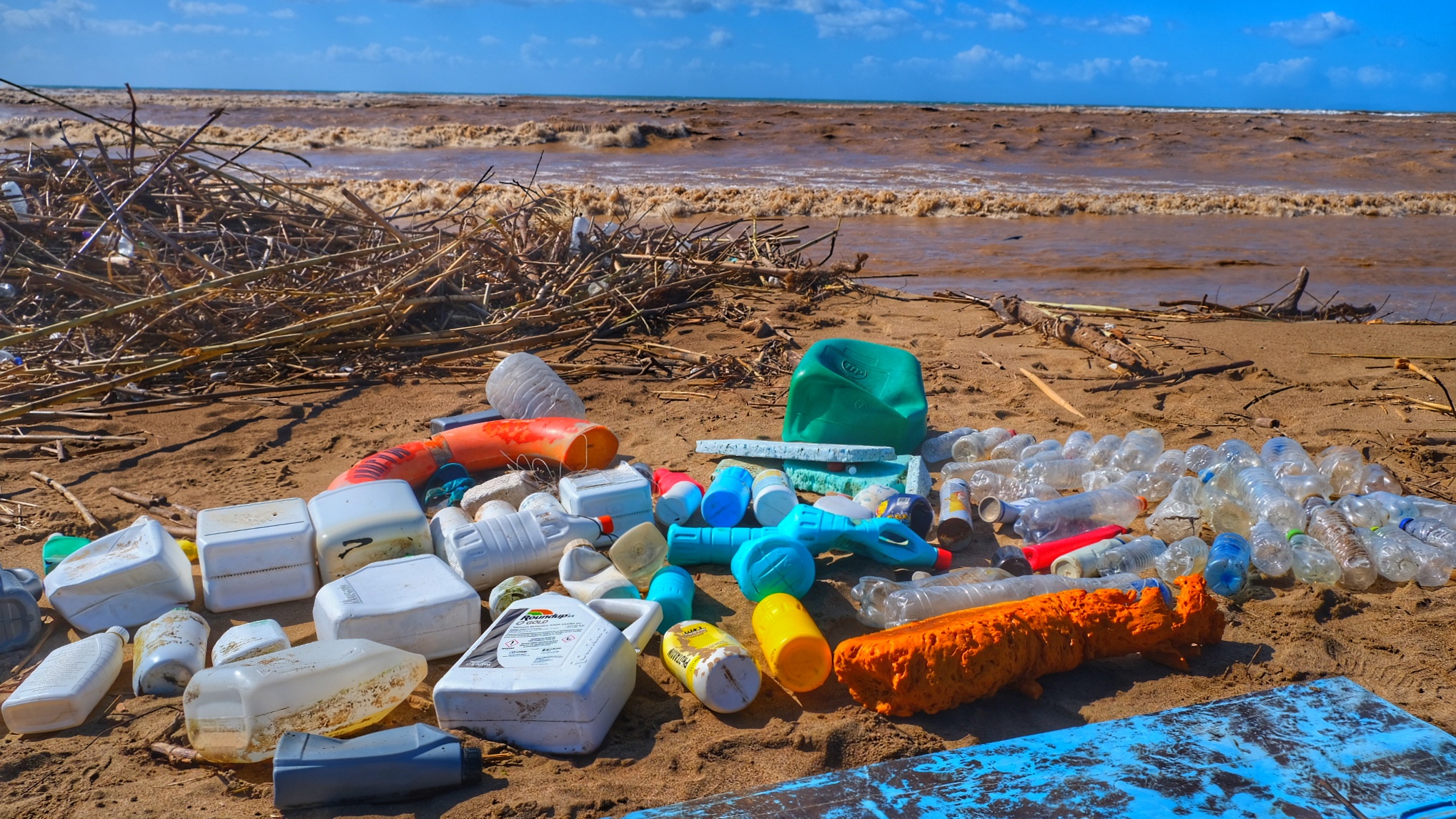
Photo: T. Vlachogianni
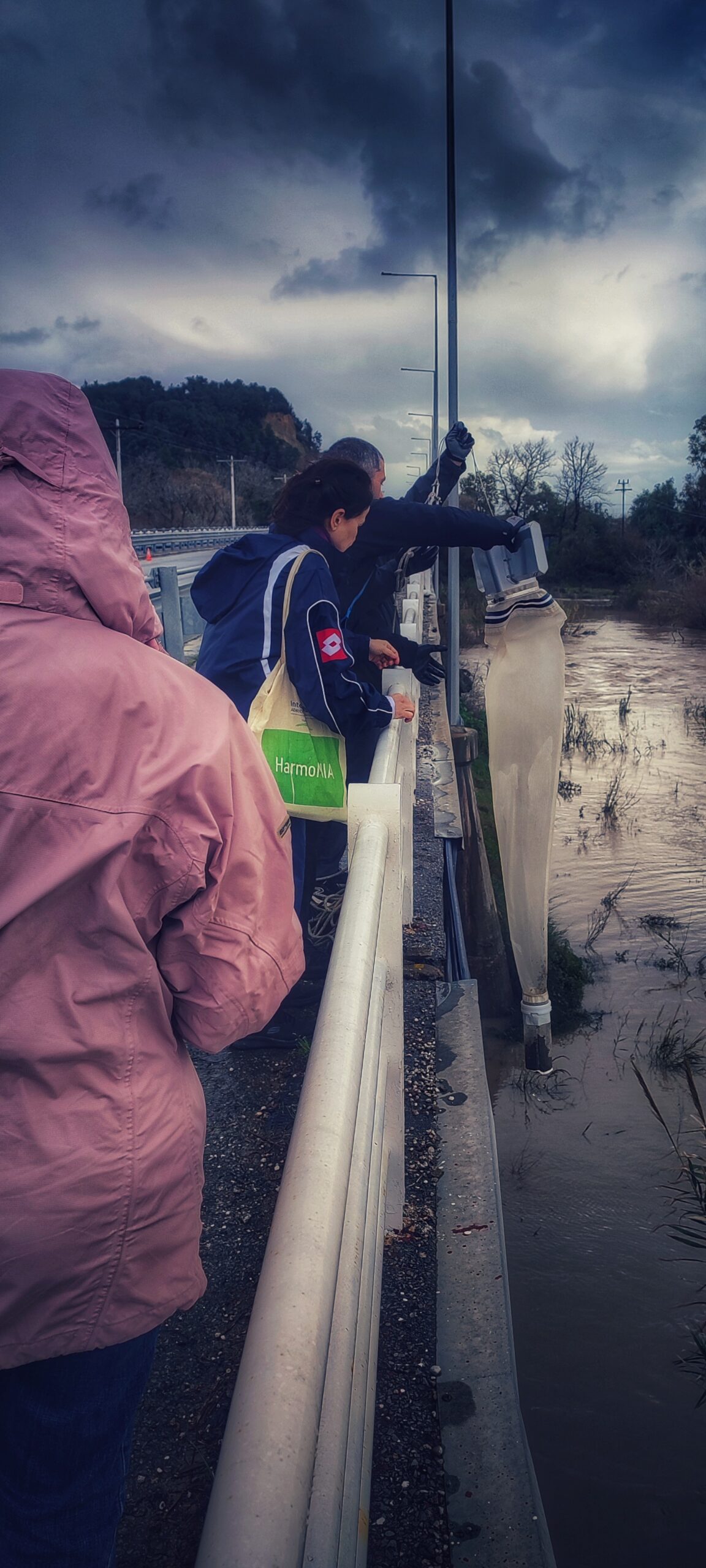
The field mission combined floating macrolitter surveys and floating microlitter sampling with drone surveys to identify areas affected by plastic pollution and measure surface flow velocity through LSPIV techniques. Parts of the Alfeios River experienced extreme flooding during the mission, with water depths reaching up to 4 meters due to recent storms in Western Greece. Data from HCMR’s automatic monitoring stations recorded rapid and pronounced rises in river levels along its length. As a result, some planned macrolitter, mesolitter, and microlitter surveys on riverbanks were postponed. Based on the first-ever floating macrolitter surveys conducted in the river, the flux of litter was calculated at 96 items/hours. The composition of the litter aligned with preliminary results observed last year along the riverbanks and outflow, consisting primarily of plastic fragments, drink bottles, cups, and lids.
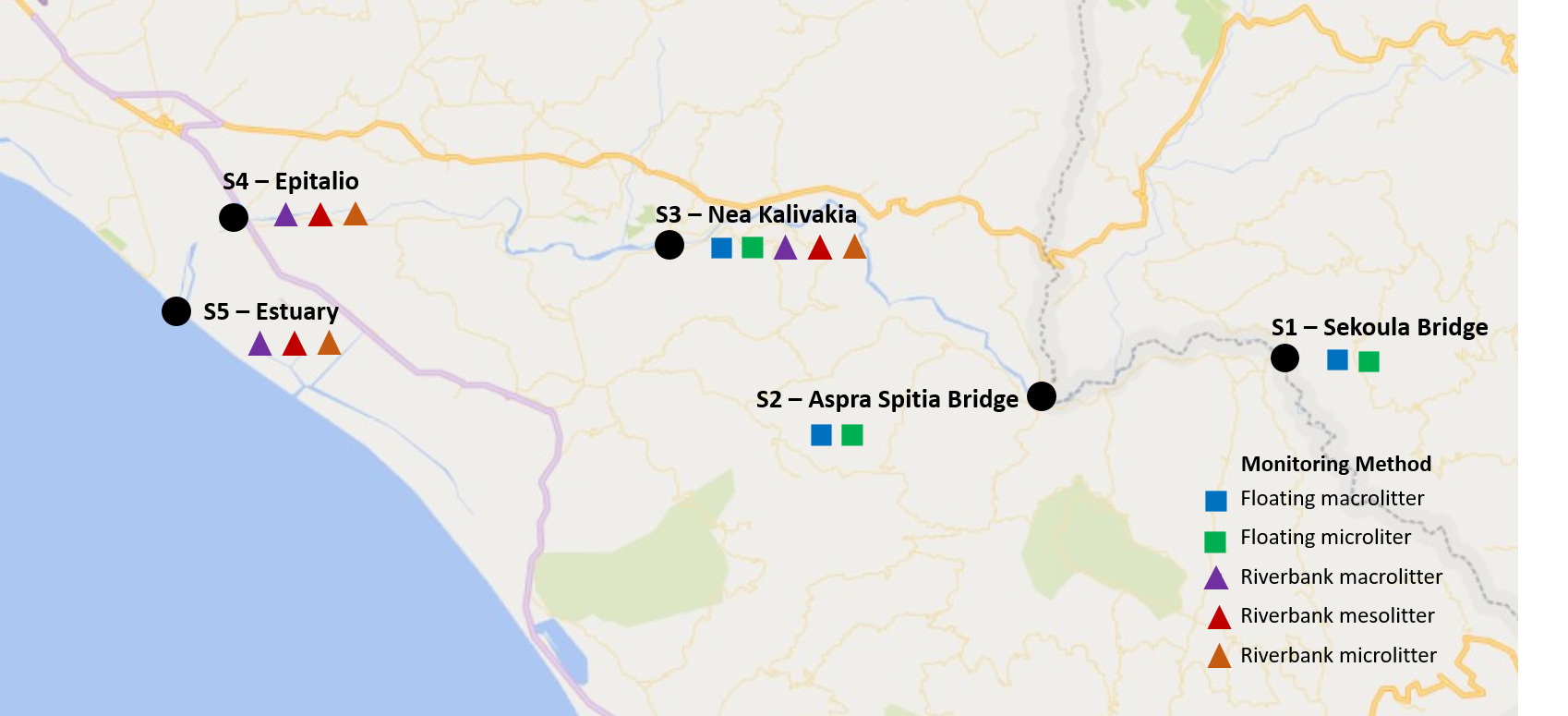
Map with the sampling locations
A stakeholder event was held back-to-back with the field mission to present findings and facilitate interactive discussions on actionable solutions. Co-organized with the Municipality of Pyrgos and hosted at the city town hall, the event brought together some 20 participants from local authorities, community groups, ESD educators and citizens all contributing their insights and experiences to shape the project’s next steps. Using a scoring matrix technique, participants compared potential solutions addressing the main sources of riverine litter—including mismanaged urban and agricultural waste, and illegal dumping of construction, demolition, and renovation waste. Considering criteria such as feasibility, effectiveness, and social acceptance, participants and the project research team concluded that the TETHYS4ADRION pilot measure to be setup within 2026 should focus on the sustainable management of agricultural plastic waste.

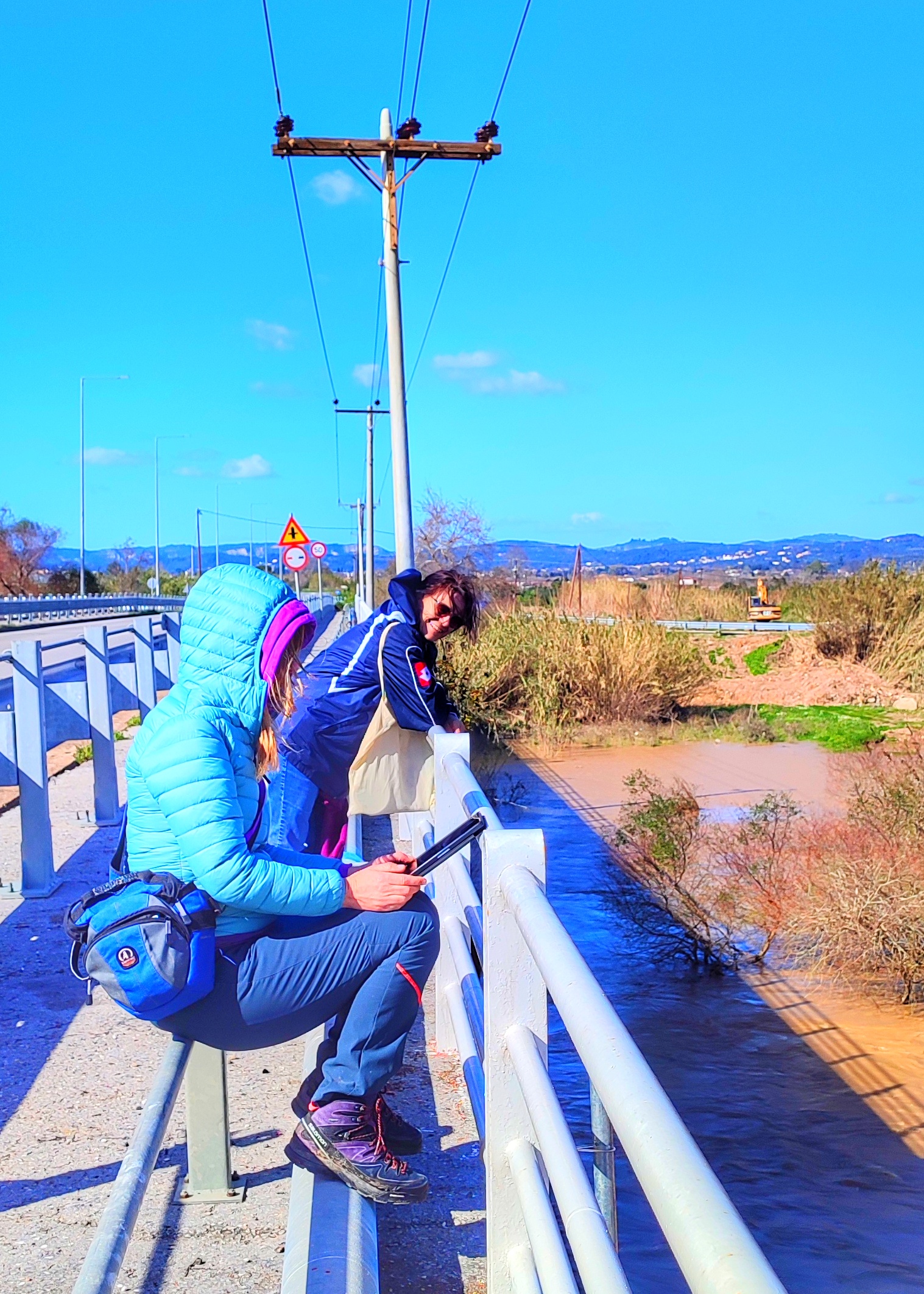
Photos: T. Vlachogianni
This field mission and stakeholder engagement mark a significant step forward for TETHYS4ADRION in translating research into action. By combining rigorous monitoring with collaborative decision-making, the project is building locally relevant, practical solutions that can be implemented along the Alfeios River and other pilot sites, paving the way for long-term reduction of riverine plastic pollution in the Adriatic-Ionian region.
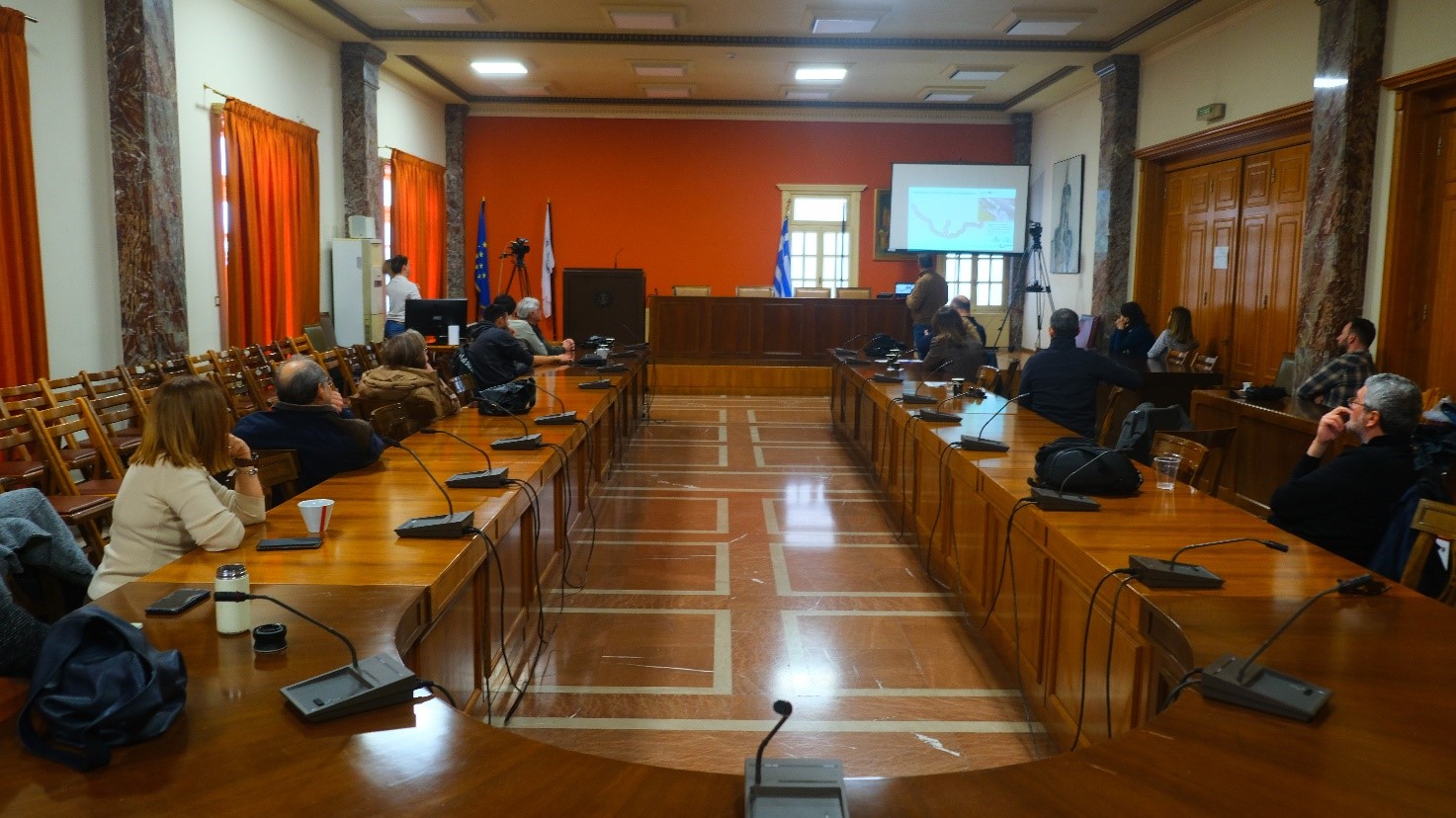
Read this in French here