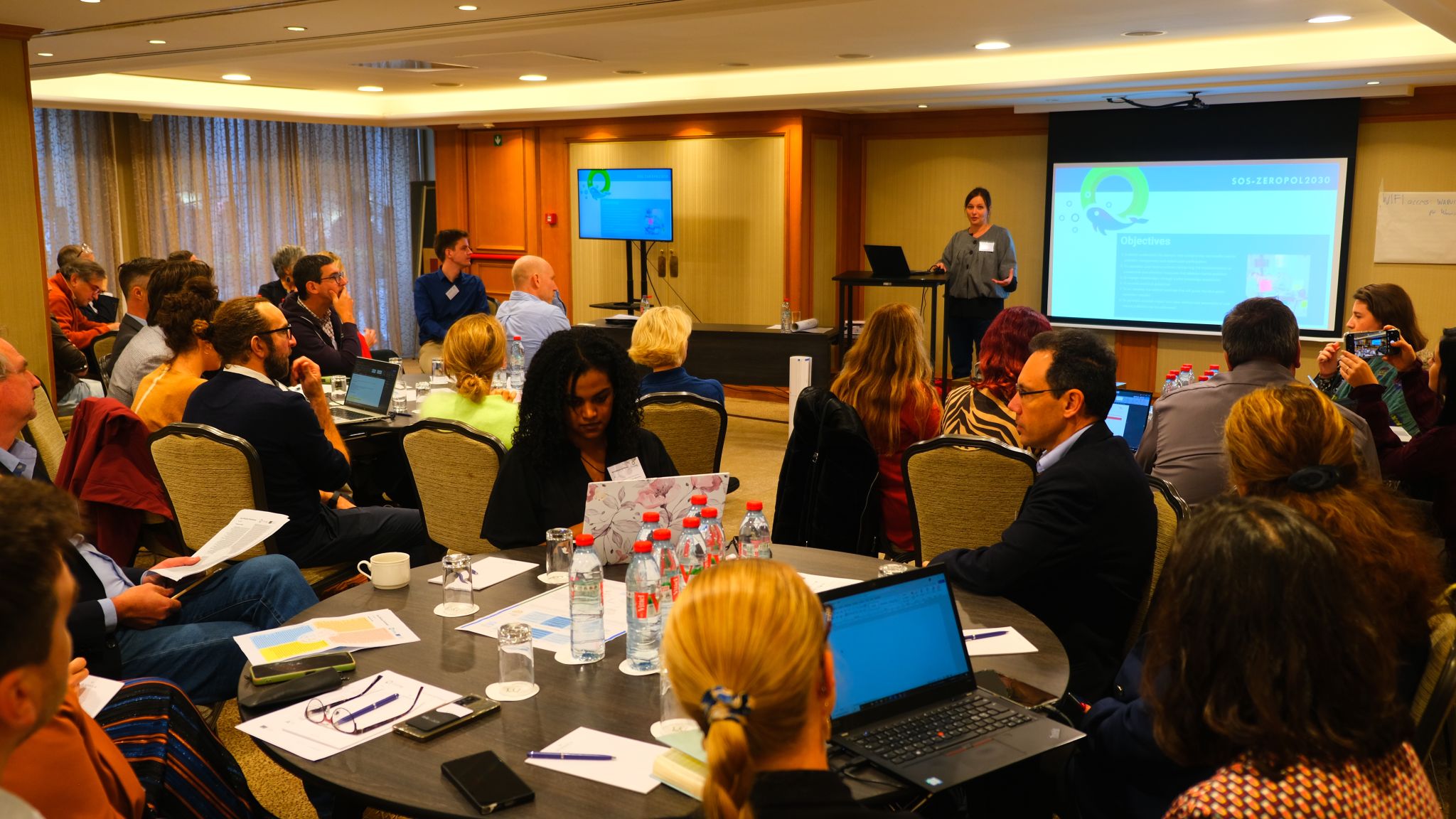
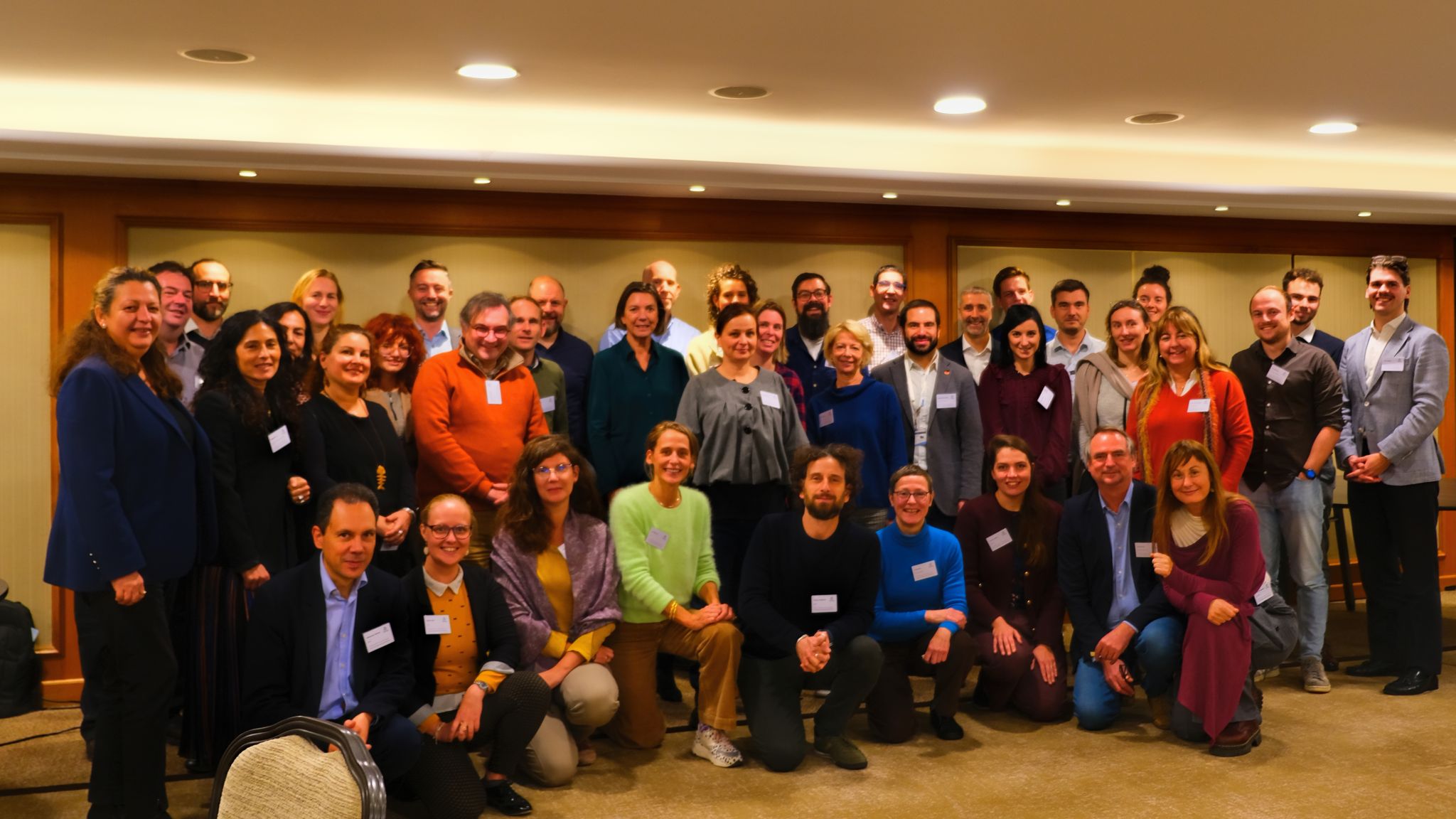
Fifty stakeholders from across all European Regional Seas convened in Brussels for the Zero Pollution Parliament, sending a clear signal: business-as-usual is no longer an option.
Two Futures, One Choice
The discussions contrasted two possible pathways for marine pollution governance:
- Reactive: Waiting for crises to unfold.
- Proactive: Shared responsibility between public authorities and private actors.
“The difference is simple,” said Thomais Vlachogianni, Mediterranean Regional Lead of the SOS-ZEROPOL2030 project and Head of Science, Research & Policy at MIO-ECSDE, “Do we lead, or do we follow?”
Clear Objectives, Measurable Targets, Concrete Actions
Over the course of the two-day Living Lab on 17–18 November, participants focused on the SOS-ZEROPOL2030 priority pollutants: nutrients, hazardous substances, microplastics, and underwater noise. The aim: turn EU Zero Pollution Action Plan ambitions into actionable outcomes aligned with the European Green Deal and the European Ocean Pact.
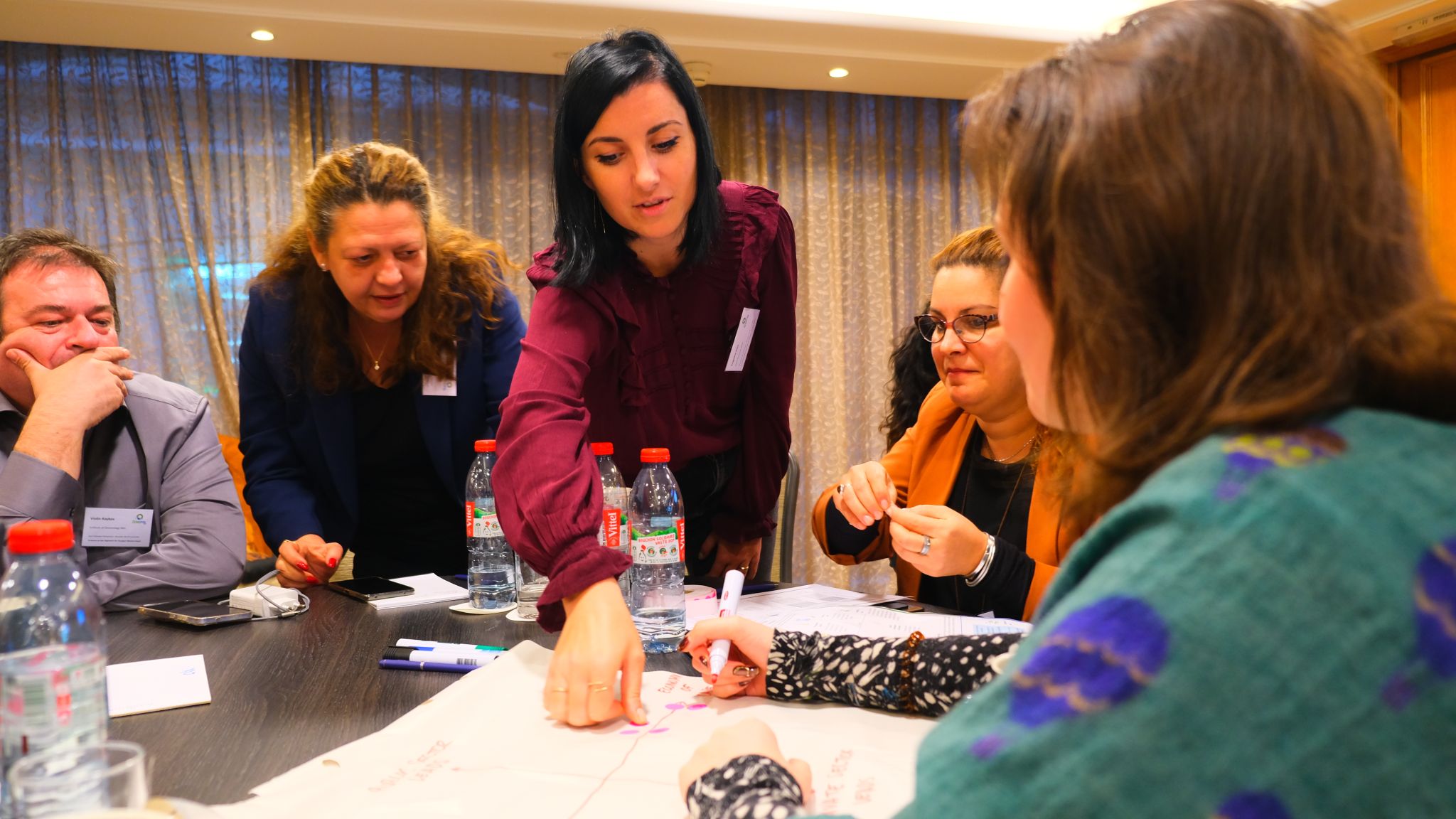
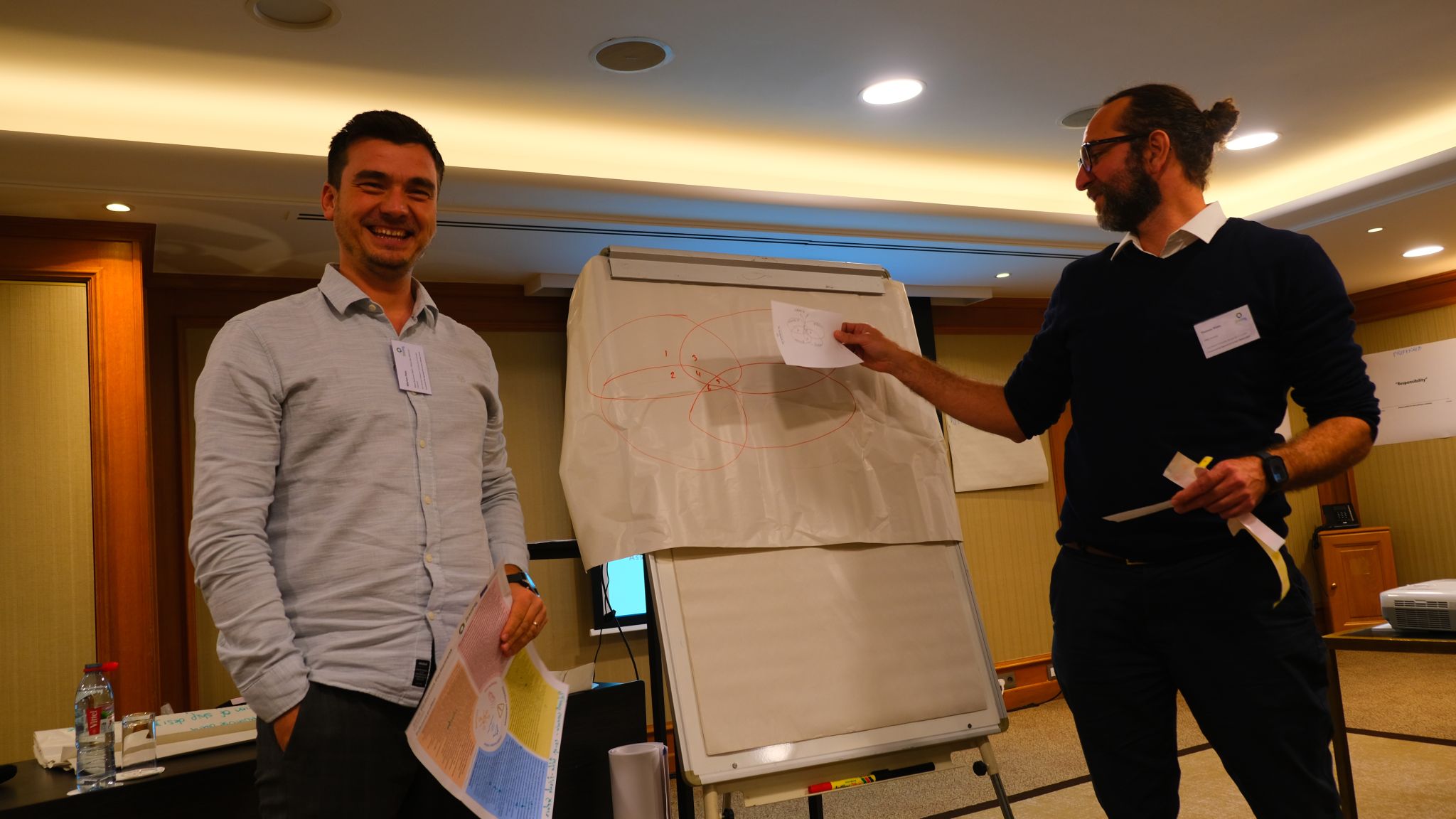
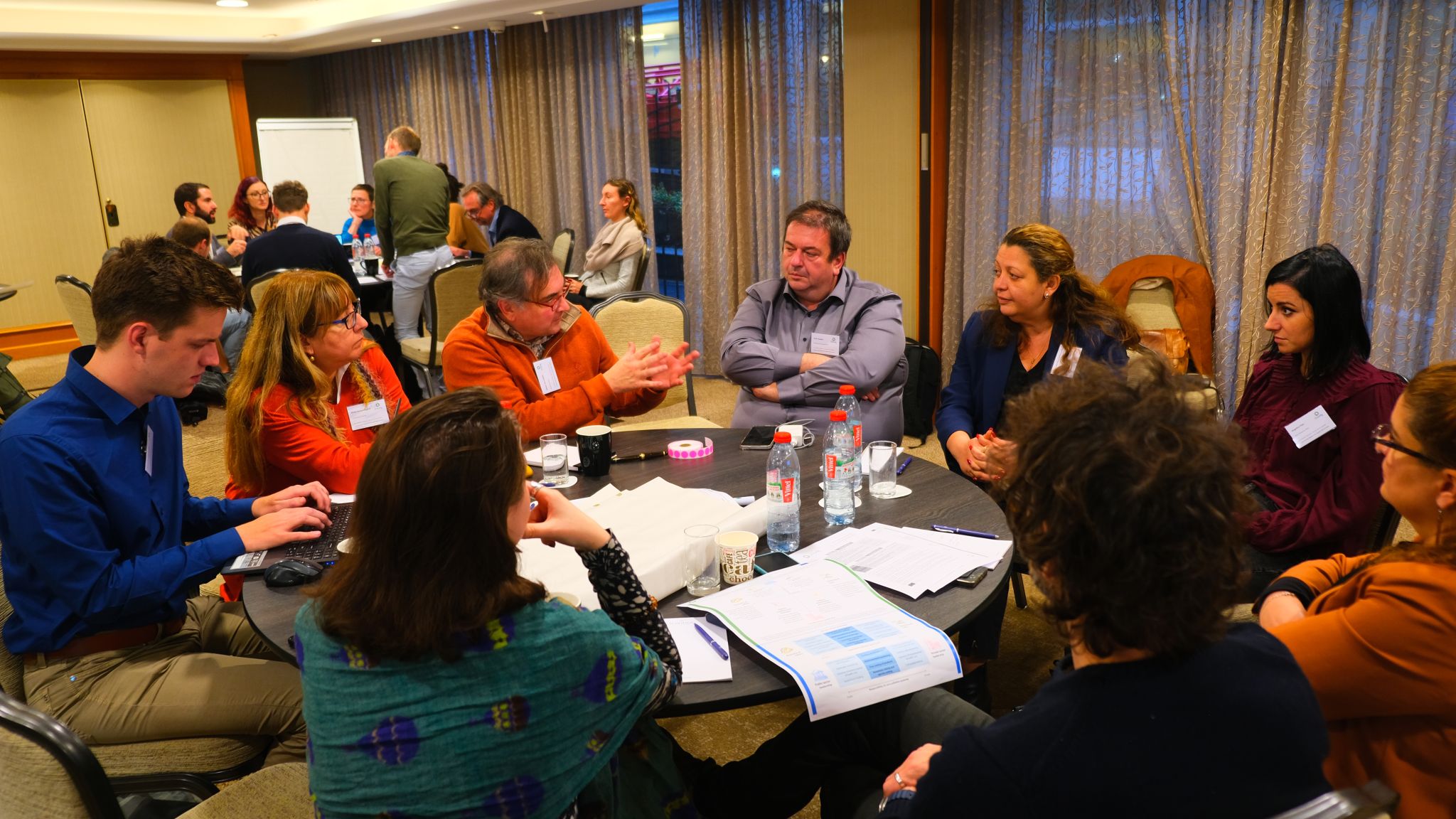
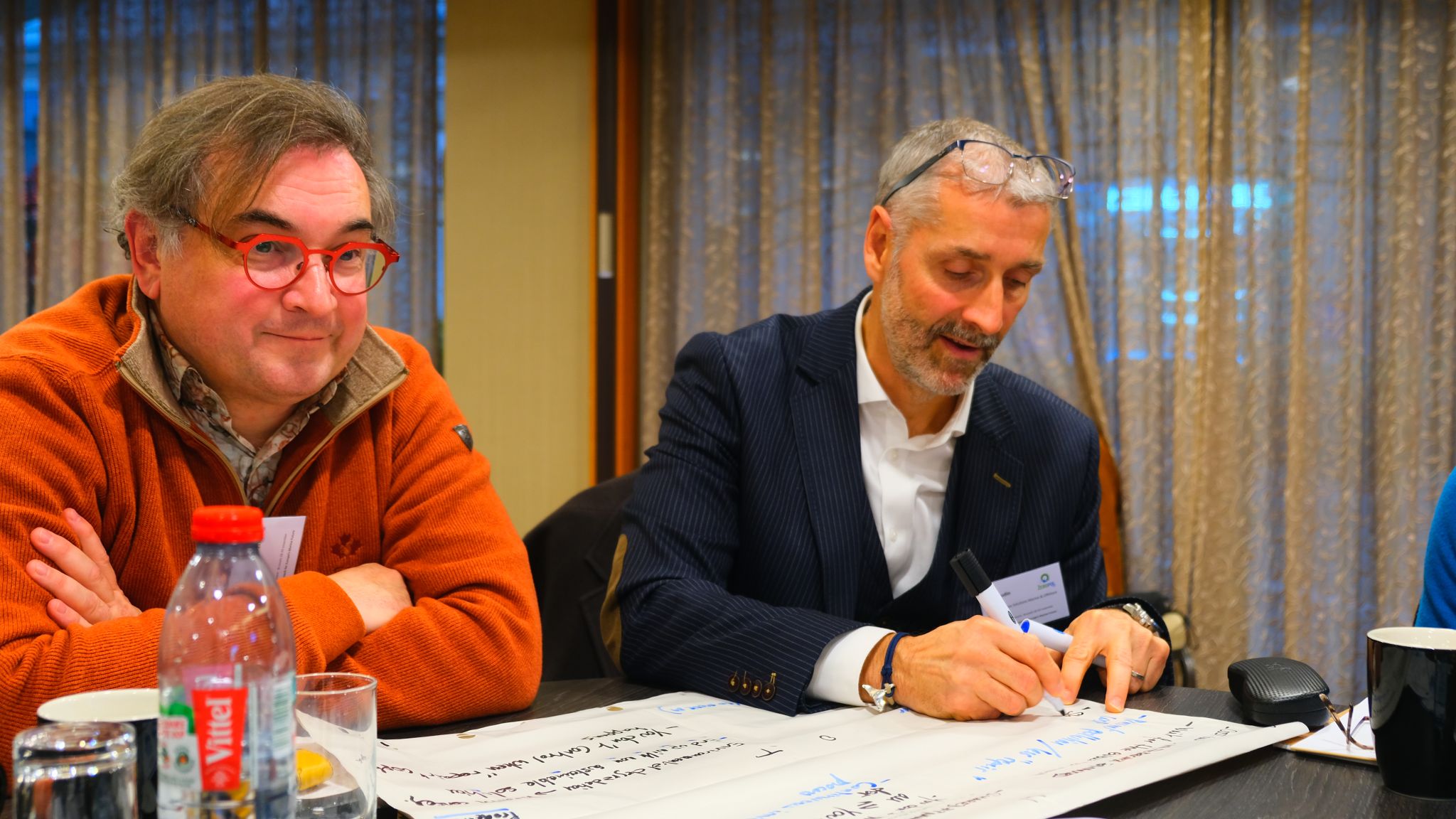
Interactive sessions enabled stakeholders to:
- Explore priorities, trade-offs, and timelines for a source-to-sea approach.
- Assess strengths, weaknesses, opportunities, and threats of reactive vs. proactive and public-led vs private-led strategies,
- Build their preferred future for zero marine pollution governance.
Private Sector Responsibilities Take Center Stage
While risk-based approaches currently dominate, participants agreed that a proactive, source-to-sea strategy should include stronger emphasis on private sector accountability.
Delivering Change
Participants developed concrete recommendations to operationalize proactive measures. These will feed into the SOS-ZEROPOL2030 Source-to-Sea Zero Marine Pollution Framework, Roadmap, and Guidelines, ensuring Europe moves from discussion to action.
A Future Where European Seas Can Thrive
“The energy, insight, and commitment of participants show that proactive governance is not just possible—it’s inevitable” noted Thomais. She went on to explain that “The path ahead is anything but straightforward. Navigating competing priorities, aligning diverse interests, overcoming entrenched environmental governance gaps, and tackling the sheer complexity of marine pollution along the entire source-to-sea continuum are challenges that cannot be underestimated.”
Note to the editor
The Zero Pollution Parliament was organized as part of the Source to Seas Zero Pollution 2030 (SOS ZEROPOL2030) project. The overall aim of the Horizon Europe project is to co-design, co-produce, and co-deliver a stakeholder-led European Seas zero pollution framework that provides practical guidance from ‘source to sea’ on how to address shortcomings in existing marine pollution management and governance approaches. This holistic approach is based on best practice, places emphasis on human behaviour, socioeconomics, and governance, and is underpinned by knowledge about and understanding of current barriers to effective and efficient prevention, reduction, mitigation and monitoring of marine pollution in European Seas. MIO-ECSDE is key partner of the project leading the ‘Zero Pollution Accelerator’ related work package.
Read this in French here